Business Nov 19, 2026
Starbucks reports record inventory availability as daily deliveries strengthen its supply chain
The coffeehouse group is accelerating its replenishment strategy through more frequent deliveries and a 24-hour operating model, with the objective of improving product availability, forecasting accuracy and supply chain reliability across its North American stores.
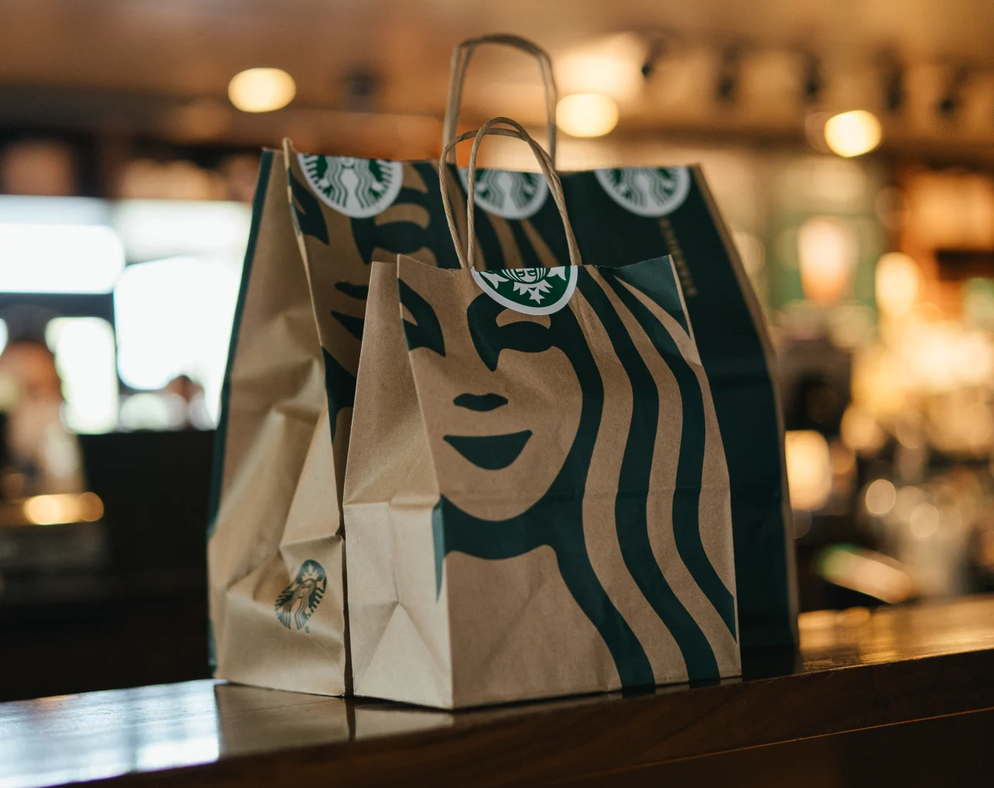
Starbucks is making great progress in overhauling its supply chain. Daily deliveries are a key part of Starbucks’ strategy to improve inventory management and to ensure that products are available when customers are looking for them. Yum Brands CEO Brian Niccol said on the company’s Q4 earnings call that the group was on track to hit its replenishment targets in the next six to 12 months.
The initiative is based on an operating model that Starbucks began testing earlier in 2026. The strategy involves increasing the frequency of inbound deliveries and enabling stores to replenish stock within a 24-hour period. This should shorten replenishment cycles, allowing the company to respond better to demand and maintain more consistent product availability.”
Niccol noted that tying daily deliveries to timely replenishment signals is critical, and being able to receive goods and respond to inventory requirements within 24 hours would give Starbucks a major advantage. This would let stores keep the right amount of stock on hand and let workers serve customers more reliably.
The transformation of the supply chain follows the company’s identification of frequent shortages of products as a challenge. Starbucks has had a lot of stock-outs, and the company has been looking at several ways to improve visibility and availability of inventory, Niccol said in an investor presentation earlier this year.
One initiative was deploying artificial intelligence and computer vision technology to track inventory levels. But the pilot was stopped after about nine months because of employee concerns about the reliability of the system. Next, Starbucks concentrated on developing a more standardised inventory management process to enhance consistency throughout its operations.
The company is now engaged in a broader transformation that addresses demand forecasting, ordering accuracy and replenishment efficiency. Niccol says they're already testing to strengthen these areas. As the initiatives expand, Starbucks anticipates being able to increase product availability, cut waste and limit the extra workload that gets put on employees.
The results are now visible. Niccol said inventory availability is at an all-time high and daily deliveries now reach nearly 90% of Starbucks’ company-operated coffeehouses in North America.
The CEO also expressed confidence that supply chain performance could be a key competitive advantage once the new replenishment schedules are fully in place. While the company is on track to meet its daily delivery goals, there remains room for improvement in replenishment planning.
For Starbucks the goal is more than just getting delivery to show up more often. The strategy is designed to provide a faster, more responsive and reliable supply chain which can align inventory levels to customer demand while enabling more efficient store operations.
END OF REPORT