




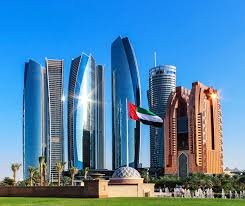
Speculations are escalating: a multi-billion logistics deal in Abu Dhabi is reportedly under increasingly intense discussion, to the point of creating a “wait-and-see market” atmosphere. In the Gulf, logistics has become a lever of economic power: ports, free zones, air hubs, rail, and digital integration form an ecosystem where a large-scale operation can quickly change the regional balance.
What makes the case particularly closely followed is the context: in recent months, there has already been an intensification of strategic movements — acquisitions, investments, partnerships — in maritime transport and the supply chain. The players are looking to secure dominant positions on key corridors, absorb capacities, and lock in customer access thru integrated services (transport + warehousing + digital solutions).
In Abu Dhabi, the stakes are as much economic as they are geopolitical: capturing flows, attracting industrialists, and strengthening the hub’s role in global supply chains. A massive “deal,” if confirmed, could accelerate consolidation and force competitors to react—either by forming alliances or repositioning their offerings.
For the international logistics community, the question is not just “who is buying whom,” but “which model will come out on top”: an ultra-integrated logistics system led by large groups, or a more open system where freight forwarders and partners retain more autonomy. One thing is certain: the Middle East is no longer just a transit point — it is becoming a decision-making center.