World Nov 4, 2026
Trump’s economic policies deliver growth but fall short on jobs and trade
Strong GDP growth and rising domestic investment contrast with weaker hiring, persistent inflation and a widening goods trade deficit, according to Germany’s IW economic institute.
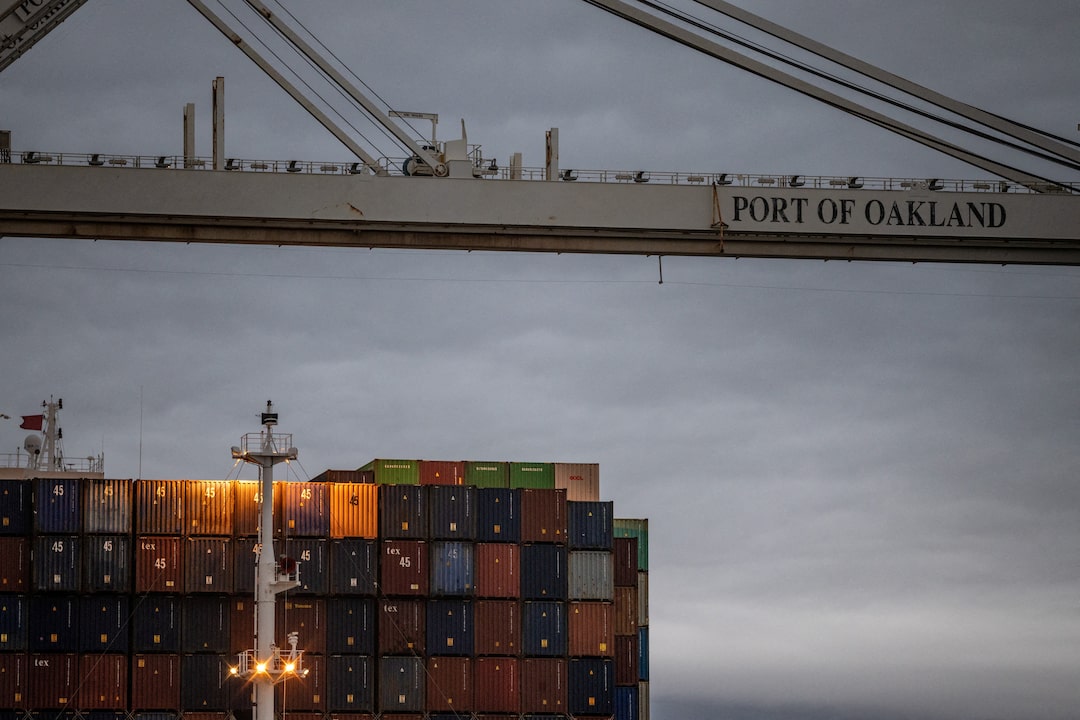
Some positive results have come out of Donald Trump’s economic agenda for a second term in the United States, particularly in terms of economic growth and domestic investment. But in a new assessment, the German Economic Institute (IW) found the administration has had trouble delivering on some of its big promises such as cutting the trade deficit, accelerating job creation and attracting more foreign direct investment.
The institute’s analysis of economic developments since January 2025 reveals a mixed picture. The U.S. gross domestic product continues to expand and domestic investment has increased substantially, but job growth has slowed and inflation remains well above the Federal Reserve’s 2% target.
"These trends point to weaknesses in the American growth model," the IW warned. It also pointed to rising affordability pressures on households, even as headline economic indicators were relatively strong.
Foreign investment misses expectations
One of the administration’s main goals has been to encourage companies to build in the U.S. by using tariffs on imports. But the latest figures show this approach has not delivered the expected results so far.
Foreign direct investment into the U.S. fell to $248 billion in 2025, down 8.2% from 2024. The IW also said the figure was 18% below the average recorded for the period 2015-2024.
The findings from the institute arrive as the country prepares for a deeply divisive midterm election on Tuesday. How far Trump has lived up to the economic promises that won him a second term in the White House in 2024 is outside evaluation.
The pledges included lowering the cost of living, reducing the U.S. trade deficit in goods, cutting taxes to help businesses and rebuilding the country’s manufacturing base with foreign investment.
Still, the monthly trade deficit in goods was $130 billion in August, above the level recorded for the same month last year.
Economic growth has not translated into stronger employment
The US economy expanded at a 3.4% pace in the third quarter, beating expectations. But the labor market gains have not been matched by aggregate economic output.
The IW said roughly 2.5 million jobs were created in the United States in 2023, which amounts to about 200,000 positions per month. Then employment growth slowed to about 2 million jobs in 2024, before falling to roughly 120,000 new jobs last year.
The institute said the slowdown was due to the Trump administration’s stricter immigration policies and a rise in retirements.
Other labor market indicators point to more pressure as well. Unemployment remained stuck between 4.1% and 4.3% through 2026, but the long-term unemployment rate rose to 27% in September, up from around 18% in 2023.
Labor force participation also fell from 62.6% in January 2025 to 61.8% in September 2026.
These numbers suggest the headline unemployment rate does not tell the whole story of the deterioration in some parts of the American jobs market.
Inflation continues to weigh on households
Affordability has been another big hole in the administration’s economic record.
The Federal Reserve’s target for inflation has been exceeded for over five years, and for several months prices have been rising faster than the incomes of households. This has increased consumer concerns about falling purchasing power.
The IW viewed rising energy costs, mostly linked to the US-Israeli war against Iran, as another factor contributing to inflationary pressure. Those developments have hit American households already struggling with significant wealth inequality, volatile bond markets and uncertainty about the possible effect of artificial intelligence on employment.
The latest income figures highlight the problem. The Bureau of Economic Analysis said personal income rose just 0.2% in September, not enough to keep up with inflation.
This meant that real disposable income declined by 0.3% in the month. The personal saving rate also fell to 3.8%, its lowest since October 2022.
These developments illustrate the disconnect between national-level economic growth and the financial situation of many households.
Trump and White House defend economic record
Trump has continued to tout the strength of the American economy heading into the midterm elections despite criticism over jobs, inflation and trade.
In a statement posted on Truth Social after a Thursday report from the Bureau of Economic Analysis, the president called the U.S. economy “booming.”
He highlighted solid consumer spending and business investment, with investment in new equipment jumping 21%. This shows record numbers of factories and businesses being built and expanded across the country,” Trump said.
The White House has sung that same song, portraying the administration’s economic policies as a series of wins for American households and businesses.
In a statement Thursday the administration said Trump delivered big tax cuts for working families, the biggest drop in prescription drug prices in nearly 70 years, record high real median household income and more than a million private sector jobs.
Trillions in investment commitments. The resurgence of American manufacturing. The lowest poverty ever recorded.
But the IW’s assessment suggests that these achievements have not overcome a number of structural challenges facing the economy.
Affordability is the big issue ahead of midterms
Democrats have put more and more of their election campaigns on the cost of living, saying that households are still struggling financially, even as the administration claims economic progress.
Housing, food and healthcare costs have become hot topics in the political debate.
“Families across the country are struggling with higher costs for everyday expenses,” said Democratic Washington Rep. Suzan DelBene, chair of the Democratic Congressional Campaign Committee, on Thursday.
She blamed policies put in place by the Trump administration and congressional Republicans for these difficulties, saying the focus should be on reducing the cost of living for households.
DelBene also cautioned that voters are getting exasperated with what they see as broken political promises. She predicted that affordability concerns would be a major theme in Tuesday's elections.
Ultimately, the IW’s findings underscore the tension between robust economic growth and the ongoing challenges for American businesses and consumers. Investment and GDP have shown positive signs but weaker hiring, stubborn inflation, disappointing foreign investment figures and an elevated trade deficit raise questions about the effectiveness and long-term sustainability of Trump’s economic strategy.
END OF REPORT