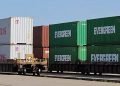




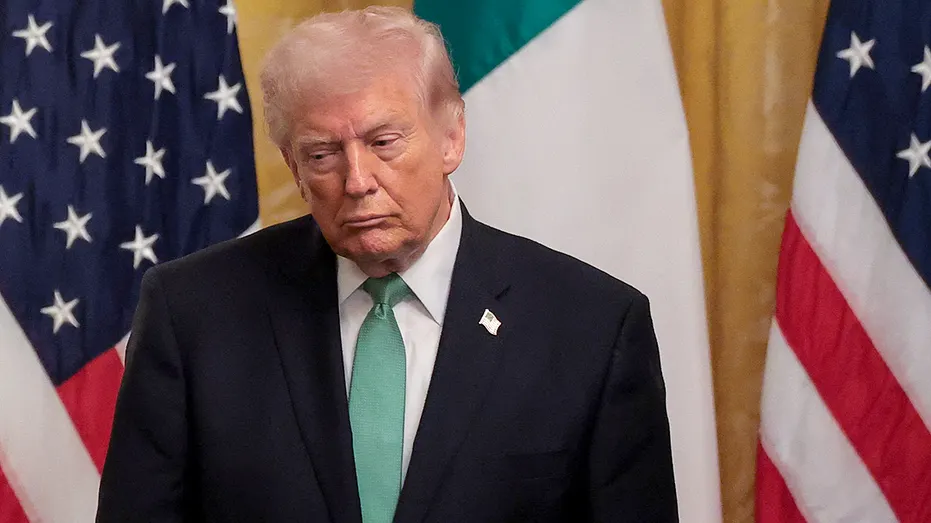
The White House has temporarily suspended the Jones Act, allowing foreign vessels to transport energy cargo between U.S. ports as fuel prices surge following the conflict with Iran.
The 60-day waiver, announced Wednesday by Press Secretary Karoline Leavitt, is intended to ease domestic supply constraints and help bring down gasoline prices.
Originally enacted in 1920, the Jones Act requires cargo transported between U.S. ports to be carried on ships that are U.S.-built, U.S.-flagged and U.S.-owned. The law was designed to protect the domestic maritime industry and maintain shipbuilding capacity.
The temporary suspension applies to shipments of coal, crude oil, refined petroleum products, natural gas, natural gas liquids and fertilizer, according to officials cited by Bloomberg.
The policy change follows a sharp escalation in the Middle East after U.S. and Israeli strikes on Iran on February 28, which effectively closed the Strait of Hormuz, the key maritime corridor for Gulf energy exports.
The disruption has trapped hundreds of tankers and thousands of crew members in the Persian Gulf and sent global fuel prices sharply higher.
Although the strait is roughly 20 miles wide, commercial shipping normally passes through two narrow channels only two miles wide each. Tehran has reportedly restricted passage to vessels from China, India and Turkey, leaving many international ships stranded.
Analysts suggest the Jones Act waiver could help reduce gasoline prices in the United States by roughly 10 cents per gallon by lowering shipping costs between Houston and East Coast markets.
The measure could also help alleviate shortages of fertilizer originating from Gulf producers.
In a letter to President Trump, U.S. farmers warned that rising fertilizer prices and supply disruptions were threatening agricultural operations as the planting season approaches.