Business Nov 25, 2026
Venice Plans €1.60 Embarkation Fee for Airport and Cruise Port Passengers
Save and Venezia Terminal Passeggeri oppose the proposed levy, with legal challenges potentially on the horizon
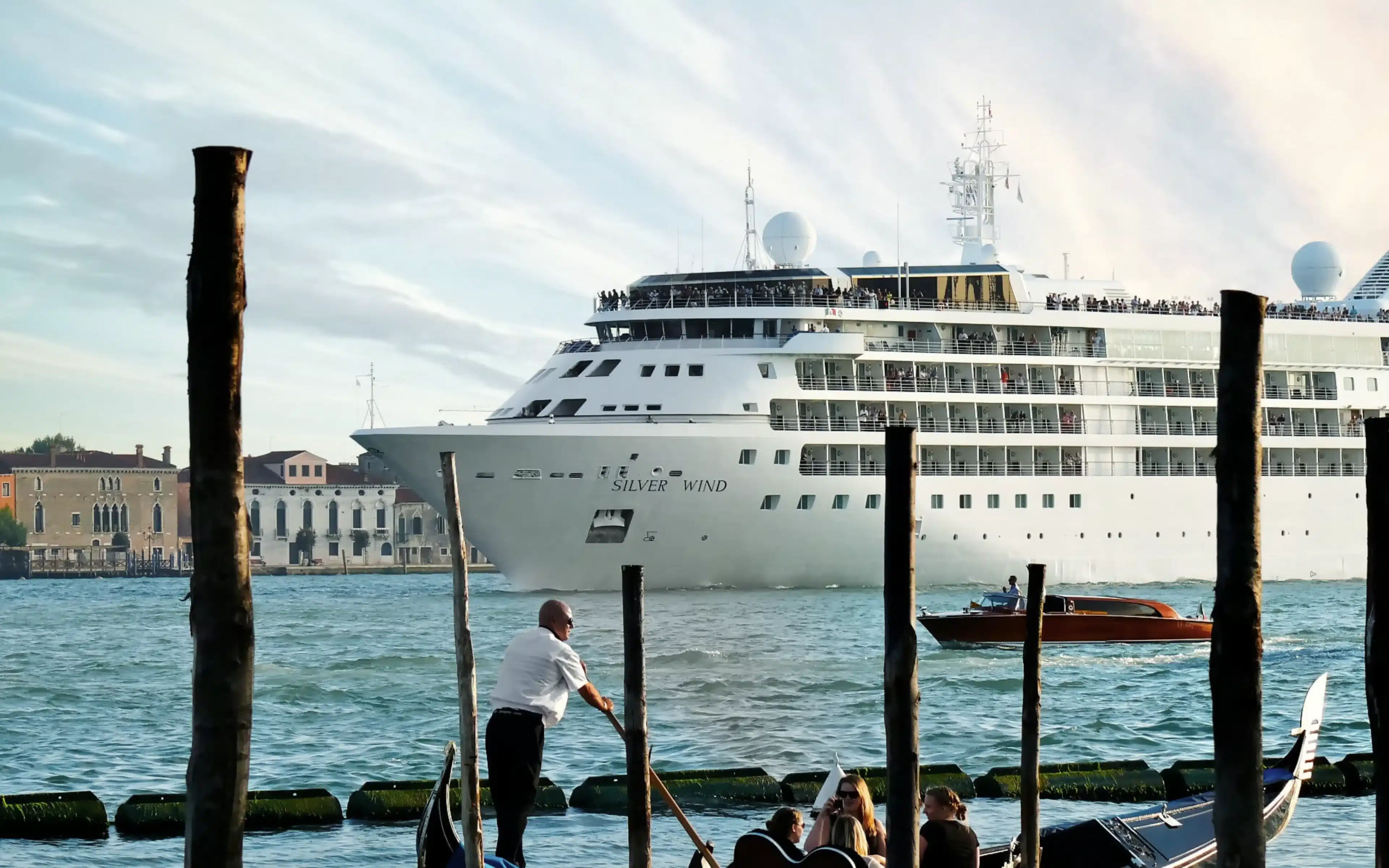
Venice Moves to Introduce a New Passenger Charge
Passengers departing from Venice by air or sea could soon face an additional €1.60 charge under a new municipal measure proposed by the city administration led by Mayor Simone Venturini. The planned municipal embarkation fee would apply to passengers departing from Venice Marco Polo Airport and the city's cruise port, extending the contribution beyond traditional airport users to maritime passengers.
The measure is expected to come into force in spring 2027. Its primary purpose is to ensure that people travelling through Venice's main transport gateways contribute to the costs of managing tourism flows and maintaining the urban services required to support the city's substantial visitor numbers.
Exemptions and the Justification of the Municipality
The proposed fee has been fixed at €1.60 per passenger. Children under age six would be exempt. Another exemption would be for cruise port passengers who have already paid Venice’s access contribution on days when that fee is in effect.
Mayor Simone Venturini has defended the move as part of the administration’s duty to the city. He reiterated his support for the strategic importance of the airport and the port and said he is willing to continue discussions with the companies that run these infrastructures.
But he also stressed that the municipality must use all the instruments available under the law in the interests of Venice and its residents.
The problem is not exactly a new one. The city should explore every possibility before requesting additional financial aid from the national government, said former mayor Luigi Brugnaro. He believed that showing that all possible sources of funding had been tapped would strengthen the municipality’s hand when it came to asking the central government for help.
Tourism pressure leads to further financial needs.
The unique geography and urbanization of Venice create financial needs that are not common to many other municipalities. The city must support its basic services while also handling some 25 million tourists per year, compared to a population of about 47,000 residents.
One example of the financial pressure that results is waste collection. The large number of visitors means that the municipality has to continually look for other sources of finance to help pay for the operating costs and to not overly burden the local residents financially.
The proposed embarkation fee is thus framed as an alternative means of distributing the costs of tourism across the wider visitor economy.
Tourism, business groups divided on proposal
The initiative has elicited mixed reactions among the economic and tourism actors of Venice.
Among its supporters are hotel operators and Confartigianato, who believe it is reasonable that the costs generated by tourism are shared between the different businesses and subjects that benefit from the sector.
But the argument is about more than just the principle of financial contribution. The municipality has to consider also what impact additional charges could have on the competitiveness of Venice and the attractiveness of its transport infrastructure.
Save warns of another competitive handicap
Save, the company that runs Venice Marco Polo Airport, has been a fierce opponent of this. The airport operator has criticized the proposal, saying it would impose an additional financial burden on an aviation industry already under significant pressure.
Geopolitical tensions, higher fuel prices, higher energy costs and inflation are all combining to create a more challenging operating environment.
Save also said the surcharge could damage Marco Polo's ability to compete with rival airports, including Trieste, and put Venice at an even greater disadvantage in attracting passengers and maintaining its market position.
Cruise Terminal Operator Mulls Legal Action
The maritime industry is also speaking out against it. The port community expressed concerns about the possible consequences of the measure especially in a competitive context where some ports sell themselves with the identity of the lagoon while being located elsewhere.
The company that runs Venice’s cruise terminal, Venezia Terminal Passeggeri (VTP), is thought to be considering challenging the municipal measure before the Regional Administrative Court (TAR), according to information available.
The company believes the proposed levy is discriminatory and will impact on the competitiveness of port operations. A legal challenge would open a new front in the dispute between the city administration and operators of Venice’s main transport infrastructure.
Wider Tourism Financing Controversy
The proposed contribution of €1.60 is therefore becoming more than an additional passenger charge. It poses a broader question about the extent to which airports, cruise terminals and transport operators can be required to help cover the public costs created by tourism.
The problem for Venice is to have the resources to manage its extraordinary visitor flows and keep its airport and maritime infrastructure competitive.
With Save against the initiative and VTP possibly preparing for legal action, the municipality is facing increasing opposition from two of the most important operators in the city’s transport network. Whether the proposed contribution can be implemented as planned or the dispute will go to the courts will be seen in the next few months.
END OF REPORT