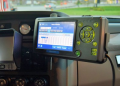





In the United States, a regulatory debate is reigniting the issue of road safety in a context of rapid technological evolution. A technology company has requested a federal exemption to replace warning triangles (or traditional devices) with vehicle-mounted LED panels, including for autonomy-related scenarios. The argument put forward: more visible, more flexible signage… and potentially monetizable thru advertising.
But the American Trucking Associations (ATA) and safety organizations strongly oppose it. Their position: The proposed technology does not demonstrate, with data to back it up, that it would work as well — or better — than standard devices in real-world conditions. Opponents point to the lack of robust testing on colors, messages, driver comprehension, and consistency of use, especially in an environment where safety often depends on simple and universal reflexes.
Another sensitive point: the exemption request is deemed too broad, as it is supported by a technology provider rather than an identified carrier, which would complicate the assessment of the actual impact and the number of vehicles involved. The case illustrates an underlying tension: innovate quickly, yes, but without turning open roads into a laboratory, especially when the solution includes commercial objectives that can blur the absolute priority — safety.