



Apple is expanding domestic manufacturing by launching Mac mini production in Houston later this year — the first time the company will assemble the compact desktop in the United States.
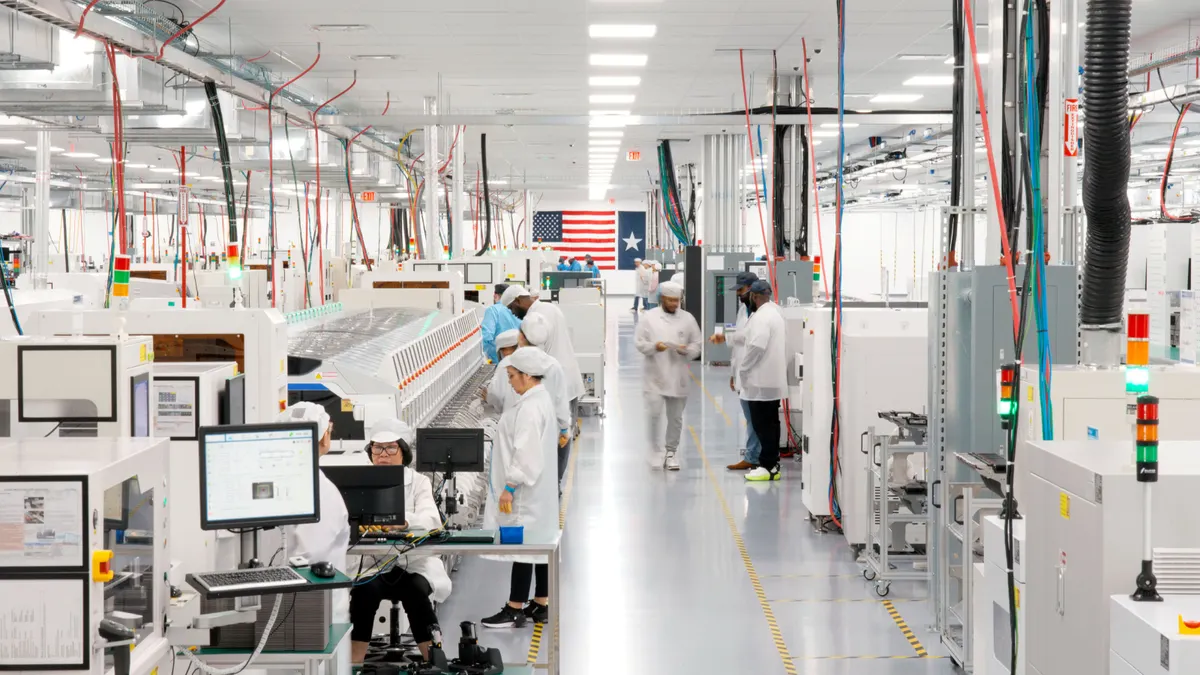
The move would double Apple’s manufacturing footprint in the region, where the company already assembles servers used to power its U.S. data centers.
Alongside Mac mini production, Apple plans to ramp output of its advanced artificial intelligence servers and open hands-on workforce training through its Advanced Manufacturing Center, currently under construction in Houston. Apple also began building a service production factory in the city last year.
A four-year, $600B investment plan
Apple’s Houston expansion is part of a $600 billion investment plan over the next four years aimed at boosting U.S. manufacturing and AI infrastructure.
Since August, Apple says it has sourced more than $20 billion in U.S.-made chips from suppliers including Taiwan Semiconductor Manufacturing Co., Broadcom and Texas Instruments. It has also invested in partner facilities in Sherman, Texas; Peoria, Arizona; and Harrodsburg, Kentucky — producing wafers, packaging and cover glass used in iPhone and Apple Watch supply chains.
“Apple is deeply committed to the future of American manufacturing, and we’re proud to significantly expand our footprint in Houston,” CEO Tim Cook said. “We began shipping advanced AI servers from Houston ahead of schedule, and we’re excited to accelerate that work even further.”
Scaling AI server production and workforce development
Apple began mass producing advanced AI servers in Houston last year at a 250,000-square-foot facility after initial tests in July. Those servers, previously built outside the U.S., now support Apple’s domestic data center network.
The company is also investing in talent development. Its 20,000-square-foot Advanced Manufacturing Center — scheduled to open later this year — will offer hands-on training for students, supplier employees and U.S. businesses of all sizes.
The broader message is strategic: Apple is progressively strengthening supply chain security while responding to rising industrial-policy and geopolitical expectations.