




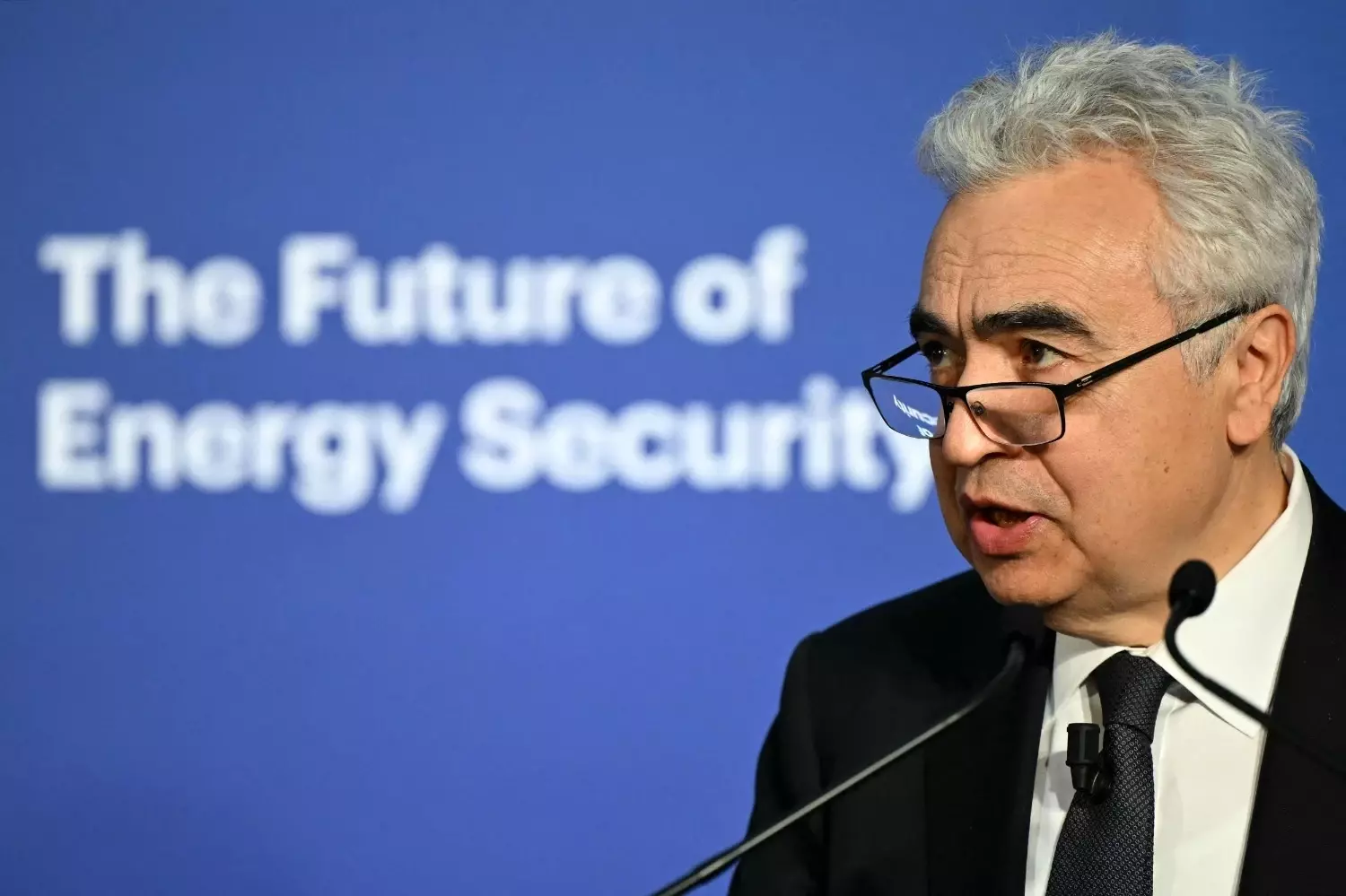
The International Energy Agency has cut its 2026 oil demand forecast by 730,000 barrels per day in its April Oil Market Report, warning that the ongoing crisis around Iran and the Strait of Hormuz is triggering the sharpest projected quarterly drop in oil demand since the Covid-19 pandemic.
The IEA said demand is now expected to fall by 1.5m barrels per day in the second quarter of 2026, describing it as the steepest decline since the pandemic period.
The initial impact on demand has been concentrated in the Middle East and Asia Pacific, but the agency warned that the destruction in demand is likely to spread as scarcity and higher prices continue.
Since US and Israeli attacks on Iran began on 28 February, energy infrastructure across the Middle East has been hit by drone and missile strikes, while the Strait of Hormuz has remained effectively closed to most marine traffic. The IEA described the situation as the largest disruption in history, saying it contributed to a 10.1m barrels per day drop in global oil supply to 97m barrels per day in March.
The agency said that restoring flows through the Strait of Hormuz remains the single most important factor in easing pressure on energy supplies, prices and the wider global economy.
The report was published shortly after the United States announced it would blockade vessels travelling to and from Iran. Since the conflict began, most of the ships that have transited the Strait have reportedly done so with Iran’s approval, including tankers carrying Iranian oil to destinations such as China and India. The new US blockade is expected to add another major restriction.
In early April, loadings of crude, natural gas liquids and refined products through the Strait had fallen from 20m barrels per day in February to just 3.8m barrels per day. At the same time, Gulf exports routed outside Hormuz rose to 7.2m barrels per day from less than 4m before hostilities began.
The IEA said the overall loss in oil exports now exceeds 13m barrels per day, with production cuts and infrastructure damage causing cumulative supply losses of more than 360m barrels in March and a projected 440m barrels in April.
Oil inventories are being used to soften the impact of the disruption. The agency said global oil stocks fell by 85m barrels, including a decline in oil on the water as Gulf departures slowed dramatically. IEA executive director Fatih Birol said on 14 April that the agency was prepared to draw further on global reserves if needed, although he said he hoped another release would not be necessary. On 11 March, IEA members agreed to release 400m barrels from emergency stockpiles to help stabilise the market.
The agency also warned that global refining activity is under pressure. In April, refineries in the Middle East and in parts of Asia affected by feedstock shortages cut runs by around 6m barrels per day to 77.2m barrels per day. Global crude runs are now expected to fall by an average of 1m barrels per day in 2026 to 82.9m barrels per day. At the same time, refining margins have surged, with middle distillate cracks reaching record highs.
The IEA said its forecast assumes oil deliveries begin to normalise again from mid-year, although not at the levels seen before 28 February. It cautioned that, if the conflict becomes prolonged, energy markets and economies worldwide should prepare for significant disruption in the months ahead.