



The conflict in the Middle East is likely to trigger lasting changes in container shipping networks, with carriers expected to redesign services to reduce exposure to strategic chokepoints, according to Drewry.
The consultant said liner operators moved quickly to maintain trade flows into the Arabian Gulf, a region heavily reliant on imports of consumer goods, machinery and construction materials. So far, supply chains have shown notable resilience, even if shippers are forced to navigate a highly uncertain day-to-day environment.
But Drewry believes the longer-term impact could be structural. The firm argues that future liner networks will become more complex and more expensive as operators seek to reduce dependence on high-risk areas and major Gulf hub ports.
War risk insurance is already a key concern, but analysts say the broader lesson from the conflict is the vulnerability of existing trade routes. According to Drewry’s Simon Heaney, carriers are likely to become more risk-averse and fundamentally redesign networks to reduce reliance on chokepoints such as the Strait of Hormuz, Bab el-Mandeb and the Suez Canal.
Alternative solutions could include multimodal corridors and mini-land bridges, as carriers look for locations within reach of Gulf markets but outside the highest-risk zones.
Drewry’s Philip Damas said there will be both winners and losers in this transition, with significant scope for new investment. He argued that Gulf Cooperation Council countries should move quickly on an east-west landbridge corridor linking the Gulf to the Red Sea.
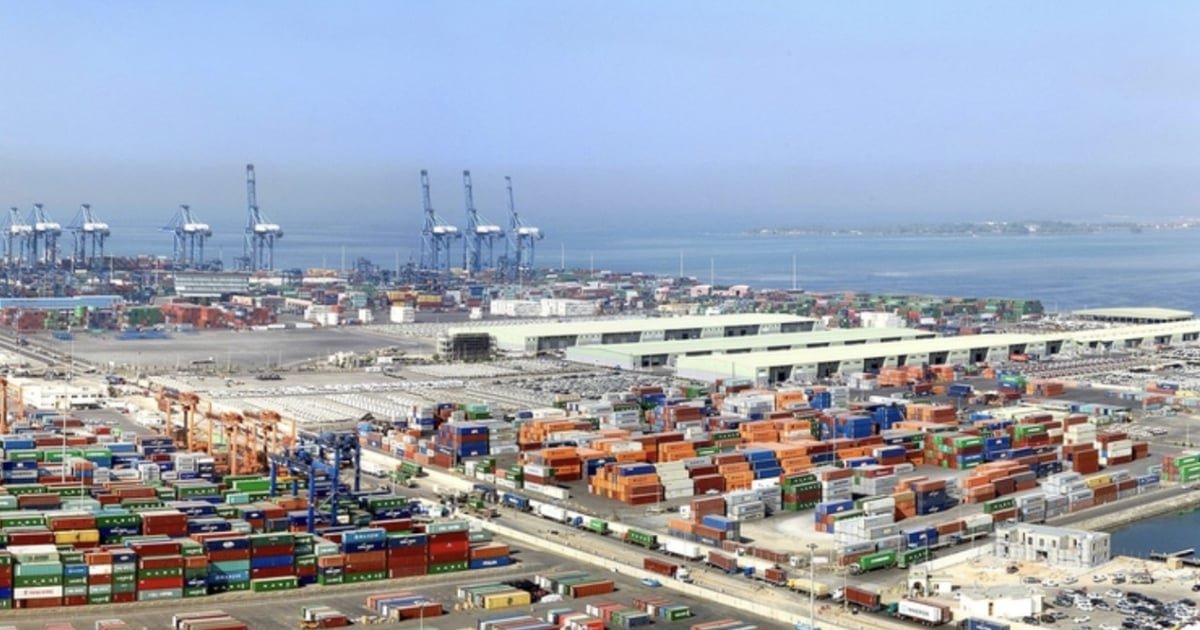
The port of Jeddah could emerge as one of the main beneficiaries, thanks to steady capacity growth over the past two decades. Other potential gainers include Aqaba and terminals in Turkey. By contrast, major Gulf ports such as Dubai, Abu Dhabi and parts of Saudi Arabia could lose business.
In Asian trades, the Suez Canal may also face a more prolonged decline in traffic if longer but lower-risk routings around the Cape of Good Hope become a more permanent feature rather than a temporary emergency response. For shippers, that would mean longer transit times and higher costs.
Drewry notes that spot rates from China to Jebel Ali have already risen by three to four times, although the increases remain below those seen during the Covid period. Still, the priority for many cargo owners has shifted from price to safety.
Higher fuel costs are also reducing sailing speeds and constraining effective capacity, which could in turn support additional vessel contracting in the medium term.
For now, global container volumes have not collapsed. But Drewry believes the structural vulnerabilities exposed by the conflict are likely to leave a lasting mark on trade networks and service patterns.