



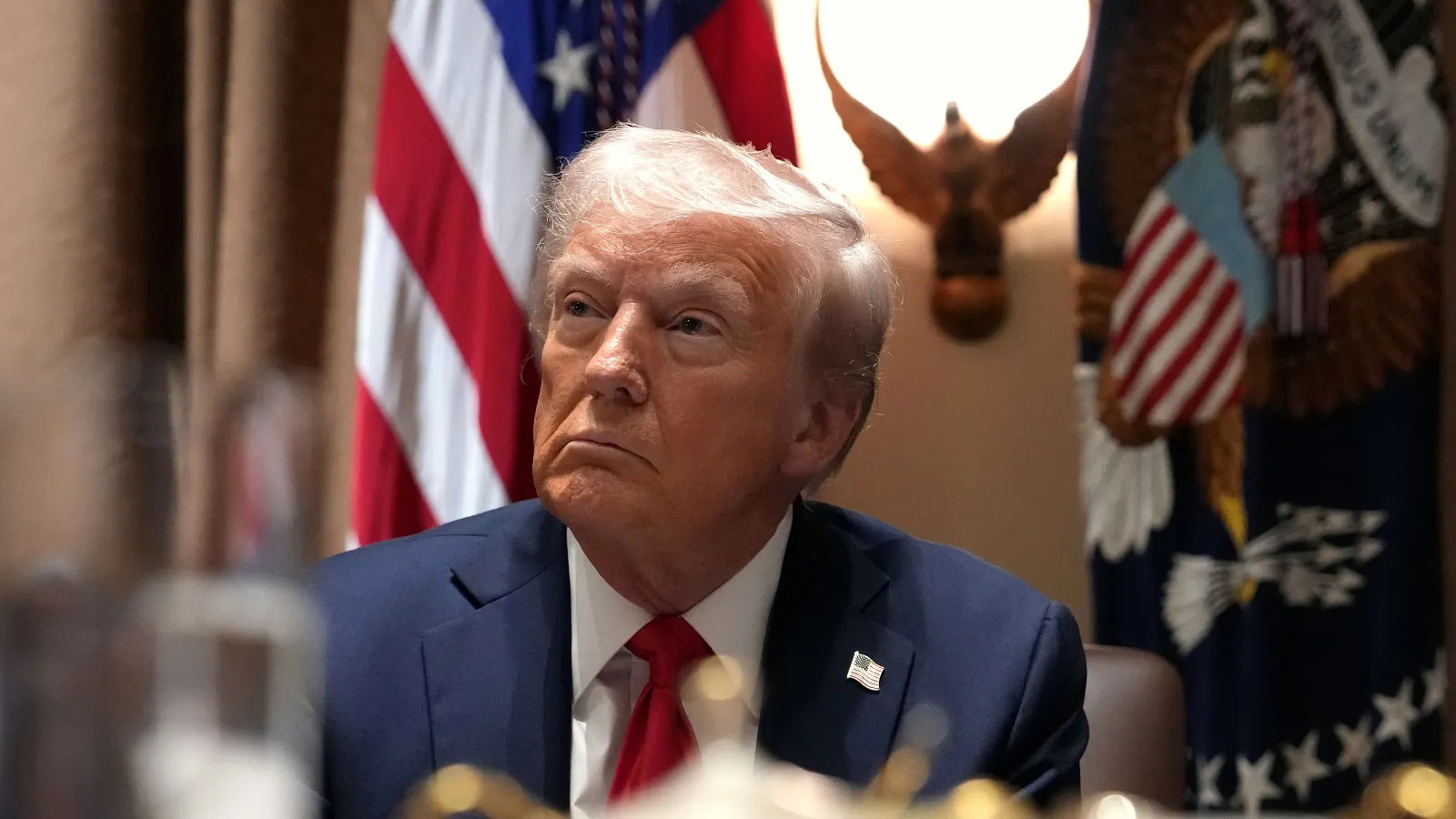
US trade policy continues to evolve rapidly under President Donald Trump, with tariffs remaining the main instrument of economic and diplomatic pressure.
Since returning to the White House in January 2025, the US president has multiplied executive orders and tariff measures, extending and reinforcing the approach already pursued during his first term.
However, this strategy has faced significant resistance, particularly in the courts. The Supreme Court struck down tariffs imposed under the International Emergency Economic Powers Act, calling into question the reciprocal tariff policy announced early in the second term.
Despite this setback, Donald Trump has said he intends to continue using tariffs through other legal bases, including Sections 232 and 301. The United States has already launched or applied sector-specific measures targeting steel, aluminium, automobiles and furniture.
Before the Supreme Court decision, the US administration had also reached agreements or negotiation frameworks with several major trading partners, including the European Union, Japan and South Korea. The impact of the court ruling on these agreements remains uncertain.
For companies, the environment remains highly fluid. Tariffs in force, trade investigations, negotiations and threats of new duties continue to weigh on sourcing, procurement and supply chain planning decisions.
In this context, regular monitoring of US trade measures has become essential for manufacturers, retailers, carriers and logistics providers exposed to international flows.