




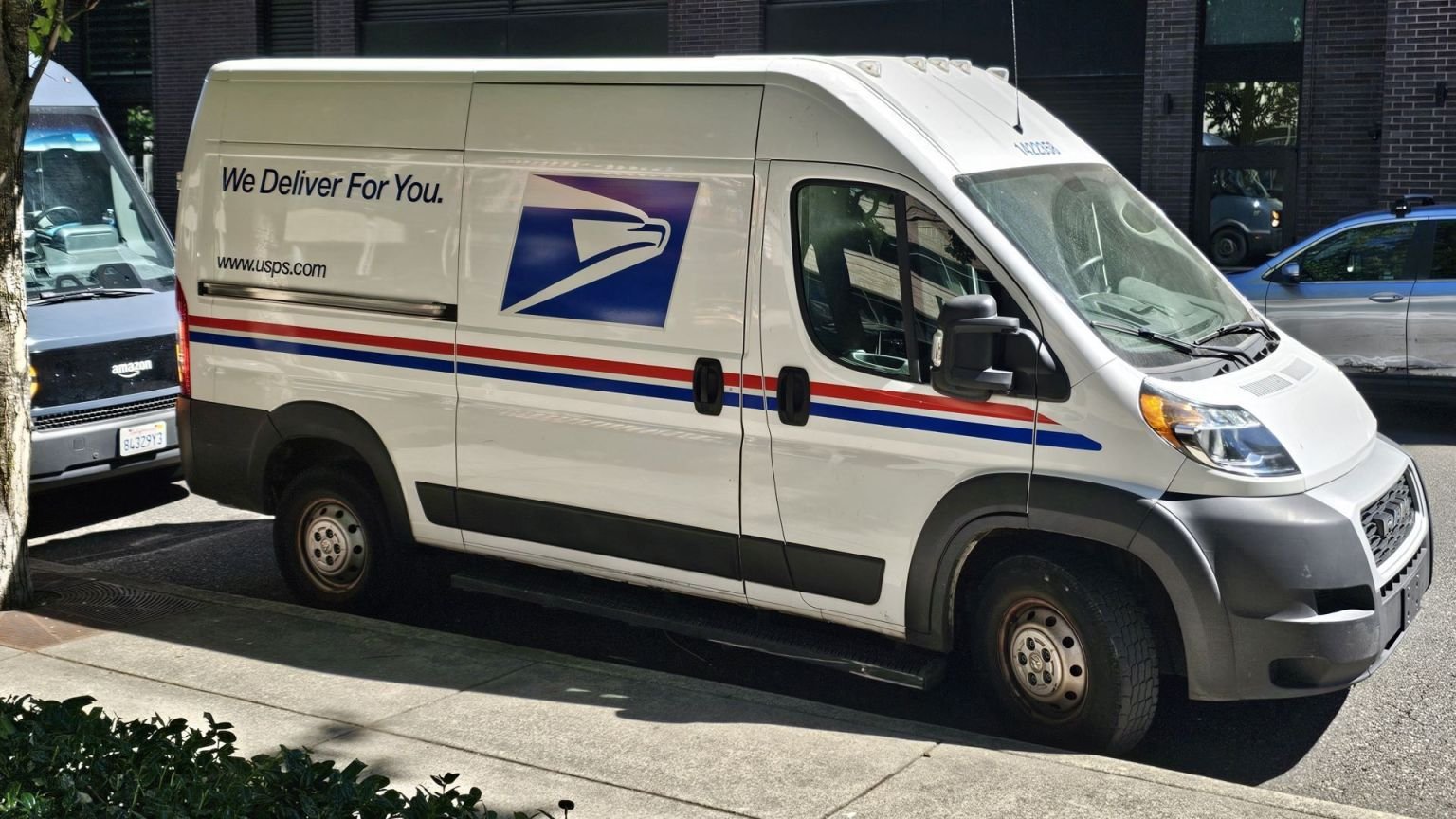
The U.S. Postal Service generated nearly $20 billion in revenue during its fiscal third quarter, helped by a new parcel surcharge introduced in April to offset higher fuel and transportation costs, as well as increases in stamp prices.
The Postal Service reported operating revenue of $19.9 billion for the three months ended June 30, a 6.1% increase from the same period last year. At the same time, the agency reduced its year-over-year net loss by 18.2%, or $584 million, to $2.5 billion.
The controllable loss, which excludes obligations outside management’s control, stood at $1.04 billion.
The Postal Service attributed the revenue improvement to higher prices for First-Class and marketing mail and the new parcel fees. The parcel surcharge is currently scheduled to expire on Jan. 17. These gains were partially offset by continued declines in mail and package volumes.
Postmaster General David Steiner also pointed to higher operating revenue, network optimization and lower workers’ compensation costs as factors behind the improved results. Network changes have helped improve service while reducing work hours, even as overall operating costs continued to rise.
However, postal officials acknowledge that the 10-year Delivering for America modernization and revitalization plan has not reached its service or financial targets halfway through its implementation.
Steiner noted that service quality has improved since he became postmaster general last summer. He also said the integration of distribution centers, technology and equipment is progressing without some of the operational problems seen during earlier efforts.
Financial pressure remains
Despite the improved quarterly results, the Postal Service continues to face significant long-term financial challenges.
Cash-conservation measures, including deferred payments to employee pension and retirement funds, have provided enough liquidity for the agency to continue normal operations through at least August 2027.
After that point, Steiner said the Postal Service could face difficult choices about which activities to prioritize unless Congress provides additional support. He previously told Congress in June that the agency could face a full liquidity crisis by 2031.
Steiner reiterated that the quasi-public organization needs legislative and regulatory reforms that would give it greater freedom to operate more like a private company while reducing statutory obligations related to pension and retirement funds.
One of the major structural problems is the need to provide universal coverage of the mail.
Since 2007 the volume of mail has dropped by over 50% but the number of delivery points has continued to grow. Last year alone, the USPS added 1.8 million new stops to its delivery network, increasing the cost of serving an increasingly dispersed customer base.
At the same time, the average number of pieces delivered at each stop has fallen sharply, from 5.5 pieces in 2007 to just 2.4 in 2025.
Steiner calls for congressional action
Steiner called on Congress to provide temporary investments and eliminate unfunded mandates so the Postal Service can maintain its current service levels.
Without congressional support for growth and modernization, he warned that the agency may eventually have to consider reducing service levels, closing thousands of post offices and increasing prices in order to reach financial break-even.
“The bottom line is that we need to fix the business model that has produced the 17-year-long imbalance in costs and revenue,” Steiner said.
He added that reducing costs while increasing revenue could eventually improve profitability and allow government appropriations to be reduced.
Steiner also criticized the Postal Regulatory Commission’s decision to limit USPS price increases to once a year. According to Steiner, the restriction cost the Postal Service approximately $700 million in lost revenue.
The organization has since filed a request to increase stamp rates in January using a different pricing methodology that it says would generate additional revenue.
USPS turns to pricing power
Improving revenue has become a priority for Steiner, including through more aggressive pricing for letters and bulk mail.
Steiner said the Postal Service needs greater flexibility to use its pricing authority if it is expected to cover its costs and improve its financial sustainability.
The agency would ideally increase both shipping volumes and revenue, he said. However, if it can achieve only one of those objectives, the focus should be on maximizing total revenue.
Steiner compared the approach with revenue management strategies used by private companies, including airlines and grocery retailers, which adjust pricing to maximize profitability.
So far, the Postal Service’s experience suggests that higher prices have generated more revenue despite a modest decline in volumes.
According to Steiner, the available data indicate that USPS has not yet reached the point where it should change its pricing strategy and that there is still room to increase prices.
He argued that failing to take advantage of that pricing opportunity would be financially irresponsible.
Parcel surcharge boosts revenue despite lower volumes
The 8% parcel surcharge has already had a measurable impact.
Parcel shipping revenue increased 7.7% despite a 3.4% decline in parcel volume. During the first nine months of the fiscal year, parcel volume fell 6.2% to approximately 4.9 billion pieces.
The figures illustrate the Postal Service’s broader strategy of using pricing to offset declining volumes and rising operating costs.
Overall operating expenses increased 2%, driven in part by higher payments for retiree health benefits, wages and fuel costs following the start of the Iran war.
The combination of higher prices, network changes and cost-control measures has improved the Postal Service’s financial performance in the short term. But the agency’s longer-term stability will depend on whether it can address its structural obligations, declining mail volumes and expanding delivery network while securing the legislative flexibility Steiner says is necessary for a sustainable business model.