



AIRBOUND — Airbound has raised $37 million in Series A funding to fast-track the development of its autonomous aircraft and broaden its goals to make aerial logistics more affordable.
The round was led by Greenoaks with participation from DoorDash, Lightspeed India Partners, Lachy Groom and Humba ventures.
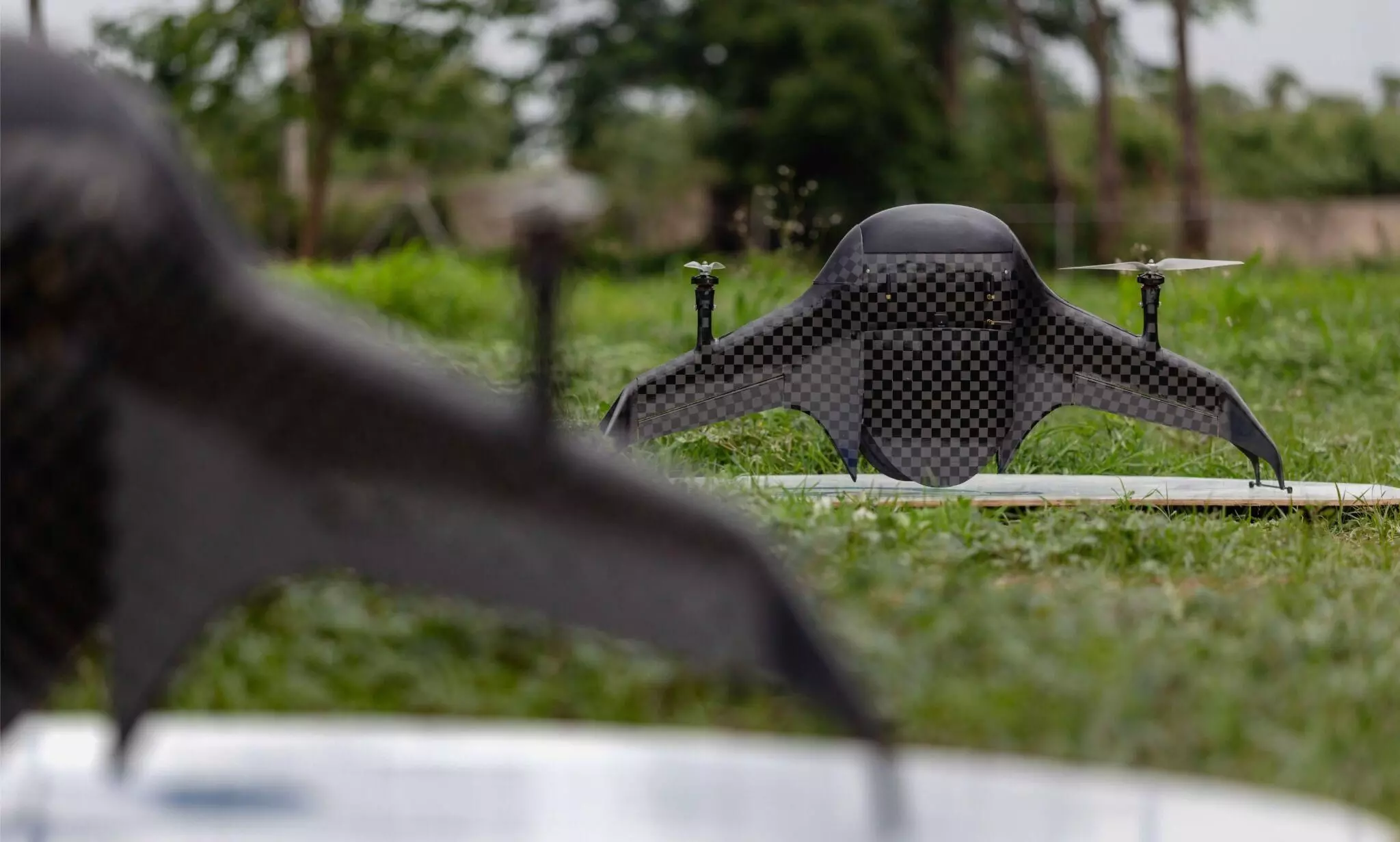
Airbound is creating a new class of autonomous aircraft to compete with the economics of traditional air transportation. The company is trying to make it more economically competitive with traditional ground-based logistics to move goods by air.
Enhancing aircraft economics
One of the basic problems of aviation is the weight of the aircraft itself. Airbound is tackling this issue.
The company believes that by increasing the share of each aircraft’s total weight that is devoted to useful payload, it can make transportation economics work better and drive down the cost of moving goods by air.
The technology is being developed specifically around autonomous operations, which could mean that goods could be transported without having to have pilots on board and open up opportunities for more flexible logistics networks.
Airbound has already completed over 13,000 autonomous flights, giving the company a substantial operational base as it enters the next stage of development.
Scaling operations in India
The company is now tying up with Indian state of Andhra Pradesh to expand its businesses.
It’s an ambitious goal, but Airbound is targeting 10,000 flights per day, and that says clearly that it wants to move beyond technology development and establish aerial logistics at significant commercial scale.
The new investment will help fund the expansion of its aircraft technology, operational infrastructure and autonomous flight capabilities as the company works toward that objective.
A new model for the transportation of goods
Airbound is marketing autonomous aircraft as a possible substitute for some types of cargo transportation on the ground.
The combination of autonomous flight, higher payload efficiency, and lower operating costs may create new opportunities for moving cargo over distances where traditional road logistics may be slower or less efficient.
The company’s latest round of funding will help provide additional financial support to turn that vision into a larger scale logistics operation.
Having already performed thousands of autonomous flights and with plans for a major expansion in India, Airbound is looking to show how autonomous aerial transport can be a practical and cost-effective part of future supply chains.