



US-based Excelerate Energy has awarded Singapore shipyard Seatrium a contract to convert an LNG carrier into a floating storage and regasification unit (FSRU), with an option to convert a second vessel. This is the world’s largest FSRU operator’s first agreement with the Singaporean shipbuilder, which is a global leader in FSRU conversion projects.
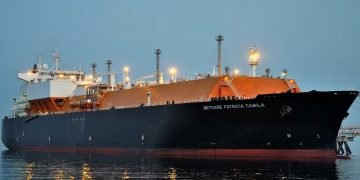
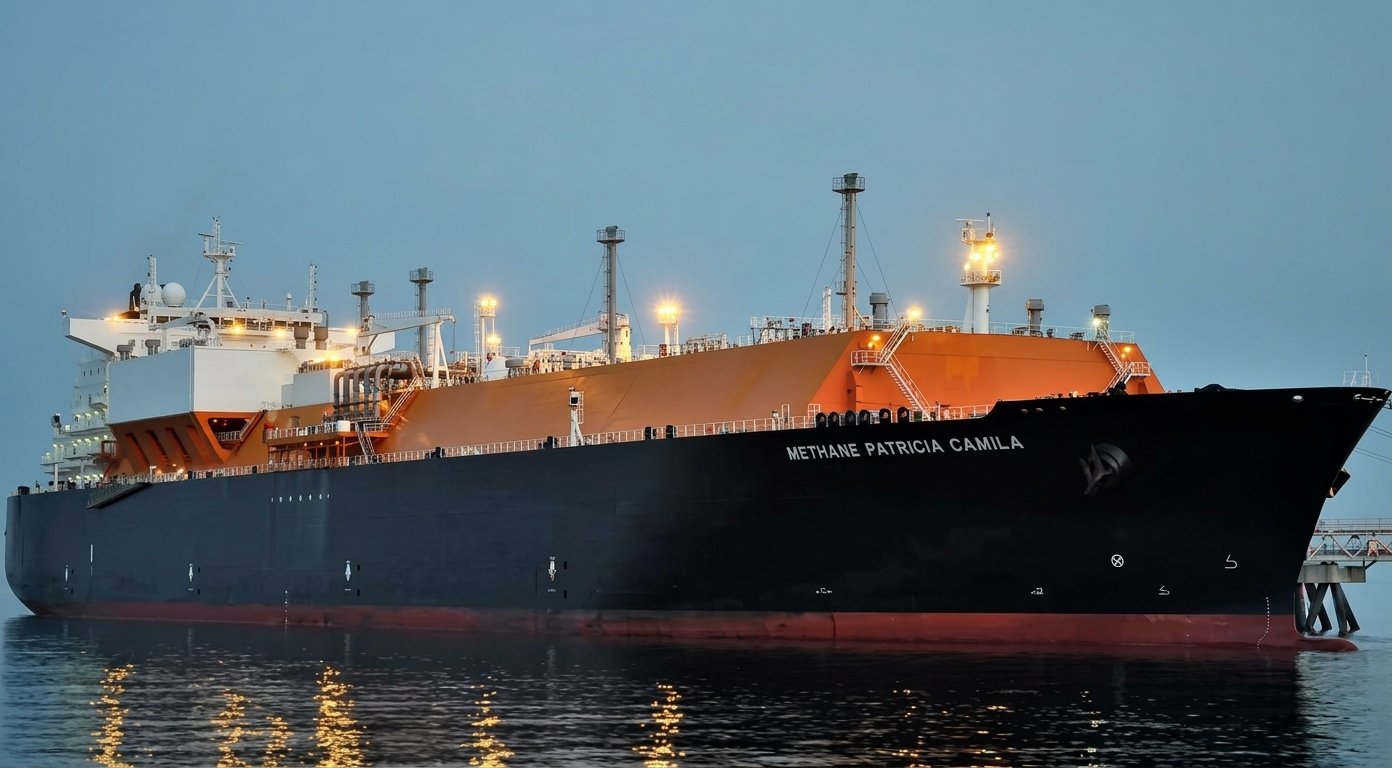
The contract for the Engineering, Procurement, Construction, Installation and Commissioning (EPCIC) covers the 16-year-old LNG carrier Methane Patricia Camilla, which has a cargo capacity of 170,000 cubic meters. Engineering work is set to start within the next few weeks, with completion and delivery expected in 2028.
Major modifications to convert the vessel for FSRU service
The conversion will also involve installation and integration of a regasification plant, LNG transfer and cargo-handling systems, utility and offloading equipment, as well as electrical and automation equipment. The project will also include modifications to the vessel’s marine systems and other technical upgrades required to convert the LNG carrier to its new role as an FSRU.
For Excelerate Energy, this is another investment in its LNG infrastructure capabilities and its ability to provide downstream infrastructure to customers around the world.
“The conversion will support the continued expansion of the company’s LNG infrastructure portfolio and further improve its ability to deliver reliable services to international customers,” said David Liner, executive vise president at Excelerate Energy. Patricia Camilla Methane will be the 13th FSRU in the Excelerate fleet, increasing the reach and capabilities of its LNG infrastructure platform once the work is completed.
Seatrium aims at the growing demand for flexible LNG infrastructure
Seatrium also sees the deal as an opportunity to support the development of LNG infrastructure as markets look for secure and lower-carbon energy sources.
“Seatrium is proud to be part of Excelerate Energy’s infrastructure expansion in this project,” said Alvin Gan, executive vise president for repairs and upgrades at Seatrium. He noted the potential role of Seatrium in providing scalable and cost-effective solutions to strengthen global LNG value chains.
Gan also thanked Excelerate Energy for the confidence it has shown in the shipyard and said Seatrium would work to deliver the conversion project to the highest standards of safety, quality and reliability.
The deal follows the continued demand for floating LNG infrastructure that keeps investment in FSRUs – an alternative to traditional land-based regasification terminals – supported.
There are about 55 FSRUs in operation globally
There are around 55 FSRUs operating globally today, with another 20 planned or under construction.
There are a number of operational and commercial advantages for FSRUs when compared to traditional onshore LNG terminals. These are mobile, quicker to deploy and cheaper, and allow operators to shift assets as market demands change. They also appeal to countries and energy companies who want to increase access to LNG, because of their operational flexibility and ability to provide additional security .
Excelerate Energy plans to convert the Methane Patricia Camilla in 2028 to add a further vessel to its fleet, with an option for a second conversion that could enable it to further expand its floating LNG infrastructure capacity.