



A group of Alberta landowners are suing the province’s energy regulator, saying the system for paying for the cleanup of orphaned oil and gas wells is chronically underfunded.
Environmental law charity Ecojustice is representing the landowners, Dwight Popowich and Teresa Patry, the Polluter Pay Federation and the Alberta Surface Rights Federation. They have joined forces to apply for a judicial review with the Court of King’s Bench, challenging what they say is the Alberta Energy Regulator’s (AER) ongoing failure to adequately fund the Orphan Well Levy.
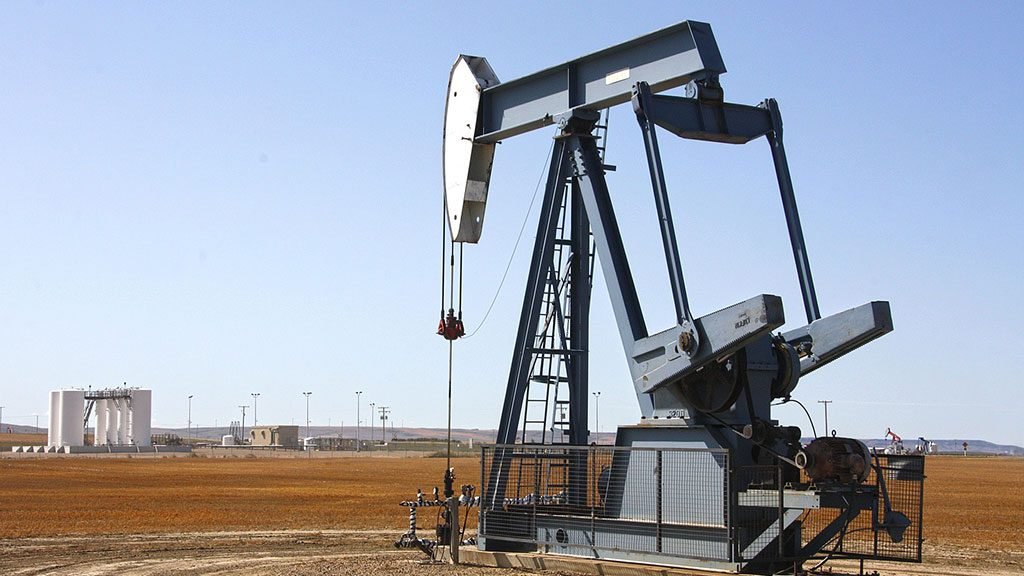
Oil and gas wells become “orphans” when the company that owns them becomes insolvent, goes out of business or is otherwise unable to fulfilll its legal obligations to safely close and reclaim the sites. Their clean-up is overseen by the non-profit Orphan Well Association, which is funded through an industry levy recommended annually by the AER to the Alberta government.
The Orphan Well Levy for fiscal year 2026-27 is set at $154.56 million, up from $144.45 million last year. But the Orphan Well Association estimates the total cost of cleaning up its current inventory is about $1.66 billion.
The applicants warn that the disparity between the available funding and the size of the cleanup challenge poses significant risks to communities, landowners and the environment.
“Orphan wells can leak contaminants into the soil, air and water, putting the health of Albertans at risk and causing irreparable harm to the environment,” the applicants said in their court filing.
The claim also alleges the abandoned sites can depress property values, limit land use and burden municipalities and private landowners with significant unpaid expenses.
The applicants further argue that oil and gas companies whose closure liabilities exceed the value of their remaining assets could avoid paying their obligations, with wider economic consequences.
“Oil and gas companies that don’t have enough assets to cover the cost of closing down their operations often don’t pay their bills, causing economic harm — and taxpayer money is used to fill the gap.”
Alberta’s Oil and Gas Conservation Act is the subject of the legal challenge. The legislation says the AER will decide how much the levy will be and that the money must be enough to cover costs associated with orphan oil and gas wells this fiscal year and shortfalls from past years.
The application alleges the regulator has not fulfilled this responsibility. It also says the AER has improperly delegated some of its legal authority over the levy rates to Alberta’s political executive, while allowing undue influence from the oil and gas industry.
The applicants also say the regulator looks at things like commodity prices and the health of the energy sector when setting the levy, not just the amount of money it takes to meet cleanup obligations.
Among other things, the complainants are asking the court to find the 2026-27 levy “unreasonable,” and to order the amount to be recomputed.
The scale of the problem is reflected in the Orphan Well Association’s latest numbers. It has a monthly inventory of 7,370 wells that are due for decommissioning, which is the permanent removal of equipment so that sites are safe.
There are still 9,151 sites to be reclaimed, bringing land back to near its natural condition.
The average cost to decommission a well was $28,800 in the 2025-26 financial year, while the average cost of site reclamation was $27,700.
For Dwight Popowich, the court challenge is the end result of years of frustration over a non-producing well on his land in Two Hills, Alta. The court papers said Popowich spent eight years trying to fix the problem before the well was declared an orphan in 2025.
He was later told by the Orphan Well Association that it could take 10 to 12 years to reclaim the site.
Popowich said at a news conference Tuesday that he had tried to raise the issue through proper channels but felt his concerns were brushed aside repeatedly as the problem grew.
“It’s not rocket science. “Even my grandkids know, if you make a mess, you clean it up,” said Popowich.
He said landowners in Alberta have lived up to their end of a bargain that allows resource development on their land.
“Landowners have fulfilled their end of the bargain. Albertans know how important resource development is to our province and we welcome that development for the promise that when companies were done producing they would clean up after themselves. That promise has been broken to me and thousands of other Albertans, over and over again.”
Teresa Patry, who lives near Vermilion, Alta., said the impact of orphaned sites goes beyond a financial issue.
My family has lived in the unknown for years about what these sites mean for our home, our land, our health and our future. “We’ve had health concerns in our family that we can’t explain, we worry about our animals and we’ve tried over and over to get answers from the Alberta Energy Regulator,” she said.
“It’s really hard to live with that uncertainty.”
The complainants’ allegations have not yet been tested in court.
On Tuesday, the AER declined to comment directly on the legal challenge. But the regulator said in a statement that the latest annual levy was up seven per cent from the previous year.
“The increase provides additional funding to support the Orphan Well Association in dealing with the growing number of orphaned oil and gas sites across the province.
But Ecojustice lawyer Susanne Calabrese questioned whether annual incremental increases to the levy could actually keep up with the fast-growing inventory of orphan wells.
Some have compared the slow funding increases to slowly paying down a mortgage, she said.
“That doesn’t make sense when the number of wells is just astronomically increasing at the Orphan Well Association,” Calabrese told reporters.
“It’s like you are paying interest-only on a mortgage and your house is doubling in size and you are buying 10 more houses.