



Amazon is expanding its use of safety technology across its delivery network, deploying surround-view cameras on electric vans while increasing driver compensation as it works to improve safety, recruitment and retention.
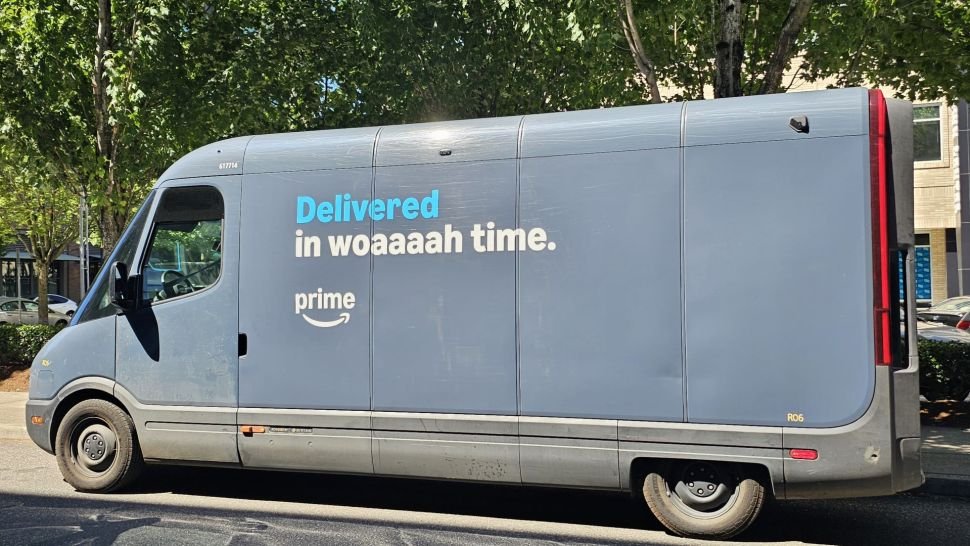
The latest initiative includes 360-degree camera systems from Netradyne designed to detect vehicles, cyclists and pedestrians from all directions and alert drivers to potential hazards. By the end of the year, the technology is expected to be installed in 50% of Rivian electric delivery vehicles operating across Amazon’s (NASDAQ: AMZN) network, Beryl Tomay, Amazon’s vice president of transportation, said in a blog post.
All Amazon-branded delivery vehicles, whether manufactured by Rivian or another automaker, already feature in-vehicle camera safety technology. According to Amazon, those systems have helped reduce distracted driving, speeding, as well as violations involving stop signs, stop lights and U-turns.
The new surround-view cameras expand those capabilities by giving drivers a broader view of their surroundings.
Amazon used more than 40,000 electric delivery vans to serve customers across the United States. Its delivery fleet also includes gas-powered vehicles.
AI is being used to identify risky driving patterns
Amazon is also applying more advanced artificial intelligence techniques to analyze driver behavior and identify habits that could be more likely to result in crashes.
The company shares those insights with independent fleet owners, allowing them to provide earlier coaching and intervention for their teams, Tomay said.
Amazon has invested more than $543 million in safety initiatives, programs and technology for independent business owners operating delivery fleets on its behalf.
Combined with safety efforts undertaken by contractors, those investments contributed to a reduction of more than 23% in serious vehicle crashes last year, according to Tomay.
The company is also adding dynamic hazard alerts to the Amazon Delivery app. Drivers will receive real-time notifications about accidents, road closures and construction activity ahead along their routes.
Navigation will also automatically modify routes when severe weather affects driving conditions or when hazards are detected. Van drivers will not need to manually intervene to trigger those adjustments.
Amazon continues expanding AI across delivery operations
Amazon is continuing to use AI-backed systems to support fleet operations and improve the accuracy of deliveries.
One example is Wellspring, the company’s generative mapping technology. The system learns from every trip to a particular location, gradually creating a more detailed and accurate model of the physical environment.
Since 2024, Amazon says Wellspring has identified 202 million parking locations, mapped 2.8 million building entrances and cataloged 85,000 mailrooms and lockers.
That information is intended to help contractors participating in the Delivery Service Program complete deliveries more efficiently and accurately.
Amazon is also continuing to develop AI-based routing technology capable of adjusting dynamically to real-world conditions.
The system takes factors into account such as reduced visibility after sunset and the additional time required to complete a downtown delivery when drivers have to search for parking during busy lunchtime periods.
Smart glasses add another layer of assistance
Amazon introduced AI-powered smart glasses last year to help delivery drivers perform their work more efficiently.
The computer-vision glasses provide real-time navigation guidance and delivery information directly within the driver’s field of vision.
The hands-free system is designed to allow drivers to remain focused on their surroundings rather than repeatedly looking down at a phone.
Since their introduction, the glasses have gained additional features, including an LED headlamp, hands-free scanning and proactive address verification.
Amazon expects to have more than 20,000 of the devices deployed in the field by the end of 2027.
Driver training and compensation also getting a boost
Amazon has also been expanding driver training infrastructure.
Since last year, the company has installed simulators at 30 Integrated Last Mile Driver Academy locations. It remains on track to reach its target of 40 simulators by the end of the year, spokesman Steve Kelly said.
Meanwhile, the Delivery Service Program has received a $1.9 billion funding injection intended to support higher driver compensation.
The funds will be distributed to owner-operators and are expected to increase driver pay by an average of 16% nationwide. National average earnings are projected to rise by about $1 to nearly $24 per hour, Tomay said.
The additional funding will also help Delivery Service Program providers cover healthcare benefits, tuition reimbursement and other benefits offered at the local level.
Why it matters: Amazon is both a major technology adopter and an increasingly significant competitor in the parcel delivery market. Its decisions on safety technology, artificial intelligence and driver compensation therefore provide an important signal for how the wider delivery sector may evolve.