




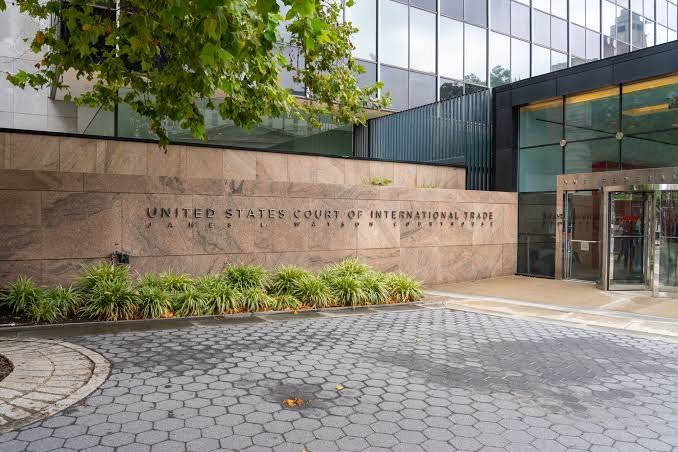
The U.S. Court of International Trade has cleared a significant legal hurdle for importers seeking reimbursement of tariffs imposed under the International Emergency Economic Powers Act (IEEPA). By certifying a class of affected businesses, the court has opened a potential path for companies that have not filed individual lawsuits to recover duties previously declared unlawful.
In a slip order issued Thursday, the court certified a class covering importers that paid IEEPA tariffs between February 1, 2025, and February 19, 2026. Importers that have already initiated separate lawsuits are excluded from the class. According to the order, more than 4,000 individual cases challenging the tariffs have been filed to date.
The decision follows the U.S. Supreme Court’s ruling in February that invalidated the emergency-based tariffs. The Court of International Trade subsequently directed U.S. Customs and Border Protection (CBP) to refund approximately $166 billion collected under the unlawful measures.
Since then, CBP has distributed more than $100 billion in reimbursements through its dedicated Consolidated Administration and Processing of Entries (CAPE) portal. The newly certified class is intended to provide a route to repayment for the remaining eligible importers, including businesses that have not pursued litigation.
Small importers risk missing out on refunds
The court’s order highlights concerns that a significant number of importers have not used CAPE to claim their money back. These businesses are believed to be predominantly small importers that may lack the resources to navigate the process or may not even be aware that the reimbursement program exists.
“Some importers of record have not taken advantage of CAPE,” the court noted in Thursday’s order. It added that the affected companies are believed to be overwhelmingly small importers that, because of the cost or effort required to file a CAPE declaration, or because they are unaware of the program, may never seek reimbursement through the existing system.
CBP has progressively broadened the range of customs entries eligible for processing through CAPE. This week, the agency introduced the ability to issue refunds for finally liquidated entries, although the initial expansion applies only to a select group of importers that have filed lawsuits.
Despite these developments, the court estimates that approximately $30 billion in IEEPA duties could remain with the federal government if a class-action mechanism is unavailable.
In explaining its decision, the court said it hoped certification would lead to the liquidation or reliquidation of all entries on which unlawful IEEPA duties were imposed, followed by refunds to the importers of record that paid them.
Certification does not guarantee immediate reimbursement
The ruling does not mean that every importer included in the class will receive an immediate payment. Several legal and procedural steps remain before the court can issue a comprehensive refund directive covering all class members.
The court has scheduled a closed conference with the parties for October 13 and established October 22 as the deadline for proposed scheduling arrangements covering additional filings required in the class-action proceedings.
James Kim, an international trade partner at ArentFox Schiff, emphasized the distinction between certifying the class and ordering payments. In a LinkedIn post, he said the decision does not immediately expand refund eligibility or direct the government to issue payments. However, it creates a potential path for importers that have not filed individual lawsuits, potentially leading to a single order requiring refunds to be issued to those businesses.
Justice Department appeal remains unresolved
The larger showdown over the government’s refund obligations is also unfolding in federal court. The U.S. Department of Justice is appealing the order requiring CBP to refund all finally liquidated entries.
The department argues that the Court of International Trade can only order refunds to the importers that have brought suits for refunds. That remains a central legal obstacle to providing relief to businesses that have not commenced their own proceedings.
So while the class-action certification is a potentially major step toward a wider refund process, the ultimate extent of reimbursement will be determined by further court rulings. For importers who paid the invalid tariffs, the proceedings could determine if recovery of those duties requires individual litigation or if a broader court order can offer a collective resolution.