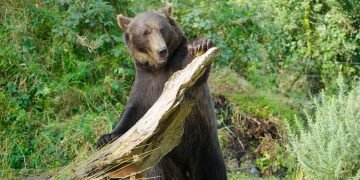




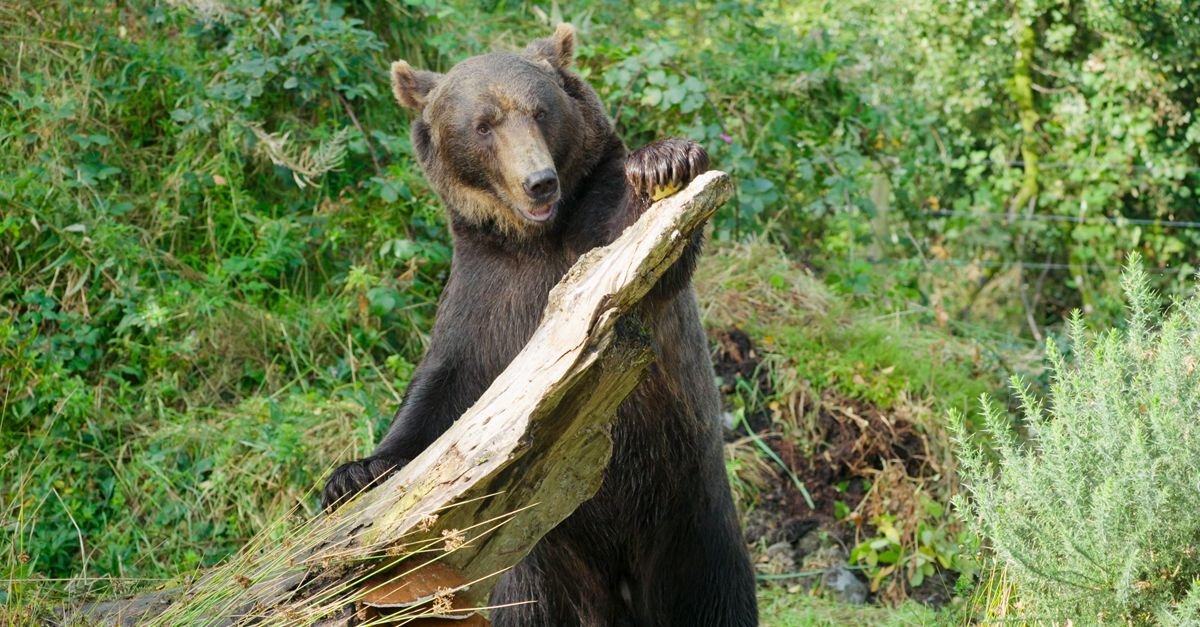
Etihad Cargo played a key role in the relocation of two brown bears from Russia to Ireland, concluding a five-year international rescue mission. They reached Wild Ireland, a wildlife sanctuary in County Donegal, on 4th August 2026 – Bu and Tyapa. That was the result of a long campaign involving more than 100 people in a number of countries.
The operation was led by Killian McLaughlin, founder and director of Wild Ireland. The aim, he said, was to provide a safer environment for the bears after years of living in unsuitable conditions in Dagestan, in Russia. It had been a circus. Tyapa had lived in a petting-zoo.
Etihad Cargo, the cargo and logistics arm of Etihad Airways, facilitated the animals’ journey through its international network, demonstrating the level of air freight expertise that can be leveraged to support wildlife conservation and animal welfare initiatives.
Specialist handling in 3 countries
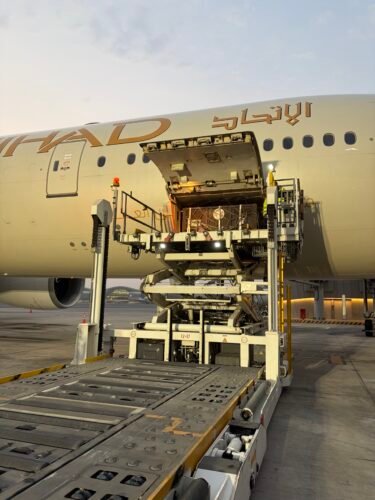
The bears made their journey from Moscow to Dublin via Etihad Cargo’s hub in Abu Dhabi. The operation was a closely-coordinated effort between Etihad Cargo, Abu Dhabi Airports and Velora, with teams managing the specialist handling and transit arrangements at Zayed International Airport.
There are some skills and careful management in every stage of transportation of live animals. Etihad Cargo’s IATA CEIV Live Animals certification means it adheres to recognized standards for the safety, welfare and care of animals throughout the transportation process.
The mission also showcased how the airline’s global network can be leveraged for operations beyond traditional freight movements, especially where specialized logistics and international cooperation is required to achieve a successful outcome for the airline’s cargo division.
Etihad’s Chief Cargo Officer Stanislas Brun said the operation had a wider significance with collaboration playing a role in protecting animals and supporting conservation.
“At Etihad Cargo, we believe our global network and expertise can contribute meaningfully to wildlife conservation and animal welfare. Bu and Tyapa’s rescue is a powerful example of how working together can give animals a second chance at life. “We are proud to have supported this remarkable mission with our partners, showing that what we do is more than connect markets, it is to make a positive difference,” he said.
A new life after years of uncertainty
Bu and Tyapa moved into their new forest habitat at Wild Ireland in September, after their arrival in Ireland in August. The sanctuary reports positive signs of recovery as the bears slowly acclimate to their new environment.
McLaughlin says getting here has been years of challenges and the work of coordinating at the national level. He said the rescue was a team effort, owing to the commitment of many individuals and groups working toward a common goal.
“It’s been five years of challenges, so it’s so rewarding to see Bu and Tyapa finally in their new home. This rescue would not have been possible without the kindness, determination and collaboration of people in many countries. The founder and director of Wild Ireland said: “We have given these bears the chance of a better life.
Five-year mission to be subject of documentary
Abu Dhabi-based production company Moondance Productions is also capturing the international operation. The work of the rescue teams and their international partners will be presented to a wider audience in a documentary about the five-year rescue effort, to be released in 2027.
“The partnership has been a welcome example of what can be achieved through collective effort,” said Shane Brennan, CEO of Moondance Productions.
“To see Killian, Etihad Cargo and so many international partners come together to give two neglected bears a second chance has filled me with real hope in an age that can often feel increasingly bleak. “It’s been a privilege, a passion as filmmakers, to be able to document this extraordinary journey across continents,” said Brennan.
Now that Bu and Tyapa are comfortably settled into their new forest habitat, the mission demonstrates the logistical coordination, specialist animal-handling skills and international collaborations that can help make complex wildlife relocations a success.