Cargo Nov 19, 2026
ABF Freight employees expose $1.5 million drug trafficking operation in Ohio
The discovery of cocaine, fentanyl and other narcotics inside commercial freight prompted a DEA investigation in Dayton, leading to the arrest of four men involved in a fraudulent cargo collection scheme.
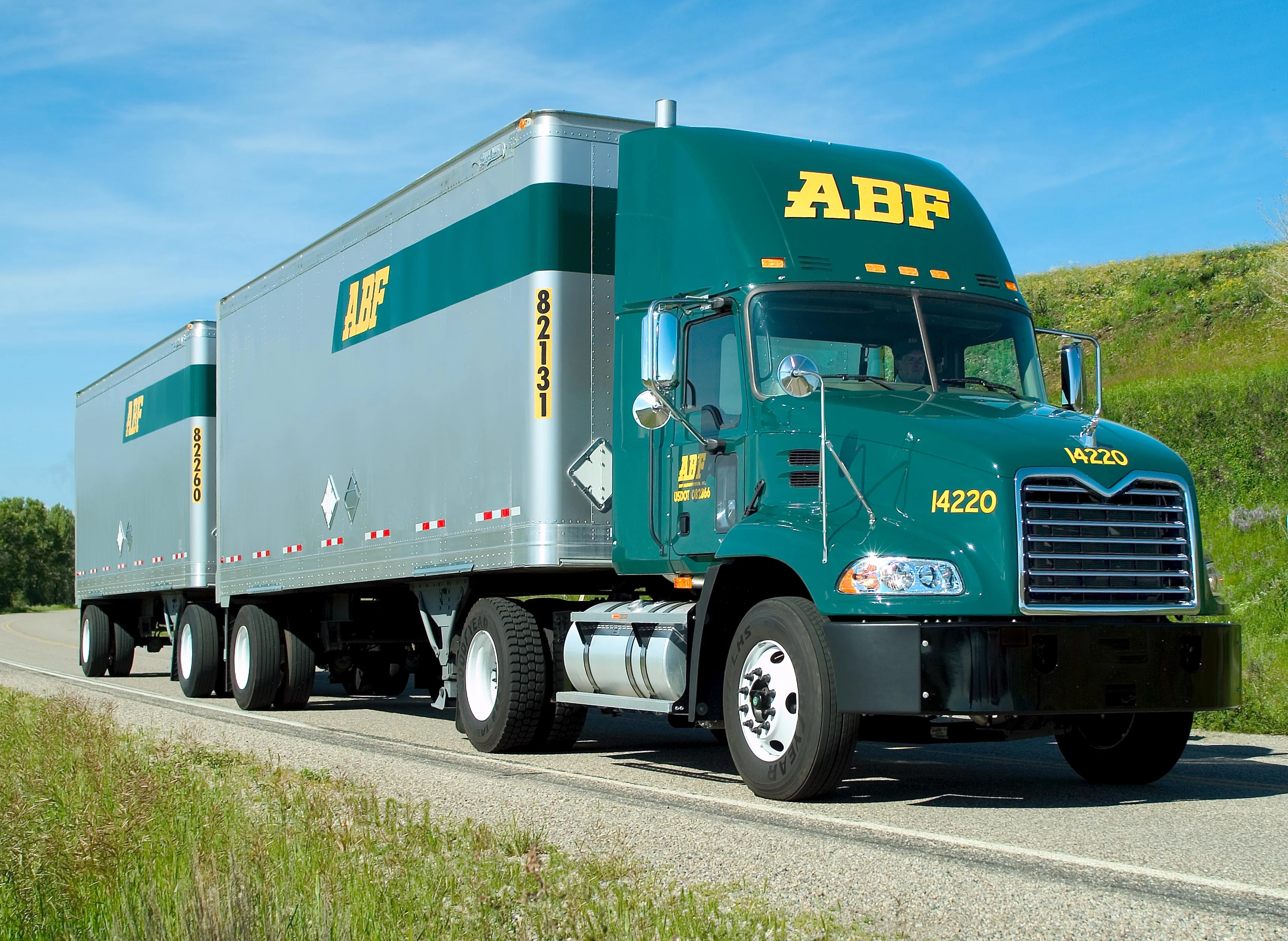
Dayton, Ohio – ABF Freight employees discovered a large shipment of narcotics at a distribution facility after observing unusual contents in commercial freight arriving from Los Angeles. Douglas Bennett was the addressee for the shipment and it contained several types of illegal drugs. Employees called law enforcement on February 2, 2026, and a federal investigation was opened, which led to four guilty pleas.
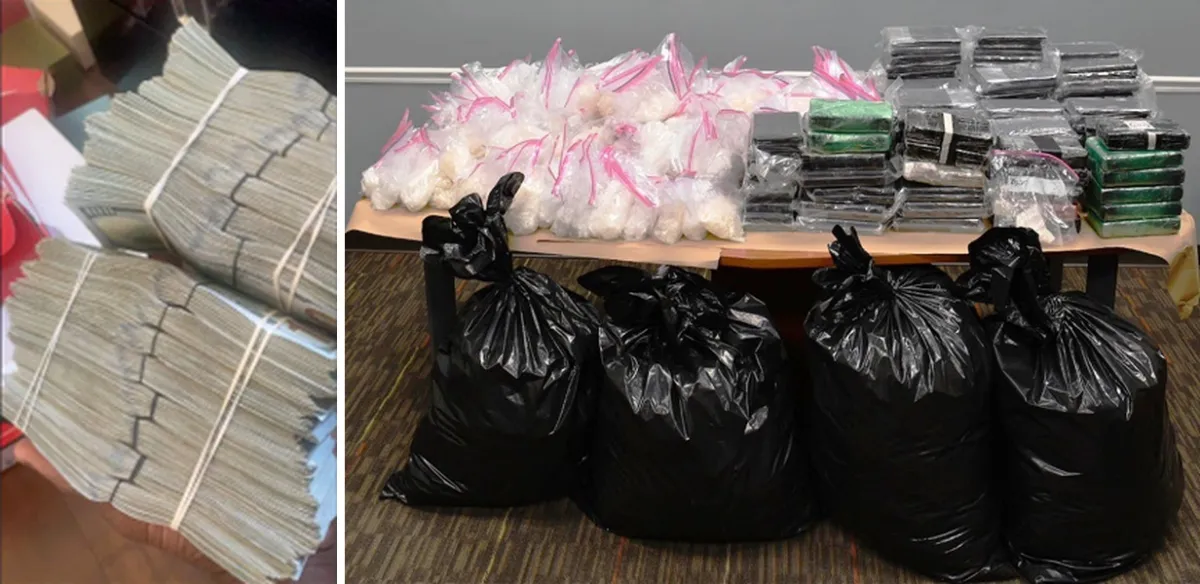
The probe found the cargo contained cocaine, fentanyl, methamphetamine and marijuana, with a combined street value of about $1.5 million, according to a federal sentencing memorandum.
Commonwealth Freight is named in court papers as the shipper of record. Authorities were alerted by workers who found the suspicious packages at an ABF Freight distribution centre in Dayton where the cargo had arrived. Agents with the Drug Enforcement Administration conducted preliminary testing and obtained a federal search warrant. But the government's sentencing memorandum doesn't say why employees opened the shipment in the first place.
Investigators eventually found 119 brick-shaped packages of cocaine and fentanyl, spread across two pallets. Laboratory analysis confirmed about 118 kilograms (260 pounds) of cocaine and one kilogram (2.2 pounds) of fentanyl. Authorities also seized about 170 pounds of meth and 80 pounds of marijuana.
The DEA estimated the seized narcotics had a combined street value of about $1.5 million.
The incident adds to a series of cases demonstrating how criminal organizations exploit legitimate freight transportation networks to move illegal substances. FreightWaves previously reported on another trafficking investigation in which unsuspecting trucking companies were used to transport cocaine from California to Florida. In the Dayton case, however, employees identified the suspected narcotics before the shipment was collected by the intended recipients.
Following the discovery, federal agents removed the drugs and arranged surveillance to monitor the subsequent collection attempt.
A phoney ID to pick up the package.
On February 3, 2026, DEA agents obtained search warrants to install tracking and surveillance devices around ABF Freight’s distribution centre in Dayton.
Mark Lane and Roderic Searcy drove a white Mercedes van to the facility to collect the cargo. Searcy made a false identification card in the name of Douglas Bennett, the same name as on the shipment, for the warehouse employees.
The two men managed to collect the pallets and left the distribution centre.
A grey Honda Civic trailed the Mercedes. Craig Worthen was in the front seat with Jason Heath driving the Honda. The two cars then went to a house on Basore Road in Dayton.
Detectives watched as the four men gathered behind the property and opened the freight.
An arrest was being rapidly put together. The suspects tried to leave the house in their individual cars, shortly after they had gained access to the consignment. Heath tried to manoeuvre the Honda around law enforcement vehicles but became stuck in the snow. The authorities then arrested all four men.
A subsequent search of the Honda Civic uncovered more Commonwealth Freight shipping labels, giving investigators more evidence in the operation.
Further evidence comes from the searches of the phones and the cash seized.
Investigators also looked at Worthen’s cell phone after his arrest. The device contained searches for ABF Freight’s Dayton terminal dated Jan. 31, 2026, just days before the attempted collection.
Agents also found a photo of piles of money, dated January 19, 2026. Federal agents seized $5,140 in cash and three cell phones from Worthen at the time of his arrest.
The Dayton investigation resembles another major DEA case previously reported on by FreightWaves. Texas authorities seized more than 2,000 pounds of methamphetamine concealed in a commercial shipment of cabbage.
Both cases illustrate how huge quantities of narcotics can be concealed in routine commercial freight shipments. But the Dayton op had a twist: an effort to collect using fake IDs.
The court records do not indicate how the shipment entered the transportation network initially, or the details of the original shipment.
Four defendants enter guilty pleas, three cases pending sentencing
Heath, Searcy, Worthen and Lane were indicted by a federal grand jury in February 2026. Prosecutors said the four men conspired to possess controlled substances with intent to distribute.
The proceedings were in the U.S. District Court for the Southern District of Ohio. Eventually, all four defendants pled guilty to the charges.
Worthen was the first of the defendants sentenced. The court sentenced him in September to 11 years in federal prison, less than the 14 years prosecutors sought.
His defence lawyers had asked for the mandatory minimum 10 years, saying his involvement was an effort to get money fast. The probation department recommended, and the court eventually sentenced him to 11 years.
Heath, Lane and Searcy also have confessed but are waiting for sentencing.
Heath pled guilty, the U.S. Department of Justice said Nov. 13. It did not name the freight carrier involved in the investigation when it made its announcement.
However, a sentencing memo obtained by FreightWaves in September identifies the transportation company involved as ABF Freight. The court filing also offers some additional details about the probe not included in the Justice Department’s public announcement.
ArcBest confirms cooperation with law enforcement
FreightWaves contacted ABF Freight, a subsidiary of ArcBest, to obtain further details about the discovery and the company's response.
In a statement provided to the publication, ArcBest emphasized its commitment to employee safety, cargo security and cooperation with authorities.
The company stated: “ArcBest and ABF Freight prioritize the safety and security of our employees, our customers and their freight. We partner with law enforcement as appropriate and remain committed to operating responsibly and doing what’s right.”
ArcBest did not clarify what led employees to open the shipment in the first place. Federal prosecutors also did not respond to separate questions submitted before publication.
Why the case matters for the freight industry
The Dayton investigation underscores the role of warehouse employees and freight operators in identifying suspicious activity across commercial transportation networks.
Criminal organizations can exploit legitimate logistics infrastructure to move prohibited substances, often without the knowledge of the carriers handling the cargo. Freight shipments may therefore become part of trafficking operations despite being processed through established commercial distribution systems.
In this case, the intervention of ABF Freight employees gave federal investigators an opportunity to identify the narcotics, monitor the attempted collection and arrest the individuals involved before the shipment could be moved further.
The case also highlights the risks associated with fraudulent identification and cargo collection procedures. For freight operators, employee awareness, shipment verification and cooperation with law enforcement remain important elements in protecting transportation networks from criminal exploitation.
END OF REPORT