Maritime Nov 24, 2026
AET prepares to introduce a long-range hybrid-electric vessel following major retrofit
Converted by Fleetzero, the AET Innovator is expected to deliver up to 500 nautical miles of all-electric operation and a hybrid range of 13,500 nautical miles, while significantly reducing emissions and operating costs.
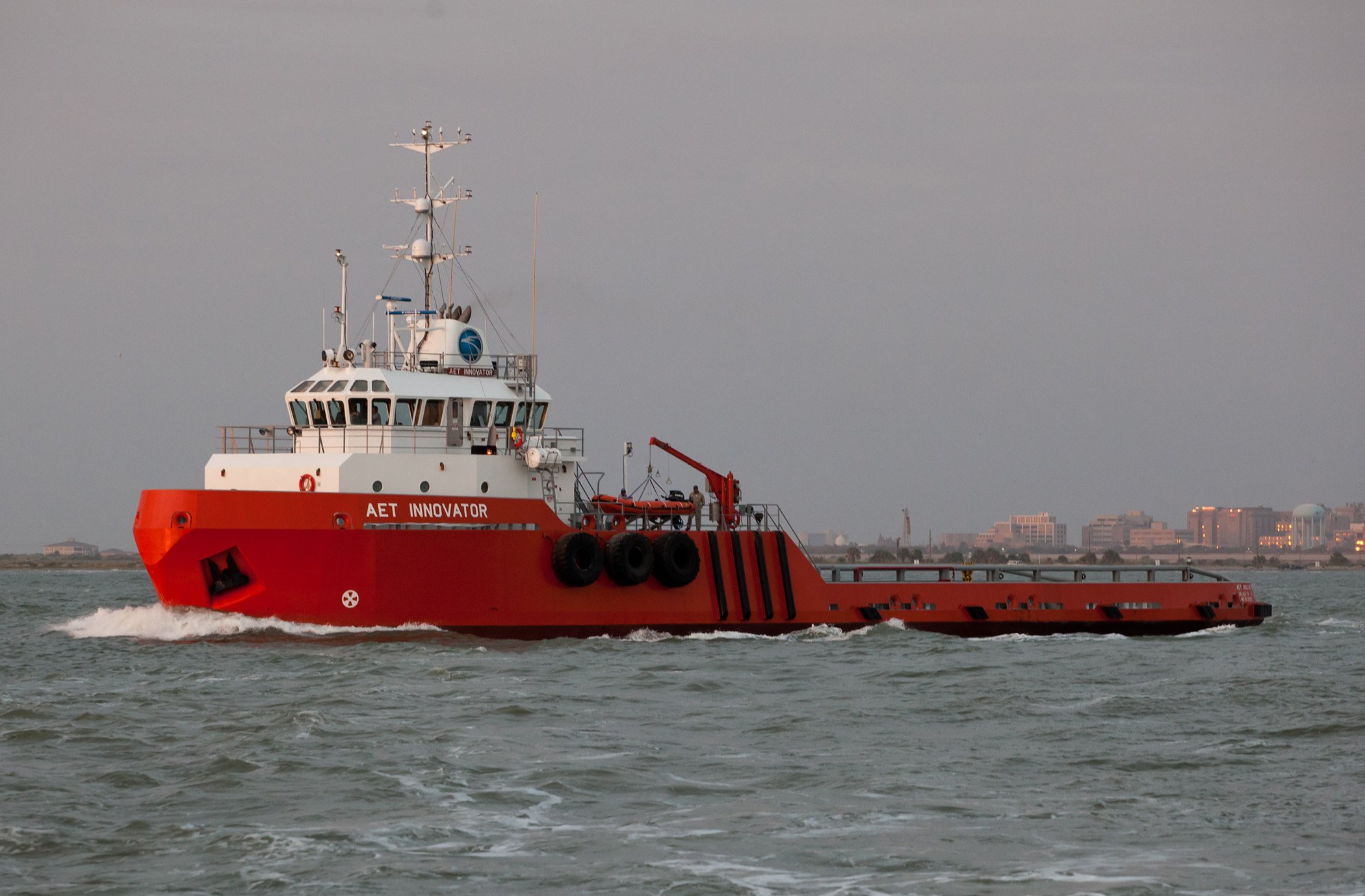
AET is set to launch what it says will be the world’s longest-range plug-in hybrid-electric ship, a major step forward in the adoption of alternative propulsion technologies across the maritime sector. The unveiling will take place on 1 December, after the AET Innovator completes its sea trials. The vessel has just undergone a major hybrid-electric conversion with Fleetzero.
The 1,475 dwt vessel, built in 2011, has been fitted with an electric propulsion system developed by Fleetzero. Once in commercial service, it will support ship-to-ship (STS) lightering operations in the Gulf of Mexico.
Re-utilization of existing vessel infrastructure for energy storage
One of the major retrofit elements was the conversion of two old diesel fuel tanks into dedicated battery compartments. These areas now hold some 11 mWh of lithium iron phosphate batteries, which allow a lot of energy storage capacity to be added without adding a lot of weight to the vessel.
The conversion also includes autonomous-ready technology to add another level to the vessel’s technological capabilities.
AET and Fleetzero estimate the AET Innovator will be able to travel up to 500 nautical miles using electric propulsion only. The range is estimated at 13,500 nautical miles in hybrid mode.
They are intended to allow for lower-emission operations, while still providing the range and operational flexibility required for commercial maritime operations.
Reduced operating expenditure and lower emissions
In addition to propulsion performance, the project is expected to deliver considerable environmental and economic benefits compared to conventional diesel-powered vessels.
AET and Fleetzero are aiming for an 82% reduction in greenhouse gas emissions. They also expect to reduce fuel use and maintenance costs related to propulsion by up to 49%. Annual reduction of emissions is estimated around 1,220 tons.
The initiative presents an opportunity for AET to introduce new technologies into an established segment of its operations while increasing efficiency and enhancing the services offered to customers.
“This project is about applying technological innovation to one of the core business activities of AET,” Nick Potter, President and CEO, AET said.
AET Innovator is about bringing new technology into one of our core businesses where we see real potential to improve performance, reduce emissions and enhance the value we bring to customers.
“We will trial hybrid-electric propulsion in a commercial setting with Fleetzero and gain the experience that will inform our next investment.
Modular technology to minimize downtime
The conversion was also planned to minimize disruption to the vessel’s availability. The companies say the propulsion system was built and pre-commissioned at the factory before being installed, minimizing the amount of time the vessel had to be out of service.
Steven Henderson, co-founder and CEO of Fleetzero, views the project as part of a larger shift in maritime operating economics.
This is about changing the economics of shipping at the root,” he said.
Electric propulsion means fewer vessels to maintain, lower operating costs and more reliable ships. “Together with the autonomous technology, we are shaping a future where ships can transport cargo more efficiently and at a fraction of the cost of today.”
A way to substitute traditional diesel propulsion without having to invest in newbuild
The companies believe the AET Innovator project shows that hybrid electric propulsion can be a commercially viable alternative to traditional diesel systems without building an entirely new vessel.
The initiative will retrofit an existing vessel, seeking to combine emission reductions with the operational reliability and economic performance expected from commercial shipping.
The project was formally kicked off in March 2025 with a signing ceremony at AET’s offices in Galveston, Texas. Following its retrofit and sea trials, the vessel will be officially unveiled on 1 December at the International Workboat Show in New Orleans.
END OF REPORT