Air Nov 23, 2026
Africa’s Aviation Industry Faces a Capacity Challenge as Passenger Traffic Set to Surge
With airport passenger numbers projected to reach 754 million by 2054, African aviation stakeholders are being urged to accelerate infrastructure investment, strengthen airline competitiveness and expand their operational capabilities to capture a greater share of the continent’s growing air transport market.
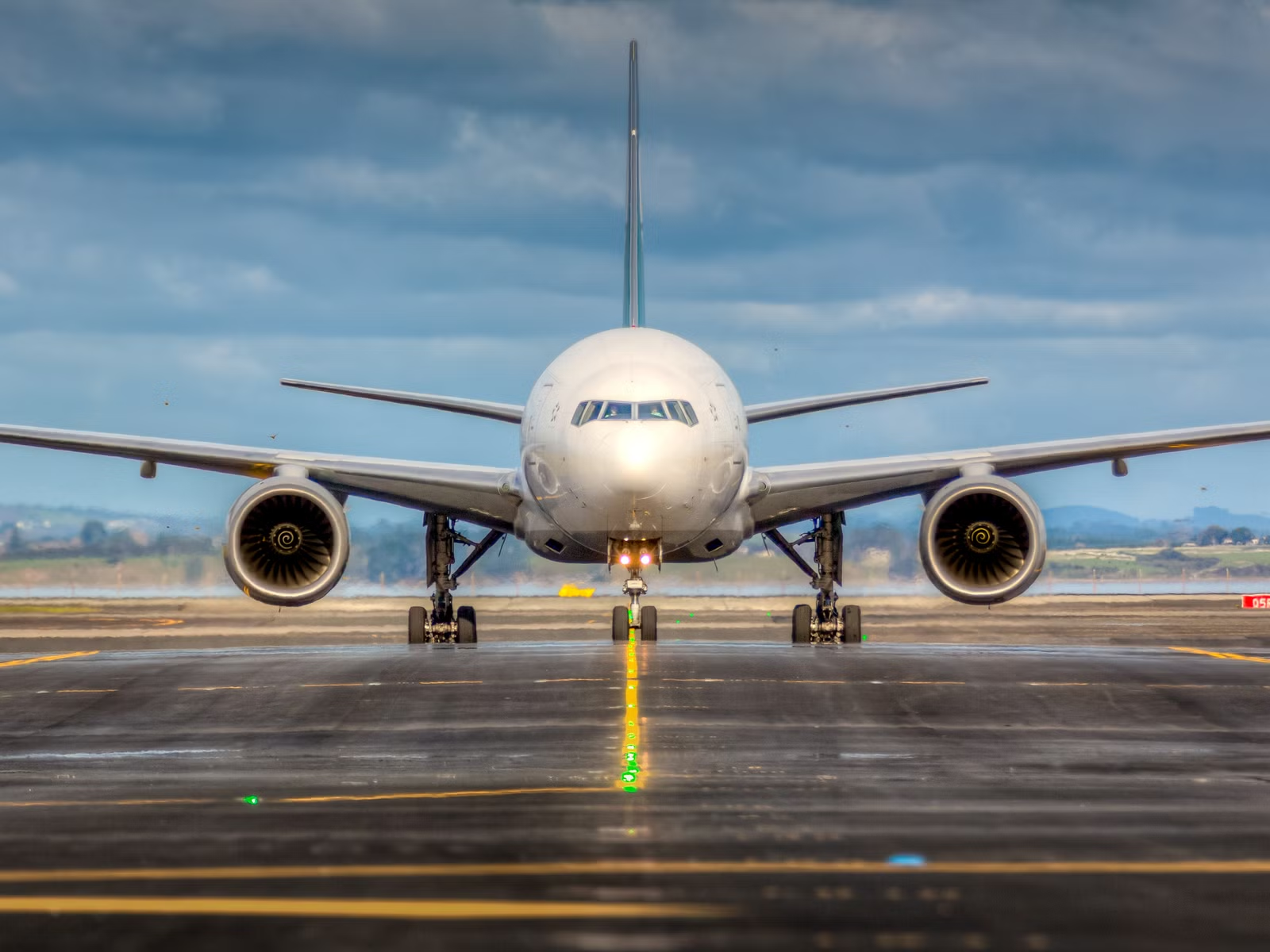
Africa’s aviation industry is on the brink of a period of substantial growth but the projected increase in passenger traffic will also reveal the limitations of existing infrastructure and business models. With increased liberalization of markets and international competition, African airlines, airport operators and aviation service providers face a common challenge of building capacity today to meet the demands of tomorrow.
High on the agenda of the 7th International Civil Aviation Organization (ICAO) Worldwide Air Transport Conference, held in Montreal from November 16 to 20, 2026, was the issue. Airports Council International (ACI World) called for increased mobilization of public and private financing during the event, to help airports expand their infrastructure before increasing traffic volumes put more pressure on existing facilities.
It is especially challenging for Africa. The ACI’s World Airport Traffic Forecasts 2025-2054 report indicates that passenger traffic at airports across the continent could rise from approximately 274 million in 2025 to 754 million by 2054.
ACI predicts an average annual growth rate of 3.6% for African airport passenger traffic between 2024 and 2054. This outlook is symptomatic of broader structural developments, such as urbanization, increasing commercial exchanges and changing mobility needs. Africa remains a relatively small portion of global aviation activity but the anticipated growth is a big opportunity for airlines, airport operators and service providers.
However, converting this potential into sustainable development will require more than just welcoming more passengers. “The continent’s growing demand will depend on infrastructure availability, access to capital and operational readiness in the aviation industry’s response.
"Airport infrastructure is a long-term financing need.
One of the main issues tackled at the Montreal conference was financing. The air transport industry estimates that US$ 4.1 trillion must be invested in global airport infrastructure by 2055 to cope with the forecast traffic growth.
To meet these needs, the organization encouraged a diversified financing approach that included public investment, private sector participation, public-private partnerships and blended finance mechanisms.
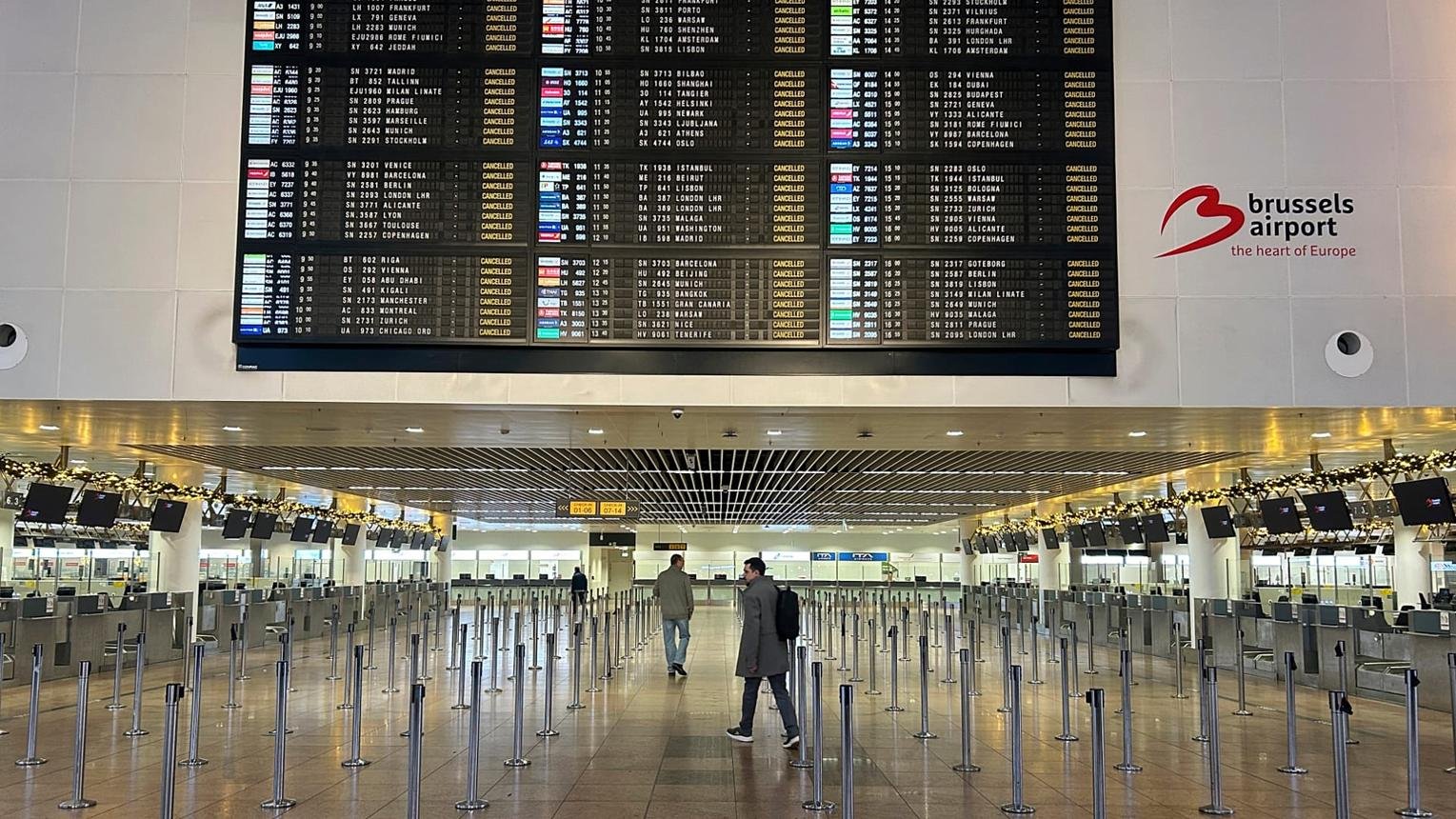
African airports have investment priorities spread across several areas. To meet the demand, the airport will have to increase its capacity by extending terminals, modernizing runways, improving air navigation equipment and increasing the number of aircraft parking spaces. Operators will have to upgrade passenger processing and baggage handling systems to increase operational efficiency and cope with increased traffic volumes.
However the capacity to raise the necessary funds will depend on financial viability of individual projects.” Stable regulations, predictable future revenues and credible profitability prospect are preconditions to attract investors .
ACI also called on governments to recognize airports as strategic economic assets and to put in place an environment that allows them to finance their long-term development. This is particularly the case for smaller regional airports that have more limited financial resources and therefore a tougher time remaining economically viable.
Airlines in Africa Need to Capture More Market Share
The expansion of airport infrastructure will not ensure that African airlines will reap commensurate benefits expected. Moreover, local airlines need to improve their ability to attract more passenger flows in an already saturated international airline market.
African airlines are forecast to carry 137.3 million passengers in 2026, up from 113 million in 2025, the African Airlines Association (AFRAA) says.
But that growth hasn't made them as big on intercontinental routes. African carriers provided 37.6% of the capacity on these services in September 2026, the balance of 62.4% being supplied by foreign airlines.
This imbalance also reflects the competitive problems African operators face in developing their international networks and capturing a larger share of long-distance traffic.
Some of the measures that could help them improve their position include fleet renewal, network expansion, better regional connectivity and the development of commercial partnerships. These initiatives would create new markets for airlines, and offer better connections for Africa to the world.
Yet the financial challenge of implementing such strategies remains. Significant capital is required for fleet acquisition and maintenance and for day to day operations, especially in a high operating cost industry.
More chances for growth in air cargo and logistics
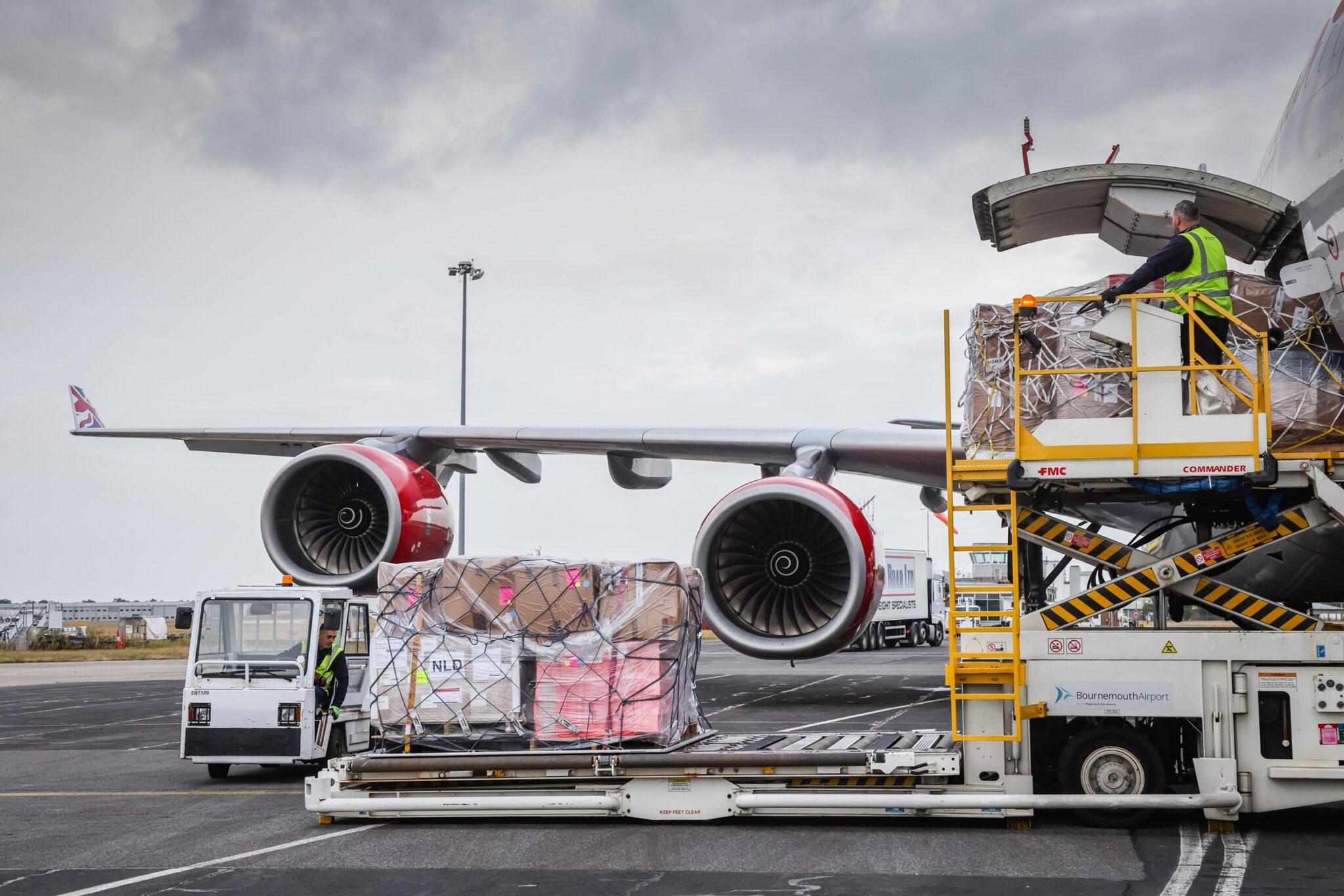
The anticipated growth in air traffic may also provide opportunities in addition to passenger transportation. Ways to diversify airport revenues can include air freight, warehousing, cargo handling, customs processing facilities and e-commerce infrastructure.
"There will be a need for investment for the development of these segments and there will have to be strengthened integration between airport infrastructure and logistics services.
The development of cargo-related activities can provide another source of revenue to the African airport operators, reinforcing their positioning in international trade networks. Better facilities for new cargo, efficient handling operations and improved customs infrastructure at airports can better serve freight operators and cross-border traders.
This would also boost the economic role of airports, turning them from passenger-processing centers into fully functioning logistics and commercial hubs.
“The potential for a huge expansion of the African aviation market in the coming decades means that being able to anticipate the need for infrastructure, attract investment and strengthen local operators will be vital. The expected growth in passengers is a huge opportunity, but this economic potential can only be realized if the continent is able to equip its aviation and logistics sectors adequately.
END OF REPORT