




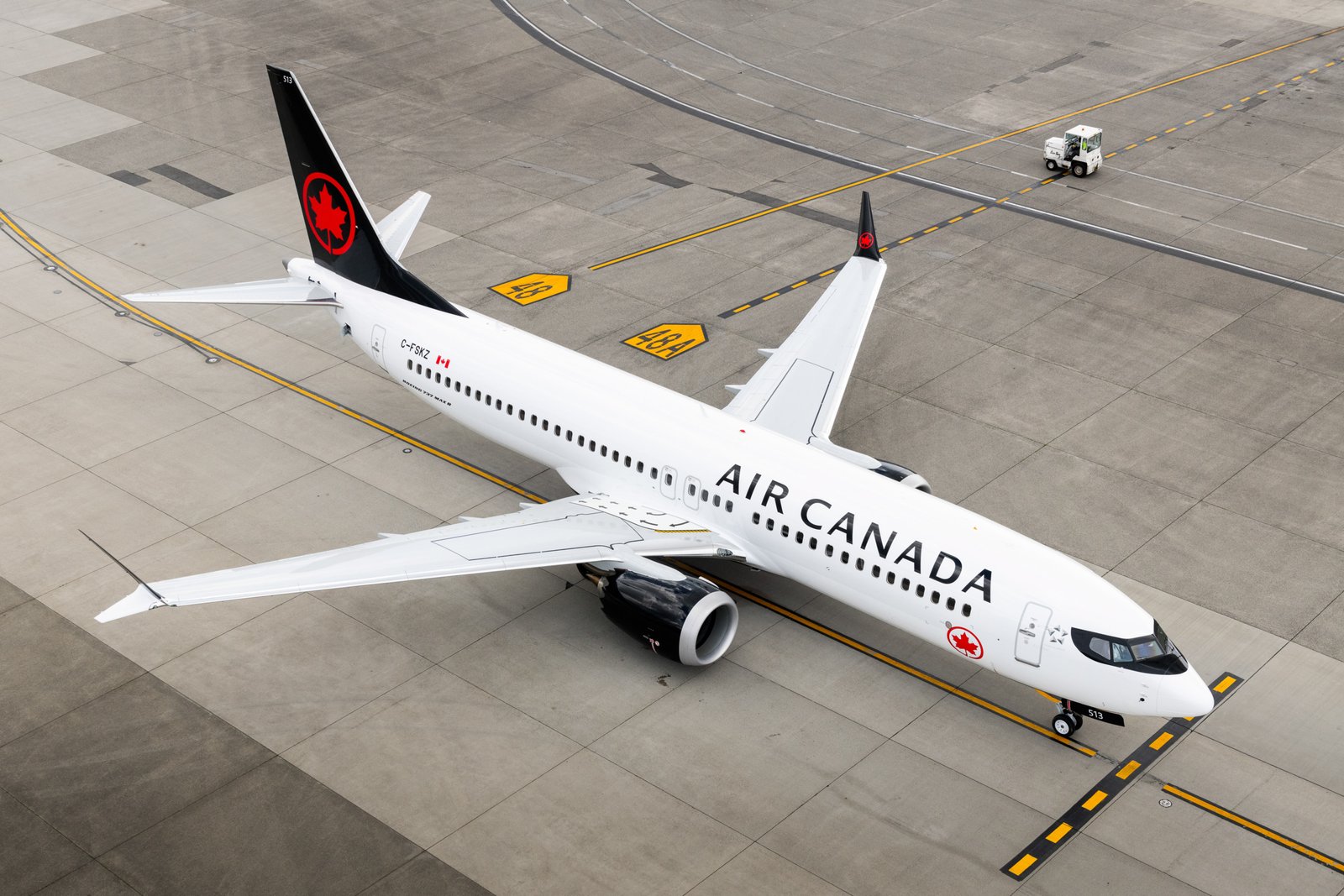
Air Canada is expanding its dedicated cargo network ahead of the winter season, introducing new freighter services from its Toronto global hub to Amsterdam in the Netherlands, Monterrey in Mexico and Panama City in Panama. The additions are designed to provide shippers with greater access to key international markets and more flexible routing options between Europe, Canada and Latin America.
According to a news release from Air Canada Cargo, the twice-weekly Amsterdam service will launch on October 29. The new route will complement the airline’s existing passenger operations to the Dutch capital, providing dedicated main-deck cargo capacity at a time when transatlantic capacity is expected to become more constrained.
The expansion also targets important manufacturing and distribution centres in Latin America. Air Canada will begin operating freighter flights to Monterrey on October 26, with three weekly services, while flights to Panama City are scheduled to start on October 25, with up to two departures per week.
These additions will give freight customers further options for moving shipments across the airline’s international network, including connections between Europe and growing Latin American markets.
Dedicated freighter capacity supports network expansion
Air Canada currently operates six Boeing 767-300 freighter aircraft alongside cargo operations carried on its passenger fleet. Dedicated freighters allow the airline to serve freight-intensive destinations even when passenger widebody services are reduced, helping maintain capacity on important trade lanes.
The Amsterdam launch is particularly significant in this respect. Matthieu Casey, Air Canada’s managing director of commercial – cargo, said the new service would strengthen the airline’s European network by providing dedicated main-deck capacity during a period of tighter transatlantic supply.
He added that the additional capacity would help the company better serve customers in the Netherlands and across Europe, while creating more opportunities to connect their shipments through Air Canada’s wider global network.
Casey also highlighted the combined impact of the new European and Latin American routes, explaining that services to Monterrey and Panama City would improve two-way connectivity between Europe and the airline’s expanding Latin American network. The enhanced connections will support access to markets including Quito, Lima, Bogotá and Mexico City.
Cargo revenue rises sharply in the first half
The network expansion comes as Air Canada reports substantial growth in its cargo business. For the second quarter ended June 30, cargo revenue increased by 28.4% year over year to $229.8 million. Revenue for the first six months of the year rose by 16% to $413 million.
Management attributed the improvement primarily to stronger cargo yields and favourable freight pricing conditions, particularly on international routes. Higher carrier surcharges also contributed to the increase.
Air Canada and other airlines have raised fuel surcharges on cargo shipments in response to the sharp rise in jet fuel prices following the outbreak of hostilities involving the United States, Israel and Iran in late February.
The company’s results also provide a point of comparison with major US competitors. Delta Air Lines and United Airlines, neither of which operates dedicated freighter aircraft, reported second-quarter cargo revenues of $294 million and $571 million, respectively. However, both carriers have substantially larger global widebody passenger networks than Air Canada, giving them a broader base for transporting cargo in passenger aircraft.
Mexico connectivity continues to grow
Beyond the three new destinations, Air Canada already serves Mexico City and Guadalajara with its cargo aircraft. The Monterrey launch will therefore extend an existing freighter presence in Mexico, while the Panama City service will broaden the airline’s reach into Central America.
Why it matters: Dedicated freighter aircraft give Air Canada greater flexibility to cover gaps in its passenger network, particularly at destinations with significant cargo demand. By adding Amsterdam, Monterrey and Panama City to its winter schedule, the airline is increasing available capacity on important trade lanes and creating additional connections between Europe, Canada and Latin America at a time when freight pricing and fuel costs remain key considerations for the air cargo industry.