Air Nov 27, 2026
AIR VEV Brings Its First Autonomous 120D Cargo Aircraft to the United States
The electric vertical takeoff and landing aircraft, capable of carrying approximately 550 pounds of cargo, will undergo flight demonstrations in Florida as the Israeli manufacturer expands its U.S. operations and advances its autonomous logistics ambitions.
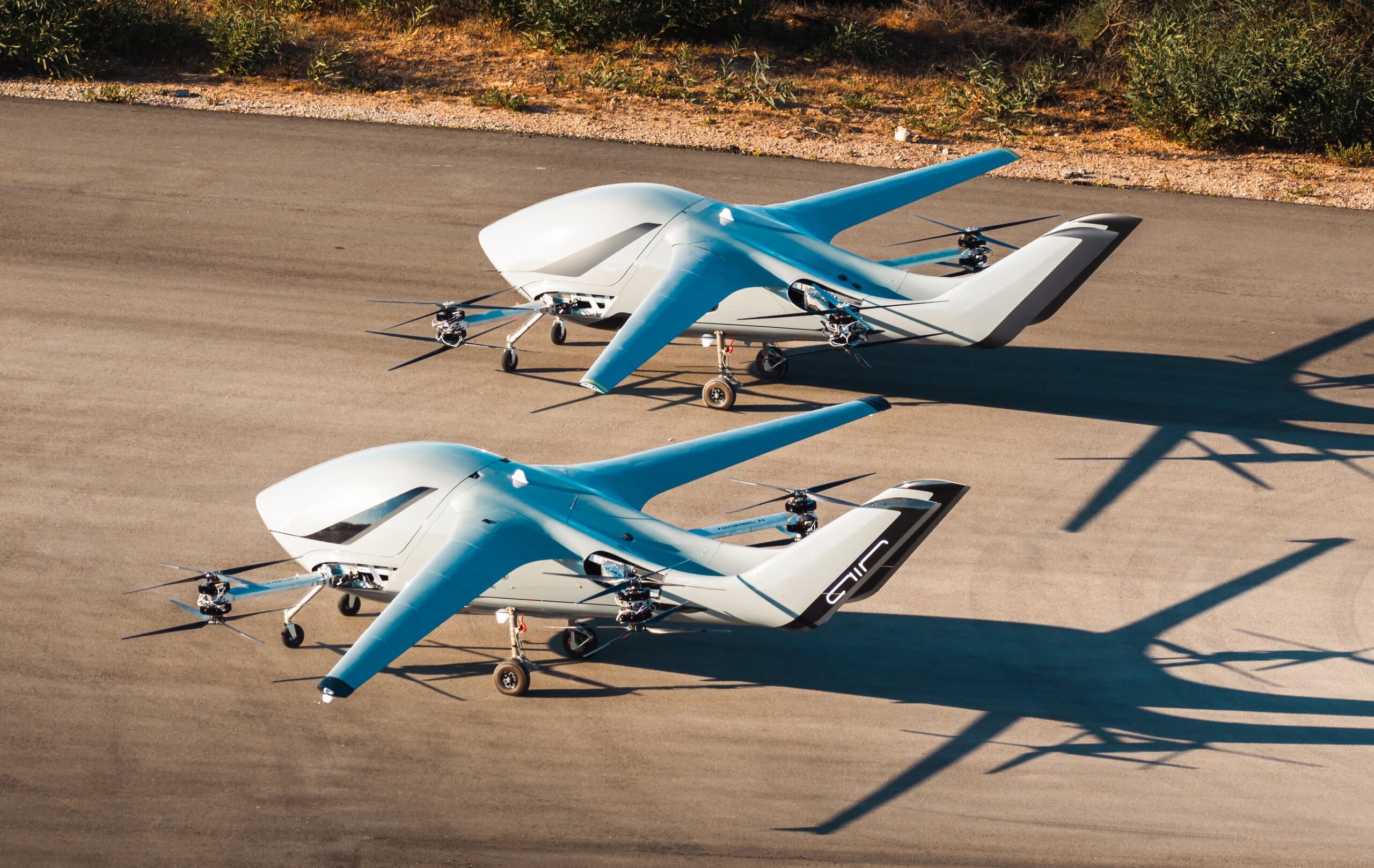
AIR, an Israeli aerospace and defense manufacturer, has made a major step in expanding its presence in the US market by delivering its first AIR 120D autonomous cargo plane to the United States. The plane landed in Florida in advance of a series of flight demonstrations planned at the company’s U.S. headquarters.
The AIR 120D is an electric vertical takeoff and landing (eVTOL) platform that can transport large cargo loads without the use of traditional runway infrastructure. Specifications on the manufacturer’s website show the aircraft has a 70-cubic-foot cargo compartment, with a payload capacity of about 550 pounds.
Its performance specs also include a maximum cruise speed of 132 miles per hour and an endurance of around one hour before it needs to be recharged. These capabilities make the aircraft suitable for applications that require flexible and relatively rapid transportation between locations with limited infrastructure.
Designed for logistics operations without traditional infrastructure
One of the primary operational advantages of the aircraft is that it has no runway requirements. AIR Chief Executive Officer and Co-founder Rani Plaut told Cargo Facts the platform is especially suitable for remote supply operations, maritime logistics, commercial mid-mile transportation and humanitarian missions.
The aircraft has a wing-borne cruising configuration that allows it to achieve more efficient forward flight, Plaut also said.
Besides commercial applications, the AIR 120D has been designed with the U.S. Department of Defense in mind. The company says the platform is designed to overcome logistical challenges in contested environments, especially in areas with limited infrastructure or supply lines that are difficult to reach.
Redundant power and propulsion systems
The two-seat aircraft is powered by eight motors, but the manufacturer says it only needs four to stay in the air. The architecture provides double propulsion redundancy and quadruple energy supply redundancy using four independent battery packs.
These design features aim to deliver enhanced operational resilience and underline the aircraft’s suitability for demanding cargo missions.
Two years of development and extensive flight testing
The AIR flight demonstrations in Florida on November 16 followed about two years of development work. The company says its testing program has included extensive validation of flight characteristics, propulsion systems and autonomous capabilities.
The platform has already flown hundreds of test flights, Plaut explained, allowing the manufacturer to evaluate its performance and continuously improve the aircraft, as well as its operating systems.
The delivery also builds on AIR’s partnership with the Florida Department of Transportation and the state’s investment in infrastructure to support advanced air mobility development.
“Bringing the AIR 120D to Florida is another key milestone in strengthening the company’s American operations,” Plaut said. The aircraft will be used for flight demonstrations, customer outreach and to establish AIR’s presence in the U.S. market. The company announced its Florida headquarters partnership in August.
Production progress and rising commercial demand
This latest accomplishment by AIR builds on a series of previous achievements in its cargo aircraft program. The producer announced the first flight of the production cargo configuration in April. The aircraft was already in full flight test mode in 2022 as part of its continuing certification process with the Federal Aviation Administration (FAA).
Demand for autonomous air cargo is growing in the commercial market, with the company having already received more than 25 orders for its heavy-lift cargo aircraft.
“There is growing demand for cargo solutions that can move large payloads without relying on traditional ground infrastructure or the need for a pilot onboard,” Plaut said.
AIR’s next order of business is to turn this interest into manufacturing and deliveries at scale, as it seeks to make autonomous cargo aircraft a viable option for logistics operators and other customers.
END OF REPORT