Air Nov 27, 2026
Norse Atlantic Moves Towards Bankruptcy as Financial Crisis Halts Operations
The long-haul low-cost airline has decided to seek bankruptcy protection after failing to secure the funding needed to address its immediate liquidity shortfall, leaving the future of its passenger and cargo activities uncertain.
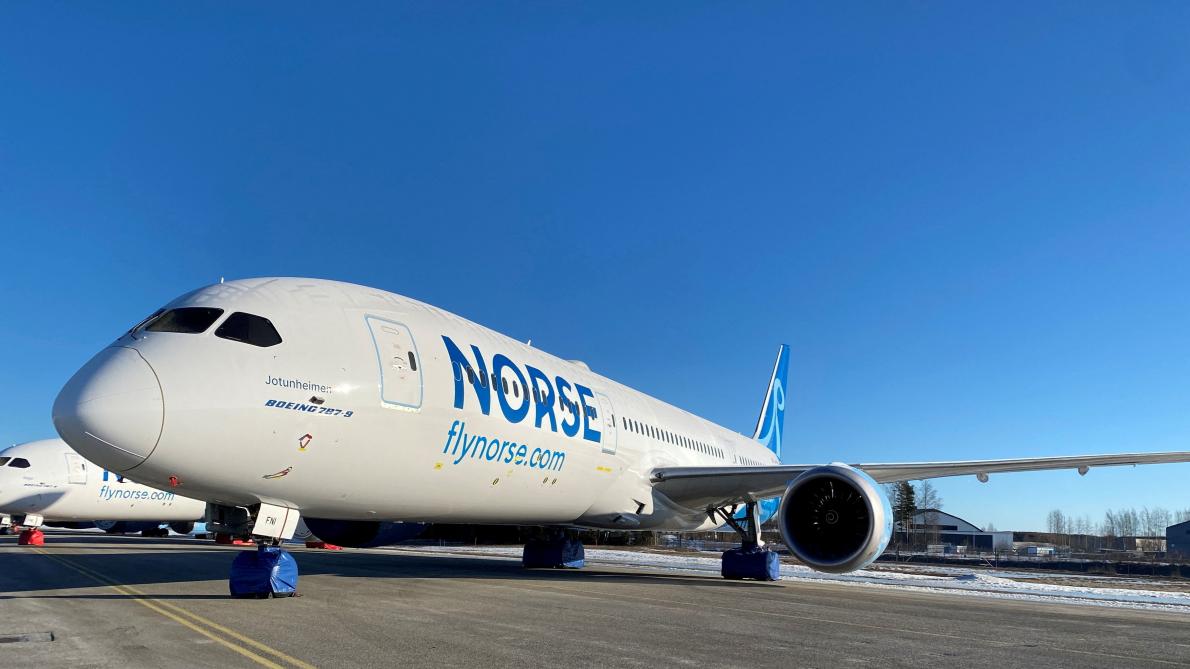
Norse Atlantic Airways is heading into bankruptcy after efforts to secure additional financing failed to resolve the airline's worsening financial difficulties. The company's board confirmed on 27 November that it had decided to file for bankruptcy, concluding that there was no longer a viable basis for maintaining its operations.
In a statement released on Friday afternoon, the board said the decision followed extensive attempts to find a financial solution for the company and the wider group.
Chief executive Eivind Roald acknowledged the seriousness of the situation and apologised to passengers, employees and business partners affected by the collapse.
He said the board had taken the difficult decision despite considerable efforts to identify a way forward. Meanwhile, the management teams and advisers representing the listed parent company, Norse Atlantic ASA, and its UK subsidiary are continuing to explore options that could allow the remaining parts of the business to survive.
The announcement follows the suspension of the airline's operations on 26 November, prompted by mounting financial pressure. The situation deteriorated further after aircraft lessors issued termination notices covering leasing agreements for all 12 Boeing 787-9 aircraft operated by Norse Atlantic.
Also, the future of cargo activities is uncertain
The airline’s financial problems cast a long shadow over the future of Norse Cargo, the airline's airfreight division.
According to the carrier’s summer schedule, Norse Cargo offered cargo capacity on routes between Athens, Rome Fiumicino, London Gatwick, Bangkok, Cape Town, Orlando and New York JFK.
In addition to its air freight network, the division operated road feeder services throughout Europe, Scandinavia, the United Kingdom and the United States. In the website of the company that were part of its commercial network are listed Kales, SkyXS, Air Logistics, Aviation Plus, HAE and AirCross as general sales agents.
The uncertainty over Norse Atlantic therefore goes beyond passengers and could affect freight customers, logistics partners and the wider network underpinning its cargo operations.
Structural problems make the low-cost long-haul model hard to sell
The airline’s problems have also raised questions about the financial viability of low-cost long-haul aviation.
The situation is “another illustration of the structural weaknesses of the standalone low cost long-haul business model”, said Vincent De Vroey, civil aviation director at aerospace association ASD.
Several airlines have attempted to do this sort of operation in the past, he said, but the economics of long-haul flying are very different to short-haul operations.
Airlines have far fewer chances to achieve the cost reductions that have helped low-cost carriers to succeed in short-distance markets, due to fuel consumption, aircraft ownership, maintenance, crew expenses and airport charges.
De Vroey also stressed the importance of premium passengers, especially in business-class seats, to make long-haul operations financially viable.
The rise in fuel costs hastened the demise of Norse Atlantic, but it was not the source of the airline’s financial woes, he said.
Leasing strategy fails to deliver expected turnaround
Earlier this year in 2026, Norse Atlantic tried to change its business model, with half of its fleet of Boeing 787s to be used to provide leased aircraft capacity to other airlines.
The strategy was aimed at driving more business through partnerships with other carriers. However, the leasing arrangements later fell apart, damaging the company’s attempts to stabilise its financial position.
The change of operating model also impacted the performance of the cargo division. Norse Atlantic’s cargo volumes fell 53.7% year on year to 3,776 tons in the second quarter.
Norse Atlantic has stopped operating, cancelled aircraft leasing contracts and failed to secure financing, and is in bankruptcy proceedings. Its remaining business activities, including its cargo operations, will be contingent on the parent company and its UK subsidiary finding a viable solution.
END OF REPORT