World Nov 4, 2026
Airforwarders Association urges Congress to strengthen federal action against cargo theft
Following the midterm elections, the industry group is pressing the House to incorporate the Combating Organized Retail Crime Act into the FY2027 National Defense Authorization Act, building on the legislation’s strong bipartisan support.
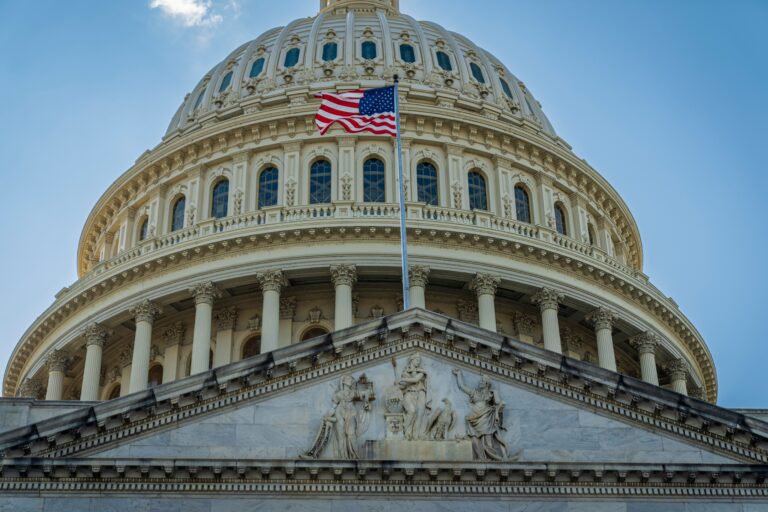
The Airforwarders Association (AfA) is urging the US House of Representatives to take the next legislative step in tackling organized cargo theft by incorporating the Combating Organized Retail Crime Act (CORCA) into the final Fiscal Year 2027 National Defense Authorization Act (NDAA).
The appeal comes as Congress resumes its work following the midterm elections. The annual NDAA, which establishes national defense and spending priorities, has frequently served as a legislative vehicle for advancing other initiatives that attract bipartisan backing.
For the AfA, the opportunity is significant. CORCA already secured substantial support in the House, passing by 348 votes to 60 in May. The association now wants lawmakers from both parties to build on that result and establish a coordinated federal response to organized cargo crime and freight fraud.
“Congress has already shown overwhelming bipartisan support for tackling organized cargo crime, and the job now is to turn that support into law,” said Steve Smith, Chief Executive Officer of the Airforwarders Association.
Smith highlighted the challenges facing freight forwarders, particularly as criminal organizations operate across state boundaries and take advantage of gaps between law enforcement jurisdictions. He argued that combating these networks requires continued cooperation between Republicans and Democrats, alongside stronger tools for authorities and legitimate businesses to identify and disrupt criminal activity.
A proposed federal coordination center
If enacted, CORCA would establish an Organized Retail and Supply Chain Crime Coordination Center within Homeland Security Investigations.
The proposed center would strengthen intelligence sharing and cooperation among federal, state and local law enforcement agencies, while also improving coordination with private-sector stakeholders. The objective is to address the fragmented response that can make organized supply chain crime difficult to investigate and prosecute.
The AfA says its members have already experienced the operational and financial consequences of these activities. Through direct engagement with industry stakeholders and policymakers, members have highlighted the impact of cargo theft, fraudulent pickups, carrier impersonation and identity fraud on freight forwarding businesses.
The association has also established a dedicated Cargo Theft Committee, bringing members together to exchange intelligence, identify weaknesses in existing processes and develop practical approaches to reducing criminal activity across the supply chain.
Industry calls for stronger law enforcement coordination
David King of AB&M Logistics, who chairs the AfA's Cargo Theft Committee, stressed that the growing sophistication of cargo-related crimes makes investigations particularly challenging when criminal operations extend across multiple jurisdictions.
“Forwarders are seeing how sophisticated these crimes have become and how difficult they can be to investigate when activity crosses jurisdictions,” King said.
He added that the freight industry can contribute valuable intelligence by sharing information about criminal activity observed on the ground. However, effective action also depends on law enforcement agencies having the capacity and coordination needed to respond.
CORCA therefore represents an opportunity to improve cooperation between the private sector and public authorities, while giving legitimate businesses a stronger federal partner in confronting organized cargo crime.
As Congress considers the final FY2027 NDAA, the Airforwarders Association is urging members to make the House’s earlier bipartisan vote into law. For the freight forwarding industry, the result could be a major step forward in a more co-ordinated national approach to cargo theft and freight fraud.
END OF REPORT