



A steep increase in jet fuel prices tied to the conflict involving Iran is pushing airlines into widespread schedule reductions, with disruption now visible across multiple regions.
Cirium data show that nearly 7 percent of all flights scheduled globally for Monday did not operate — more than 7,000 cancellations out of just over 104,000 departures. On the same day a year earlier, cancellations stood at 4.7 percent, or 4,797 flights from 102,132 departures.
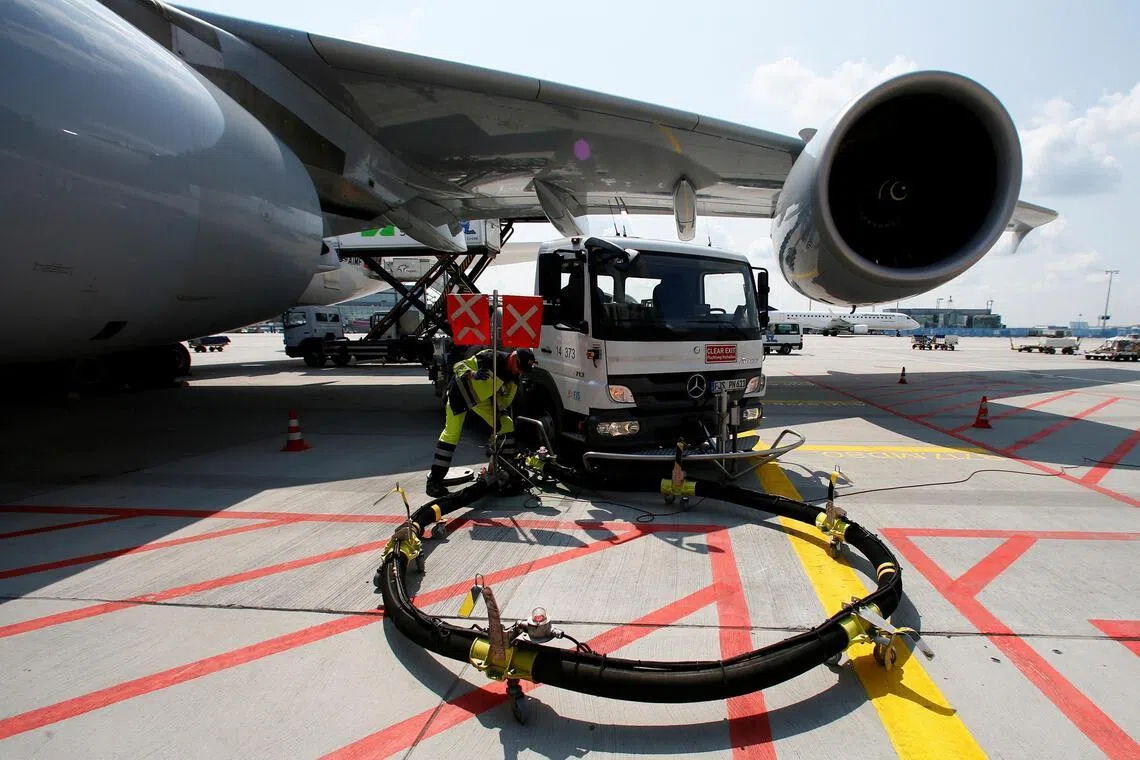
The main driver is fuel. Jet fuel that traded at US$742 per metric tonne a year ago has now climbed above US$1,710. The rise is linked to tighter supply conditions following the closure of the Strait of Hormuz, which carries roughly 20 percent of the world’s oil. Brent crude also surged, reaching US$116 a barrel in early Monday trading.
The issue is not just price. Jet fuel is more resource-intensive to refine than petrol or diesel, making it especially vulnerable when crude supplies tighten. That is raising the risk not only of higher costs, but also outright shortages. The UK, for instance, is reportedly due to receive its final jet fuel cargo from the Middle East in the coming days.
Airlines have already begun reacting. United Airlines has trimmed around 5 percent of capacity on weaker-margin routes, becoming the first major US carrier to respond directly to fuel inflation. Chief executive Scott Kirby warned that if oil stayed at current levels, United would face an additional US$11 billion in expense and would need fares to rise 20 percent just to break even.
Elsewhere, Air New Zealand is removing 1,100 flights through early May, while SAS is preparing to cut 1,000 services next month, mainly on domestic routes. Vietnam Airlines has warned it may need to reduce flights by 10 to 20 percent per month over the next quarter if jet fuel rises to US$160–200 a barrel. That would affect up to 18 percent of its international schedule and more than a quarter of domestic operations.
The pressure is being compounded by direct operational disruption in the Middle East. British Airways, Air France-KLM and Lufthansa are among the airlines that have suspended or cancelled services in the region.
North America has seen the sharpest deterioration, with 14.6 percent of departing flights cancelled on Monday, compared with 4.4 percent a year earlier. The wider picture is of an industry dealing simultaneously with fuel shock, network disruption and the risk of sustained cost inflation.