Air Nov 10, 2026
Amazon’s A330 Freighter Fleet Set for Significant Expansion Through 2031
Following the entry into service of its first directly owned A330-300 freighter, Amazon is positioned to more than double its fleet of the aircraft type over the next five years, reinforcing its air cargo capacity.
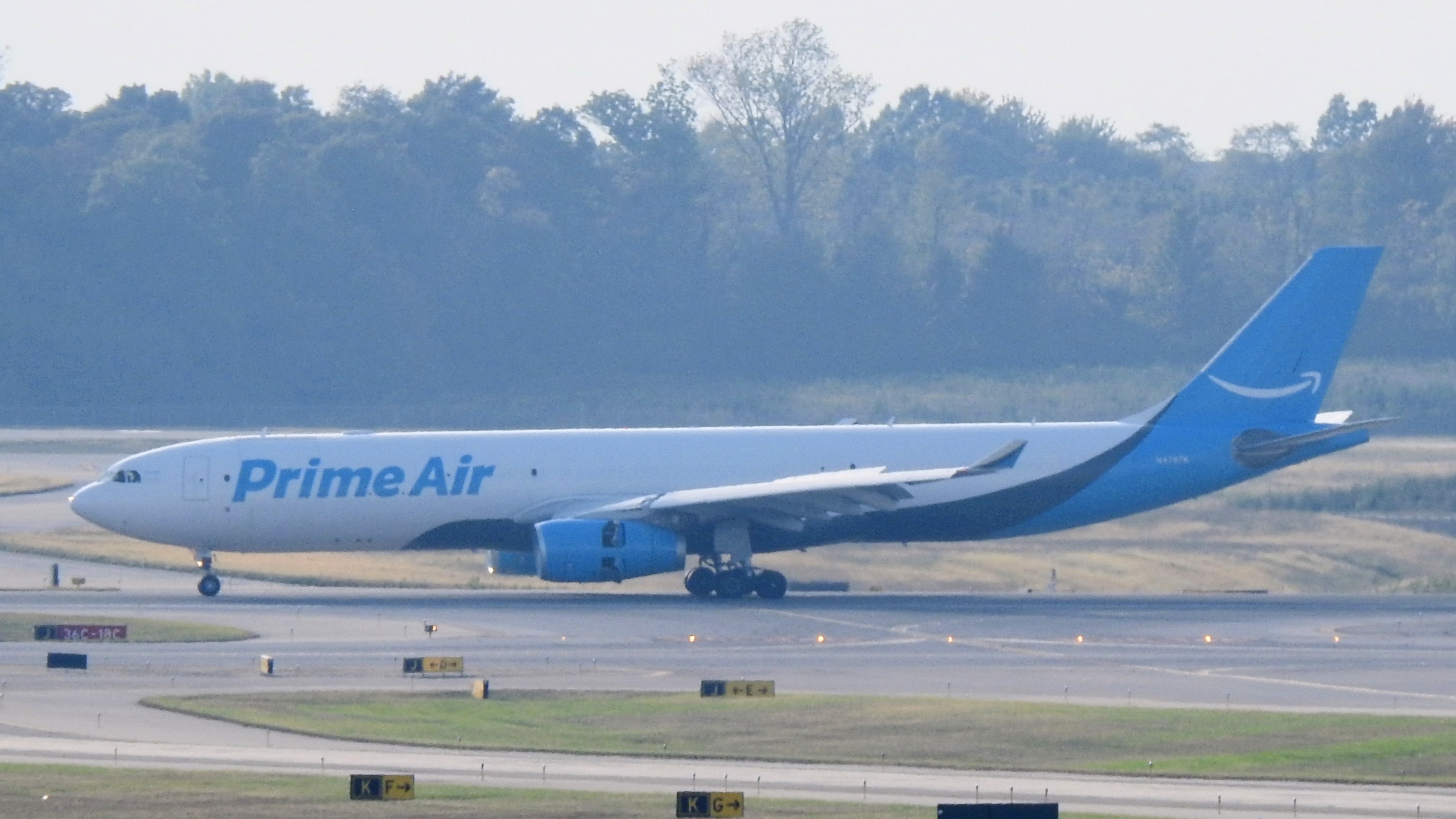
Amazon’s investment in widebody freighter capacity could accelerate considerably over the next five years, with the company’s A330 fleet potentially doubling as it continues to develop its air cargo operations.
The outlook for expansion comes as Amazon has taken a major step in its fleet strategy with the entry into service of its first directly owned Airbus A330-300 freighter. This milestone strengthens the company’s position in the widebody cargo segment and opens the door to a much larger A330 operation.
Amazon already has 11 A330 freighters in its existing fleet. That number could more than double in the next five years, according to the expected growth, a notable development in the evolution of Amazon Air.
Another sign of the importance of larger-capacity aircraft to Amazon’s air cargo network is the increasing use of the A330 freighter. The A330 will join the company’s existing fleet of Boeing 737-800F and 767-300F aircraft to provide additional widebody capacity to meet the company’s cargo transportation needs.
This development is particularly significant as Amazon is shifting away from relying solely on aircraft capacity that it either operates or sources externally, and is now incorporating directly owned A330 freighters into its fleet.
The aircraft is an A330-300F, a widebody freighter platform tied to Airbus’ A330 family and conversions backed by engineering and conversion specialist EFW.
While the exact pace and scale of future deliveries are still important considerations for determining the final fleet size, the prospect of more than doubling the current A330 fleet highlights the potential scale of Amazon’s long-term commitment to this aircraft type.
For air cargo, such a move could further cement Amazon’s status as a big player in dedicated freighter capacity and add another layer to the company’s wider fleet strategy.
Amazon is taking its widebody freighter operations to the next level, with eleven A330 freighters already in its fleet and its first wholly owned aircraft now in service.
END OF REPORT