Land Nov 9, 2026
Aurora pushes back truck production targets after supply and quality setbacks
A six-week delay linked to material shortages and component quality problems has slowed Aurora Innovation’s production ramp-up, although the autonomous trucking company remains confident it will build more than 1,000 trucks by the end of 2027.
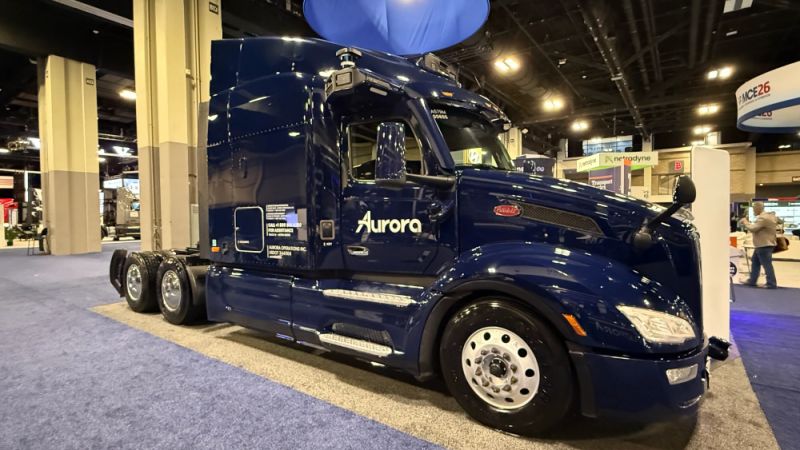
Aurora Innovation runs into unexpected hurdles scaling production on its self-driving trucks, delaying its manufacturing timeline by six weeks from initial projections. Ramp-up has been disrupted by material shortages and component quality issues and the company has had to work through reliability problems before it can accelerate output.
Executives talked about the problems on Aurora’s third-quarter earnings call Oct. 28. Chris Urmson, CEO, acknowledged that the setbacks were not expected and said the company had chosen to focus on the quality of the parts rather than proceed with components that did not meet its stringent reliability standards.
Aurora is still holding onto its longer-term production ambitions despite the delay.
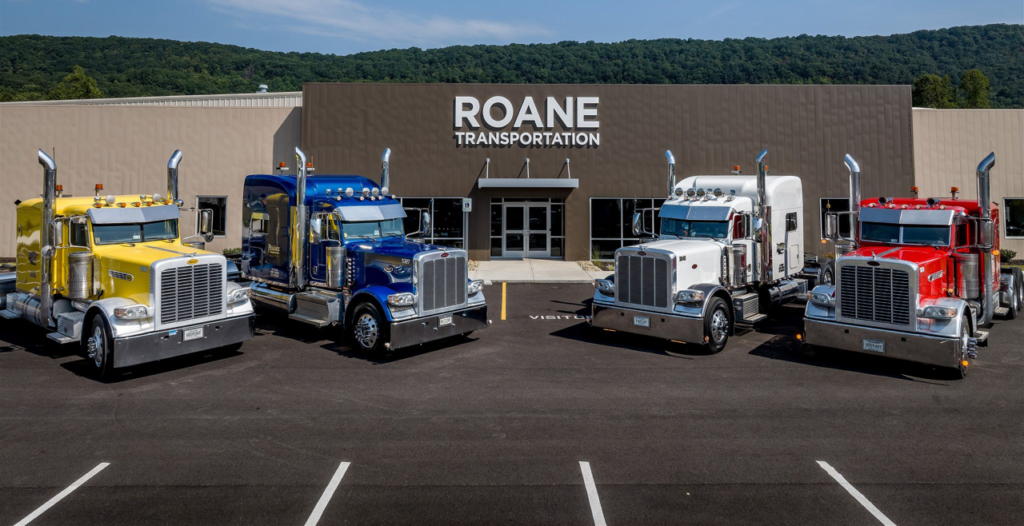
Roush had planned to ramp up production
Aurora is working with vehicle upfitter Roush to ramp up manufacturing. By early December, the two companies want to be producing 20 trucks per week, across two shifts.
The next milestones are to complete 200 trucks by February, and then to expand the fleet to more than 1,000 vehicles by the end of 2027.
These targets remain a key focus for Aurora as it prepares for expanded commercial deployment of its driverless trucking technology.
Second generation hardware shows the difficulties of manufacturing
The slowdown is part of Aurora’s transition to higher-volume production of its trucks on its second-generation hardware platform, which it unveiled in July. The new architecture was designed to provide the technical base to increase production capacity and to meet growing customer demand.
According to Urmson, initial vehicles assembled ahead of the company's September 23 investor day had shown promising results. However, challenges appeared as production increased from the initial builds and production volumes.
Aurora announced its ambitious 2030 goals at the investor event, including a fleet of 30,000 autonomous trucks and $5 billion in annual revenue.
Then the company mobilized its teams to solve the manufacturing problems. Urmson said a lot of work had gone into fixing the problems and pointed to the improvements that had been made along the way.
Alternative suppliers for better component reliability
As part of its response, Aurora has also reassessed its supply chain, identifying alternative suppliers to support its new truck platform.
One example is wire harnesses. “Aurora is looking to offshore production to a supplier with better manufacturing capabilities,” said CFO David Maday.
The company stressed the challenges were not so much about the prices of components. “The challenge has been ensuring the individual pieces are the right fit for the technical specifications of the second-generation platform.”
Maday said the corrective measures are not expected to add to costs. In several cases the changes have been cost neutral and may even result in cost savings, particularly from less rework and improved component quality.
This is in line with Aurora’s aim to make its manufacturing process more reliable before it ramps up production.
We expect a $250 million cash outlay in Q4
Aurora also is making plans for big spending as it keeps growing its autonomous trucking business.
The company expects to burn $250 million of cash in the fourth quarter as it continues to invest to increase production and grow its fleet of driverless trucks.
Manufacturing is being slowed temporarily by supply constraints and quality-control issues, but Aurora is still targeting a fleet of more than 1,000 trucks by the end of 2027.
Therefore, the coming production milestones will be critical for the company’s ability to catch up on lost time and deliver on its longer-term ambitions for autonomous freight transportation.
END OF REPORT