
Customs Nov 13, 2026
Bipartisan Momentum Could Put New Limits on Trump’s Tariff Powers
Three proposed bills in the U.S. Congress could significantly curb presidential authority over import duties, giving lawmakers a greater role in trade policy. Trade experts say growing dissatisfaction among businesses and consumers could create opportunities for cross-party support and changes to the current tariff framework.
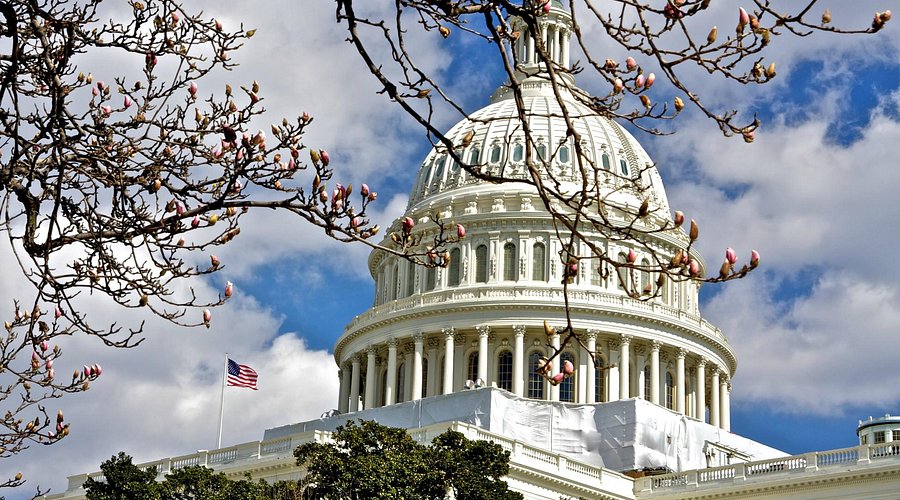
Mounting opposition to the economic costs of President Donald Trump’s tariffs may give U.S. lawmakers a chance to reexamine the division of power over trade policy. Democrats will take control of Congress next year, and businesses are being advised to watch for changes in legislative developments that could affect the administration’s ability to impose import duties.
Trade lawyers say bipartisan efforts to shore up congressional oversight could find a receptive audience, especially as companies grapple with costs related to tariffs.
Under current law, the president has considerable authority to set tariff rates through sections 232, 301 and 338. These provisions have been at the heart of many of the administration’s trade actions.
Section 232 has been used to impose 50 percent tariffs on steel and aluminum imports from Canada and Mexico. Under Section 301, the administration imposed 10% or 12.5% tariffs on imports from 60 trading partners. Section 338 has also been used as the legal basis for levying tariffs as high as 50% on a broad array of Canadian products.
So far, Congress has done little to challenge these measures, but three legislative proposals could change that.
Mark Ludwikowski, chair of Clark Hill’s International Trade Practice, said businesses should watch two Senate bills, S. 5390 and S. 1272, and House bill H.R. 7557, as potential initiatives. Two of the proposals are bipartisan and would severely limit presidential powers over tariffs.
Ludwikowski said these legislative efforts also could give Congress extra leverage to urge the administration to take a more flexible approach to trade policy.
Three legislative proposals confront presidential tariff power
The first bill, S. 5390, or the End Trump’s Tariff Tax Act, repeals Section 338 and removes the tariffs on Canadian goods that were imposed as a consequence.
The duties followed a finding by the Trump administration that Canada had discriminated against U.S. commercial interests in its treatment of American alcoholic beverages, dairy products and motor vehicles.
The bill would also require the U.S. Customs and Border Protection (CBP) to refund covered duties, including interest, to affected importers within 30 days of enactment of the legislation.
The proposal, introduced September 14 by Sen. Chuck Schumer, D-New York, directly challenges one of the legal mechanisms used to impose tariffs on imports from Canada.
A second measure, S. 1272, the bipartisan Trade Review Act of 2025, would strengthen congressional oversight of presidential trade decisions.
The bill, introduced April 3, 2025, by Sen. Maria Cantwell, D-Wash., has six co-sponsors, including Republican Sen. Chuck Grassley of Iowa.
Its provisions would require the president to notify Congress within 48 hours of imposing or raising a tariff. The notice would have to explain the basis for the measure and evaluate its potential impact on American businesses and consumers.
The proposed legislation also would cap such tariffs at 60 days. Congress would have to pass legislation to extend them and the president would have to sign it into law, or they would expire automatically.
The third is H.R. 7557, the bipartisan Respect NATO Allies Act. The bill, introduced Feb. 12 by Reps. Linda Sánchez, D-Calif., and Mike Turner, R-Ohio, would limit the president’s ability to introduce new trade restrictions against NATO allies without congressional approval.
The measure would require both houses of Congress to approve certain restrictions before they could go into effect. It would typically include new or higher tariffs, as well as reductions in import quotas and tariff-rate quotas.
The proposed requirements would not involve antidumping or countervailing duties.
A Democrat-controlled Congress could put more pressure on the administration
But it is unclear how likely they are to become law. Which measures will advance remains to be seen, and whether they will attract enough support or whether Congress could muster the necessary two-thirds majority to override a presidential veto.
Still, trade experts say there is growing political space for Democrats and Republicans to work together.
“We have seen complaints from businesses that are in Republican constituencies,” said Jonathan Todd, co-lead of the transportation and logistics practice at law firm Benesch. And companies facing higher prices from tariffs are putting more pressure on their representatives.
Todd argues that trade and tariff policy has a greater bipartisan dimension than is generally acknowledged. He also pointed to the opportunity for change as the current Congress concludes and a new legislative session commences, citing the dissatisfaction among businesses and the general public with the current direction of US trade policy.
A Democratic-controlled Congress could boost its clout by tightening its control of trade negotiations, even without directly amending existing tariff laws.
“Lawmakers could have hearings to examine the administration’s negotiations and decisions,” said Blake Harden, managing director in the Washington Council practice at EY. They could also use the federal appropriations process to demand more transparency, or to push for changes in how the administration does its work.
Harden pointed to Congress’s control of public spending as a potential lever of influence, saying lawmakers could use the power of the purse to shape what the administration does.
How businesses can gear up for potential tariff changes
Trade lawyers are advising companies not to wait for Congress to act to assess their exposure to tariffs, even as the outcome in Congress remains unclear.
Some companies are already taking precautions to protect their supply chains and respond to potential changes in trade policy.
Ludwikowski recommends identifying products impacted by current tariffs, consulting customs classifications with brokers and determining whether specific products qualify for exemptions or exclusions. They should also keep detailed records of expenses related to tariffs and how those expenses impact sales.
Todd says companies need to factor in tariffs in their landed-cost calculations and keep track of customs compliance requirements.
He also suggests looking at opportunities for tariff-free finishing or light manufacturing in the United States. Additionally, companies ought to meticulously map their supply chains to determine the origin of goods and the inputs subject to import duties.
Businesses face a period of uncertainty as three legislative proposals could reshape the relationship between the White House and Congress on trade matters. But the increasingly heated political debate indicates that presidential tariff authority may become a target for increased congressional scrutiny in the months ahead.
Importers, manufacturers and logistics operators will still need to keep an eye on legislative developments, while improving customs compliance and supply chain visibility.
END OF REPORT


