Business Nov 20, 2026
Cal-Maine suspends operations at Florida facility following avian flu outbreak
The US egg producer plans to cull approximately 1.76 million birds after detecting avian influenza at one of its Florida sites. The outbreak comes as the egg market faces excess supply, falling consumer prices and renewed pressure on production planning.
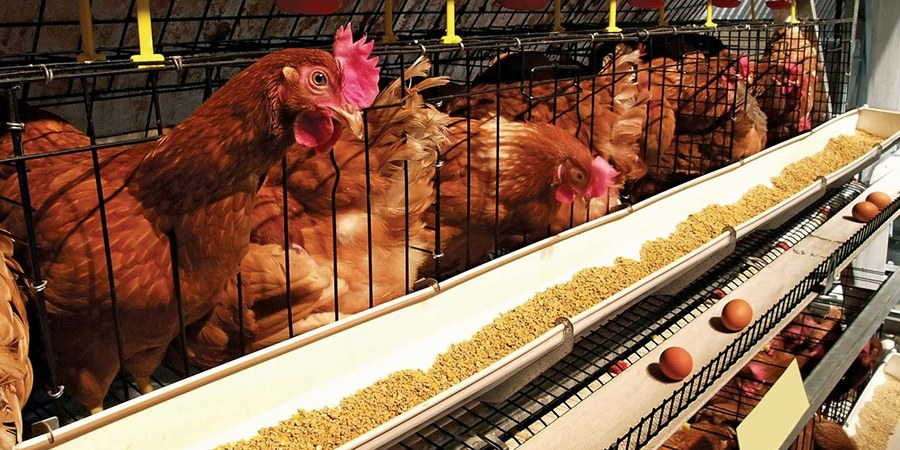
Cal-Maine Foods said it temporarily stopped egg production at a Florida plant after confirming a case of highly pathogenic avian influenza. The company also announced it will kill about 1.76 million birds to contain the outbreak and minimize any potential impact on operations.
The affected flock includes around 1.4 million laying hens and 360,000 pullets, representing roughly 2.7% of Cal-Maine’s total bird population.
The company will attempt to link production and distribution across its sites to guaranty supply continuity. The company expects that its geographically diverse operating network will afford the flexibility to address the disruption and protect its distribution capabilities.
An outbreak in a saturated egg market
The latest detection comes more than four years after highly pathogenic avian influenza disrupted commercial poultry production on a wide scale and sent egg prices soaring to record highs.
Since then, producers have rebuilt their flocks, put stricter biosecurity protocols in place, and prices have fallen dramatically. Egg prices fell to $2.32 per dozen in October 2026 from a record average retail price of $6.23 per dozen in March 2025.
The threat of bird flu, however, remains. Since August, the virus has been found in 33 commercial poultry flocks, the US Department of Agriculture (USDA) said. The spread has moved beyond poultry too with dairy cattle affected in 2024. Over the past 30 days, a cluster of livestock cases has been reported in the Pacific Northwest.
A larger resurgence could eventually lead to supply disruptions, but Cal-Maine executives said in October that the industry was better positioned to deal with the disease. The more pressing issue for producers now is the oversupply of eggs available on the market.
“Current supplies are outpacing a relatively strong consumer demand,” said Sherman Miller, president and CEO of Cal-Maine Foods, on an earnings call.
Prices, profitability weighed down by supply-demand imbalance
This difference between production and market demand has caused large fluctuations in retail egg prices and the economic well-being of producers.
Prices peaked in April 2025 when Cal-Maine saw a significant jump in profitability. It made more than three times as much profit in the same period as last year.
Since then, things have changed. Eggs were getting cheaper, and the company was under pressure. Cal-Maine Foods reported its consolidated gross profit declined 100% for the quarter ended August 29.
The persistent threat of avian influenza also complicates production forecast. The seasonal migration of wild birds increases the risk of outbreaks, making it harder for producers to decide how many birds to raise and how to keep production in line with market demand.
Miller knows the industry's challenges and said it has been particularly hard to follow normal flock replacement cycles in recent years.
Diversification is a strategic focus.
In addition to managing the fallout from the outbreak, Cal-Maine is also expanding its business in other areas to reduce its dependence on the ups and downs of the conventional egg market.
The company has been expanding its prepared foods business through acquisitions, including frozen waffle maker Van’s and crepe maker Crepini.
The strategy is expected to substantially increase its production capacity in the prepared foods segment. Cal-Maine expects capacity to be more than 60% higher by the first half of 2028 than at the end of fiscal year 2026.
The group intends to leverage its existing knowledge in the eggs and protein space to expand its business into a wider range of products, customers, distribution channels and consumer occasions.
“The strategy is to build on Cal-Maine’s expertise in eggs and protein into a broader portfolio that would enable the company to diversify sources of income and cement its presence in the food space,” Miller said.
END OF REPORT