Business Nov 17, 2026
Canada Extends Tariff Relief Until 2028 and Broadens Eligibility Beyond Steel Imports
Ottawa is giving Canadian businesses another year of tariff relief while expanding exemptions to additional sectors, including mining, oil and gas, education and food packaging. At the same time, the government plans to phase out relief for products that can be sourced domestically.
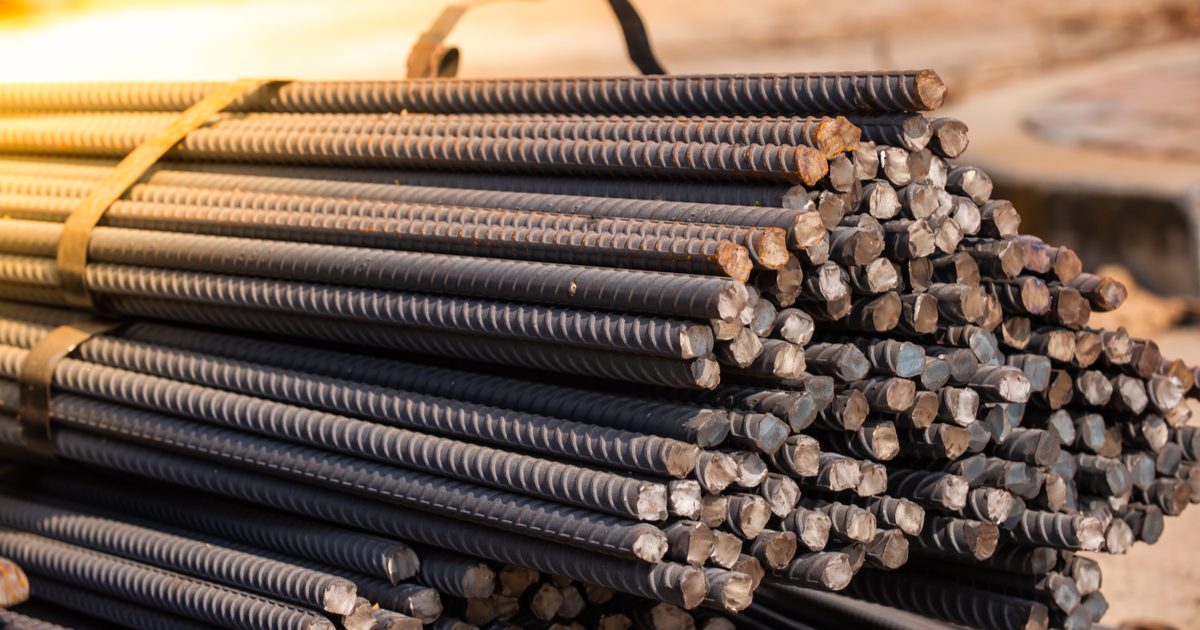
Canada's federal government is renewing its temporary tariff remission program for one more year, and also updating the list of goods eligible for relief. The changes are aimed at softening the impact of retaliatory tariffs on Canadian businesses importing goods from the U.S., and to promote a gradual shift to domestic sources.
The program was launched in the early days of the Canada-U.S. trade dispute to assist companies dealing with the additional costs of Ottawa's retaliatory measures against U.S. imports. The government has repeatedly extended the scheme and changed its scope since its launch, to give firms more time to find alternative sources of supply, particularly in the case of steel products.
The latest decision pushes back the date when the program is set to expire by one year from June 30, 2027, to June 30, 2028. It will also extend its coverage to certain non-steel products used in mining, quarrying and oil and gas extraction.
Additional exemptions will apply to goods required by public education institutions, including organizations that operate under mandates set by Indigenous groups. Also qualifying are products deemed necessary to national security and public health, as well as some packaging materials utilized in the agricultural, food and beverage industries.
The extension comes amid Canada's imposition of retaliatory tariffs on American steel and aluminum imports. Ottawa stepped up its trade retaliation in September when a new round of U.S. tariffs were imposed, with counter-tariffs on a range of American goods now between 15 and 50 per cent.
But the federal government also is taking steps to limit the remission program when Canadian alternatives are considered available and reliable enough. The goal is to decrease reliance on suppliers in the U.S. and to encourage companies to buy more goods made in Canada.
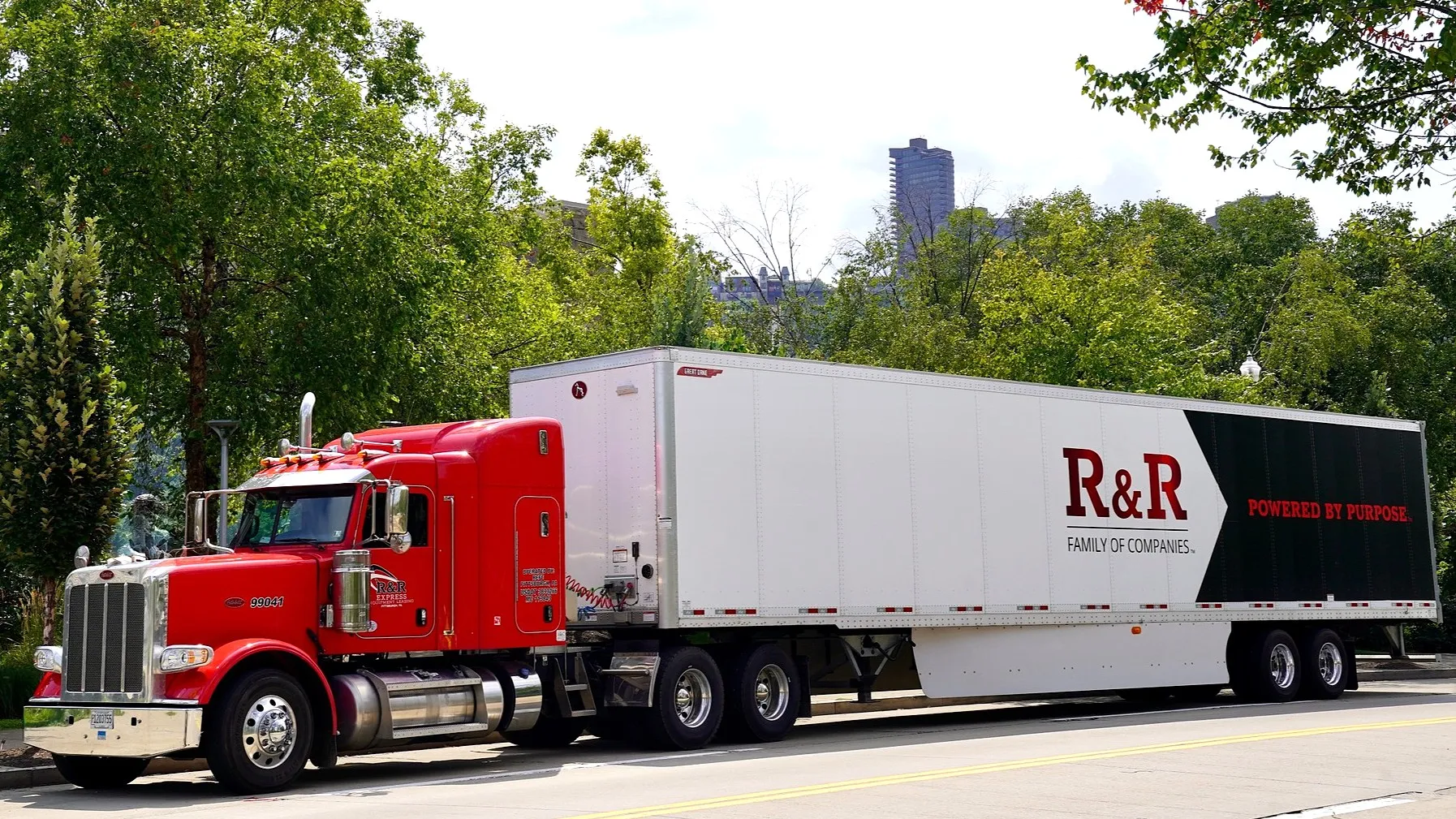
Many products are therefore expected to lose their exemption status. Effective December 1, 2026, some trailers will be discontinued from the program. Aluminum wire, aluminum extrusions and paperboard products will be next on February 1, 2027.
The Canadian Steel Producers Association has previously criticized the government’s approach. The industry group has said tariff relief would reduce the incentive for companies to switch to Canadian suppliers and could dampen demand for domestically made steel.
But Canada-U.S. Trade Minister Dominic LeBlanc said the extension and tweaking of the measures struck the right balance between immediate business support and longer-term industrial goals.
“The extension will allow Canadian companies to continue to receive the help they need while promoting greater reliance on Canadian-made goods and services,” LeBlanc said in a media statement.
The revised program is an example of Ottawa's attempts to manage the economic fallout of the ongoing trade dispute without abandoning its goal of building stronger domestic supply chains.
END OF REPORT