Business Nov 10, 2026
Canada Goose weighs tariff-driven price adjustments as supply chain strategy limits US impact
The Canadian luxury apparel maker reduced its exposure to new US import duties by accelerating shipments ahead of their implementation, but the company expects to reassess its pricing policy in April 2027 amid persistent trade uncertainty.
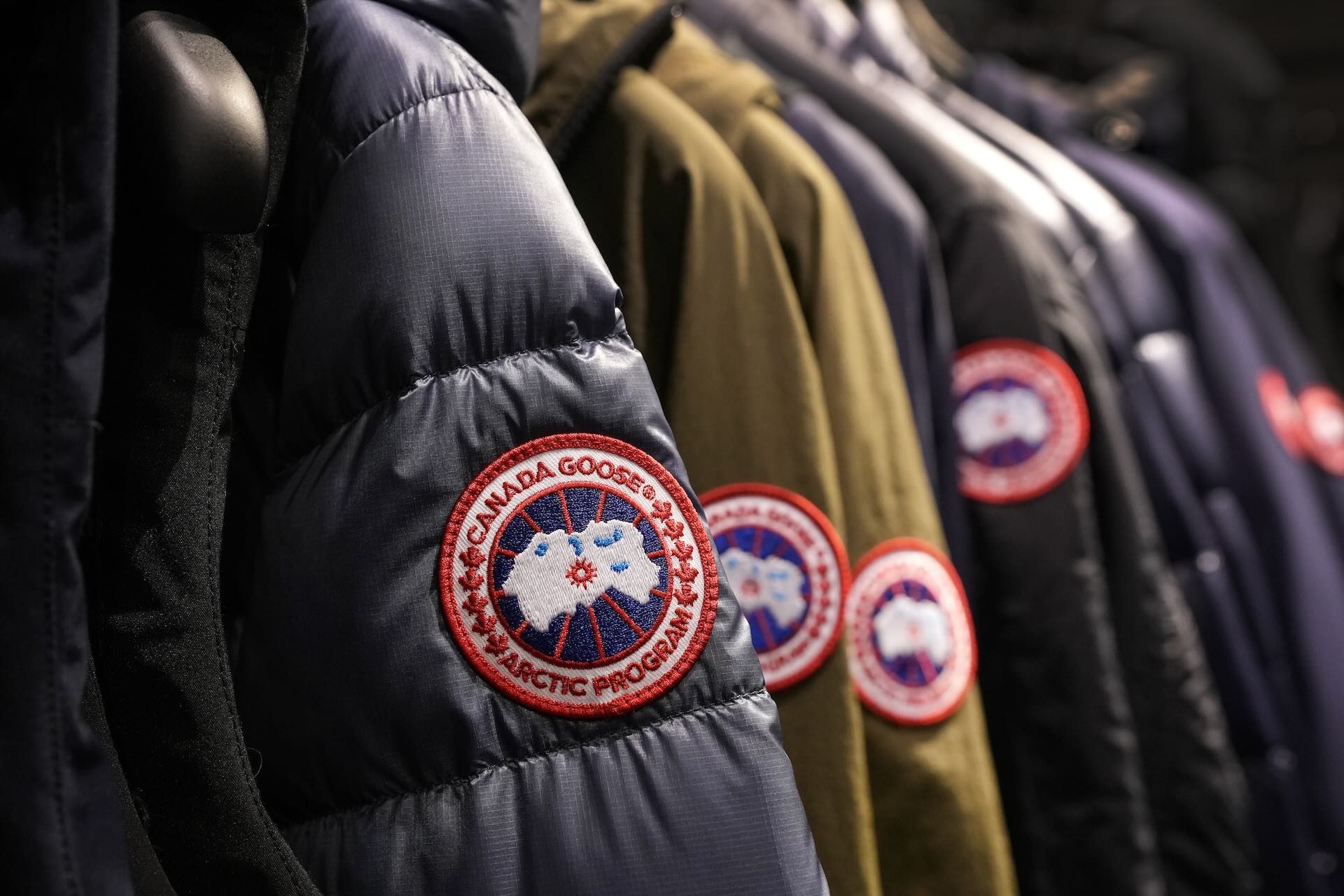
Canada Goose said it will reassess its pricing strategy next year as it continues to contend with the financial impact of higher US import tariffs. So far, the Toronto-based luxury apparel maker has managed to soften the blow of the new duties by accelerating shipments of goods into the U.S. market before the additional charges took effect in August.
When the United States imposed 50% tariffs on many key imports from Canada in July, the company quickly revamped its logistics operations. “We made a concerted effort to bring merchandise across the border before the new duties became effective one month later,” said CFO Neil Bowden.
That strategy enabled the company to benefit from duty-free entry until mid-August, cutting its immediate exposure to the new trade measures. The ability of the company’s supply chain and logistics teams to react quickly to the changing trade landscape was also a factor, said Bowden.
In an interview with CFO Dive, he said the supply chain and logistics teams are “pretty agile.”
This operational flexibility also helped Canada Goose to mitigate the anticipated impact of U.S. tariffs on its earnings before interest and taxes (EBIT) margin. The company now estimates the impact at approximately 100 basis points, or about C$10.6 million.
This figure represents a more limited exposure than was initially expected. Bowden, on the company’s fiscal second-quarter 2027 earnings call last week, said the expected impact had previously been estimated at less than 200 basis points.
Pricing decisions stalled by tariff uncertainty
Canada Goose has not yet raised prices in response to new US import duties, even as it has implemented measures to protect its financial performance. Generally, the company reviews its pricing once a year, in April, at the start of its fiscal year.
This year, the business has therefore absorbed the additional tariff costs, with prices remaining unchanged.
Bowden said the company plans to look at pricing structure next year but no final decision has been made. The assessment will depend on a number of factors, most notably consumer spending conditions and how long the additional tariffs stay in place.
“Obviously we’ll look at pricing next year as we normally do,” he said, adding the company is not yet in a position to determine what those adjustments might be.
The challenge will be to balance higher operating costs with the consumer’s willingness to pay a premium for products. Canada Goose already has a foothold in the high-end apparel market, with some women’s luxury down coats listed on Nordstrom’s website ranging from about $950 to $1,700.
From winter outerwear specialist to all-season retailer
Tariff exposure is just one of the issues Bowden has had to grapple with since his appointment as CFO in 2024. He joined Canada Goose more than a decade ago from KPMG, one of the Big Four accounting firms, having worked on the financial side of a company undergoing significant commercial and strategic transformation.
Bowden, whose leadership style he describes as a mix of data-driven decision making and personal commitment, said he feels lucky to be in the business. But he also admitted that unlocking all of the potential of the brand remains a big challenge.
Canada Goose has historically established an international reputation for its luxury parkas, lightweight down jackets and vests. Now it wants to broaden its appeal with a wider product offering that will include T-shirts, knitwear and rainwear.
The intention is to have a bigger presence all through the year instead of being heavily dependant on the seasonal demand for winter clothes.
Also its distribution strategy has changed a fair bit. About ten years ago, when Bowden joined the company, sales were almost exclusively wholesale-oriented, focused primarily on North America and a fairly limited product line, particularly parkas.
Today, Canada Goose has expanded its direct-to-consumer business and its own retail stores and e-commerce platform make up a significant part of revenue.
This diversification offers the company further commercial avenues and supports its ambition to become a wider international luxury lifestyle brand.

Revenue growth covers deeper operating losses
The trade tensions also come with financial and operational pressure for Canada Goose as it enters a key period for seasonal sales.
For the quarter ended Sept. 27, the company posted revenue of 274 million Canadian dollars, an increase of 5.9% from the same period last year.
But its operating loss increased to 21.6 million Canadian dollars, from 17.6 million Canadian dollars in the same quarter last year.
The fall was mainly on account of higher selling, general and administrative (SG&A) expenses but was partially offset by better gross profit, the company said.
Ike Boruchow led Wells Fargo analysts who described second quarter performance as mixed. Analysts noted continued weakness in October as warmer weather delayed seasonal purchases, though management maintained its full-year outlook.
The move could add to pressure on the company's execution during the critical holiday shopping period.
Improvements in gross margins were also cited by the analysts as partial support, but they warned that the translation of those gains into overall financial performance was a key risk when considering softer sales and growing tariff exposure.
Trade policy still not in company’s hands
Bowden expects that tariffs will remain a structural consideration for the apparel industry looking forward, regardless of the markets in which companies are operating.
He is not banking on a rollback of tariffs as part of the company's strategy. "But he admitted that the U.S. midterm elections on Nov. 3 could provide an opportunity for a change in trade policy and some easing of tariffs.
Right now, Canada Goose is concentrating on things it can control, primarily operational efficiency, internal execution and the performance of its people.
“Political developments are outside the company’s control,” Bowden said. “The company’s priority is to operate as effectively as possible while adapting to any future changes in the trade environment.”
"Net net, we're maybe hopeful," he said, but warned the company must focus on running the best business possible and react to political decisions as they impact the company's operations.
Agile logistics, disciplined cost management, broader distribution channels and a potential pricing review will all be key to protecting profitability for Canada Goose as trade uncertainty continues through 2027.
END OF REPORT