Maritime Nov 3, 2026
Canadian Inland Ports Join Forces to Strengthen National Trade Connectivity
CentrePort Canada, Port Alberta and the Prairie Economic Gateway have established the Canadian Inland Ports Alliance to improve interprovincial trade, expand international market access and reinforce supply chain resilience.
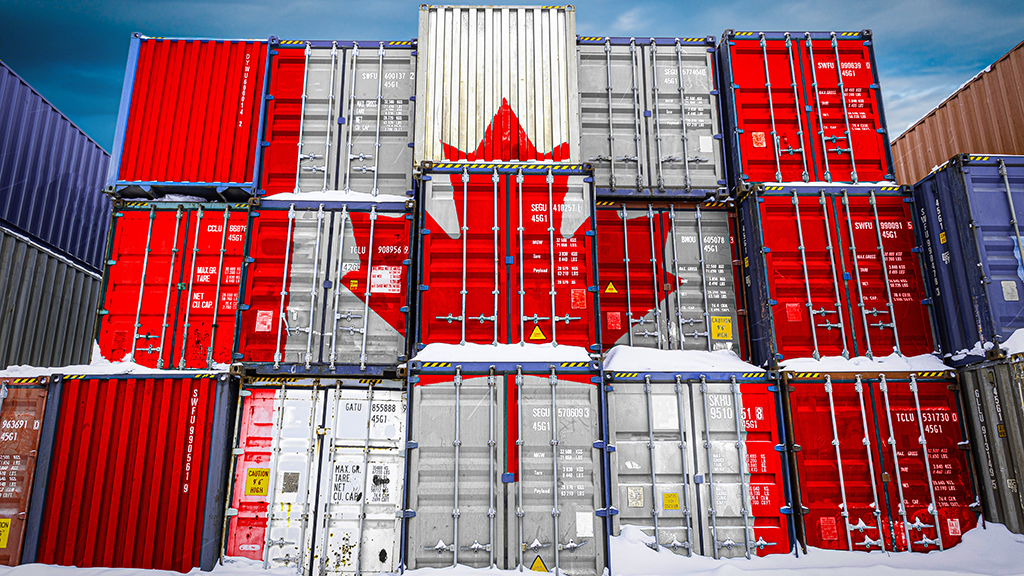
Canada is working to improve its inland transportation network through a new partnership with key logistics and economic development players across Western Canada. This initiative is aimed at improving the links between seaports and inland markets and bolstering the nation’s ability to cope with growing pressures on its trade corridors.
The Canadian Inland Ports Alliance (CIPA) was formed after the signing of a Memorandum of Understanding (MoU) by a number of regional partners. The founding members are CentrePort Canada, Global Transportation Hub Authority, Leduc County, Edmonton Global and Edmonton Airports, all operating collectively under the Port Alberta initiative, and the City of Calgary and Rocky View County, represented by the Prairie Economic Gateway.
The agreement lays out a framework for increased cooperation between inland logistics hubs and regional economic stakeholders to improve the efficiency and competitiveness of Canada’s trade infrastructure.
Answering growing pressure on Canada’s supply chains
The establishment of CIPA comes as Canada’s transportation and trade networks are under increasing strain. Congestion, shifting international trading relationships, supply chain disruptions and capacity constraints at marine gateways are putting additional pressure on the country’s logistics system.
These developments have highlighted the need to strengthen inland transport capacity and improve coordination between seaports, inland ports and the wider distribution network.
The organisations involved said the new alliance will help speed up joint initiatives and promote more interprovincial trade and better access to international markets. Another goal is to improve the reliability of the supply chain , particularly as companies look for more resilient transportation options .
A typical framework for strategic and investment planning
The MoU sets the framework for closer institutional relations and provides a formal structure for collaboration in several key areas including: infrastructure planning; advocacy; investment and performance measurement.
In the announcement, the agreement “is designed to assist with strategic planning related to Canadian inland ports.” It will also assist participating organisations to align their priorities and develop common evidence-based approaches to measure progress and outcomes of joint initiatives.
The coordinated approach is intended to provide inland ports with a stronger collective voice in discussions regarding Canada’s transportation infrastructure and trade development.
Further opportunities to be identified in annual reviews
The alliance’s members also agreed to review progress on an annual basis. Such assessments will allow to assess the effectiveness of ongoing cooperation and to identify further fields where joint action could be beneficial.
The Canadian Inland Ports Alliance brings together inland port operators, municipalities and regional economic development organisations to develop a more coordinated approach to Canada’s logistics infrastructure.
The move underscores the growing strategic significance of inland ports in linking sea gateways with national markets and global trading corridors. As transportation pressures evolve, greater collaboration among Canada’s western inland hubs could help improve freight connectivity and bolster the durability of the country’s overall supply chain.
END OF REPORT