Cargo Nov 13, 2026
Cargojet’s fleet integration strategy drives record third-quarter financial performance
Improved aircraft utilization, expanded international operations and a growing scheduled charter business lift revenue and operating profits to unprecedented levels, as new South American and Asian contracts prepare to offset the gradual end of UPS operations.
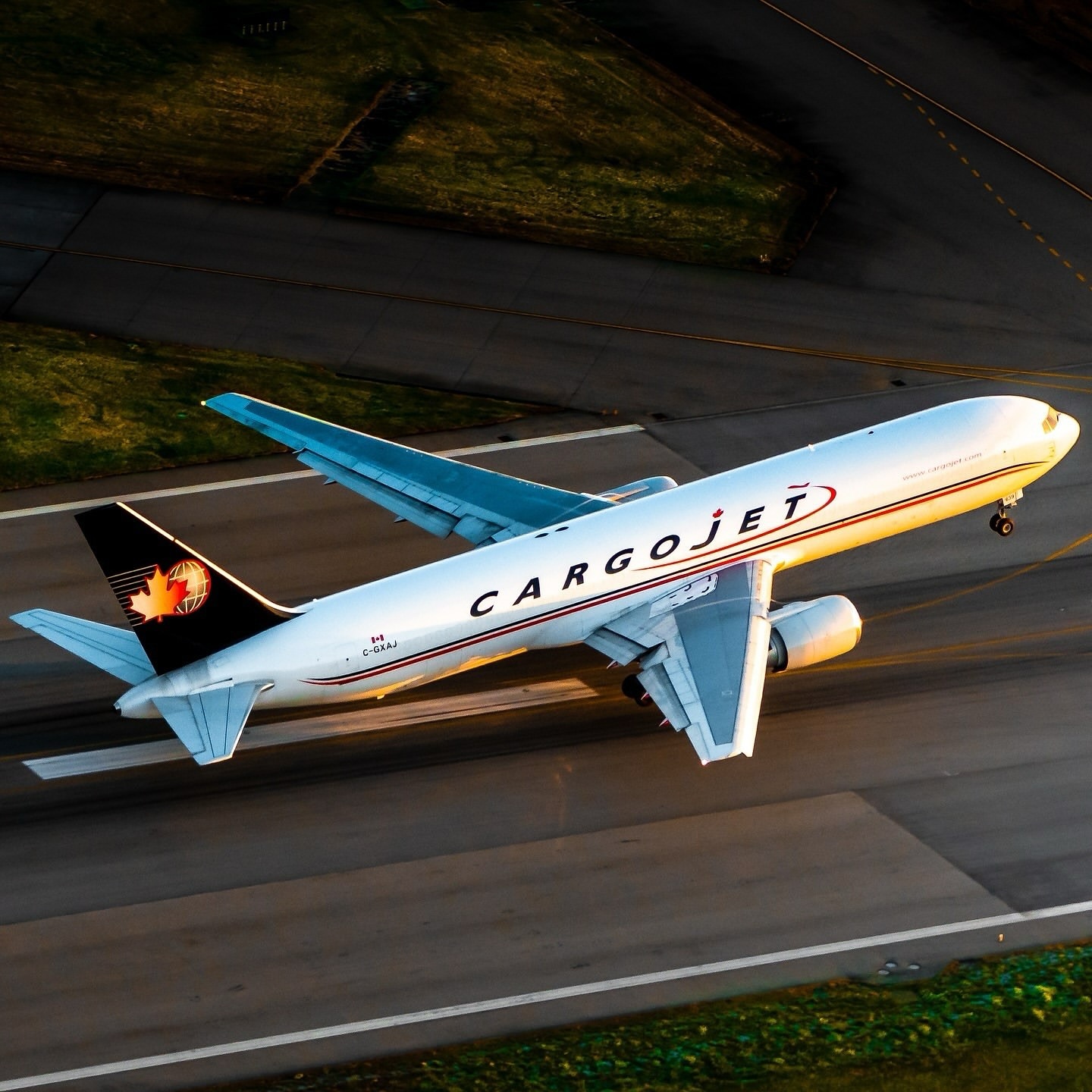
Cargojet’s strategy to integrate its domestic and international operations is delivering significant financial results, with the Canadian all-cargo carrier reporting record revenue and operating profit for the third quarter. The company attributes this performance to improved fleet utilization, expanded international connections and a stronger contribution from scheduled charter services.
The transformation is built around closer coordination between Cargojet’s Canadian overnight network and its international operations. By connecting these activities through its Ontario hub, the carrier has increased the number of available routes and strengthened its appeal to shippers seeking greater flexibility in moving freight across global markets.
The expansion has also benefited from favorable conditions in the international air cargo market. Cargo volumes have increased by 6% year-to-date, while available capacity has failed to keep pace, supporting higher yields across the industry.
In its results released late Wednesday, Cargojet reported third-quarter revenue of US$201.4 million, representing a 30.3% increase compared with the same period last year. Adjusted earnings before interest, taxes, depreciation and amortization (EBITDA) climbed 28% to US$63.4 million.
Both figures represent records for the July-to-September period. Stronger charter activity and long-term contracted flying helped offset rising expenses associated with aircraft maintenance, ground operations and pilot compensation.
Fleet productivity was another major contributor. Block hours per aircraft increased by 13.3%, supporting a 31.5% improvement in profit margins compared with the third quarter of the previous year.
One Fleet, One Network: a new operating model
Cargojet’s transformation is focused on its new operating strategy, which was rolled out this year under the moniker One Fleet, One Network. An aircraft management, network capacity and commercial sales centralized structure will be in charge.
Instead of running domestic express operations, long term dedicated contract flying and charter services as disparate business lines, Cargojet is combining these activities in a cohesive network. The aim is to use aircraft more efficiently, respond better to customer requirements and get more commercial return from existing assets.
In an earnings conference call with analysts, CEO Pauline Dhillon said the integrated model allows the company to better match available capacity with customer demand, while boosting aircraft productivity.
Cargojet’s priorities include “improving revenue quality, getting more performance out of the existing fleet and turning operational improvements into better earnings and free cash flow,” she said.
The international dimension is no less important. “By connecting our domestic network to strategic overseas markets, Cargojet can develop additional cargo flows, enhance network density and generate new revenue without the need for further infrastructure or fleet expansion.”
A key part of this approach is to re-deploy aircraft when they are not needed for domestic overnight operations or specific customer routes.
The restructuring is similar to what FedEx is trying to do, which is to merge its separate ground and express networks into a more efficient and cost-effective operating structure.
International services take off on schedule
Cargojet is also expanding its scheduled freighter operations to enhance international connectivity.
Starting December 2, the airline will begin increasing the frequency of its scheduled service between Hamilton, Ontario and Miami to three weekly frequencies. Hamilton, roughly 40 miles southwest of Toronto, is Cargojet’s operational base.
The additional flights will improve connections between Europe, Asia and Canada and provide better access to key destinations in South America. The extended schedule will give freight forwarders more routing options and more flexibility in organizing shipments, the company says.
“We’ve got commitments from customers in terms of volume before we even start service out of Miami in terms of capacity,” Dhillon confirmed.
Changes in its charter operations are also paying off for the carrier. Traditionally the business has been geared to ad hoc flights but is now moving toward a more balanced model of scheduled services and rentals of aircraft according to individual customer needs.
The change is already reflected in the financial results. Revenue from all-in charter operations, where customers pay a fixed amount per flight covering all costs associated with the flight, rose 88%.
"More structured charter services gives us better visibility on revenues, gives us opportunities to establish consistent cargo volumes and better utilization of the available aircraft capacity," says Dhillon.
Growing demand supports European and Asian connections
Cargojet's international charter activity received another boost in mid-September with the introduction of a second weekly frequency between Hamilton and Liège, Belgium, following increased demand.
The route is operated using a Boeing 767 converted freighter, which continues its journey to Tel Aviv, Israel.
The company has also started operating weekend charter flights to China, further expanding its presence in Asian markets.
Cargojet currently operates 42 leased and owned freighter aircraft, comprising Boeing 767 medium widebody converted freighters and Boeing 757 large narrowbody freighters. This represents an increase of one aircraft compared with the previous year.
UPS withdrawal to be offset by new international contracts
One of the company's main operational adjustments concerns the gradual reduction of its flying activities for UPS.
Cargojet had been operating several freighters on behalf of the US logistics group, which retired its fleet of 27 large MD-11 cargo aircraft following the fatal crash of one of its planes last November.
As UPS continues receiving newly manufactured Boeing 767 freighters, its reliance on external aircraft capacity is declining. Dhillon indicated that most of Cargojet's work for UPS is expected to conclude during the current quarter.
However, management expects new international business to compensate for much of the revenue impact.
Contractual flying operations serving South America have already started, while additional opportunities involving China and the Far East are currently under negotiation.
These developments form part of Cargojet's broader effort to diversify its customer base and strengthen its international revenue streams as existing contracts evolve.
Pricing strategy emphasizes revenue quality more
Cargojet is also concentrating on the profitability and quality of its commercial contracts in addition to expanding its network.
Management said it is willing to renegotiate or reprice contracts when they come up for adjustment. The company feels it can charge a premium price because of its excellent on-time performance and overall service standards.
Operational indicators still look encouraging. Domestic volumes were strong in October and customer shipping forecasts indicate that the current peak season should produce results in line with or better than those recorded last year.
International operations continue to be strong, especially with customers like DHL Express. Geopolitical disruptions have caused some businesses to switch their freight to air transport, increasing demand for Cargojet’s international services.
Higher pilot wages built into the cost structure
The third quarter was also the company’s first full quarter operating under its new pilot agreement.
The contract, which takes effect this quarter, calls for a 53 percent increase in pilot pay over four years.
Cargojet had earlier said it intended to pass on these higher labor costs to customers, thereby limiting their impact on the company's profitability.
Cargojet is looking to capitalize on the operational momentum it has with its integrated fleet model, growing its international network and scheduled charter activity, while managing the transition away from UPS-related flying.
Now, the carrier’s strategy to sustain growth and protect margins in an increasingly competitive air cargo market centers on the combination of improved aircraft productivity, stronger international demand and new contractual opportunities.
END OF REPORT