Cargo Nov 13, 2026
Port of Los Angeles maintains strong momentum with second-best monthly volume
October traffic exceeded one million TEU for the second consecutive month, as the Transpacific peak season continued. Analysts attribute the sustained growth to traditional consumer goods and manufacturing materials, rather than early-year frontloading or the expansion of AI data centres.
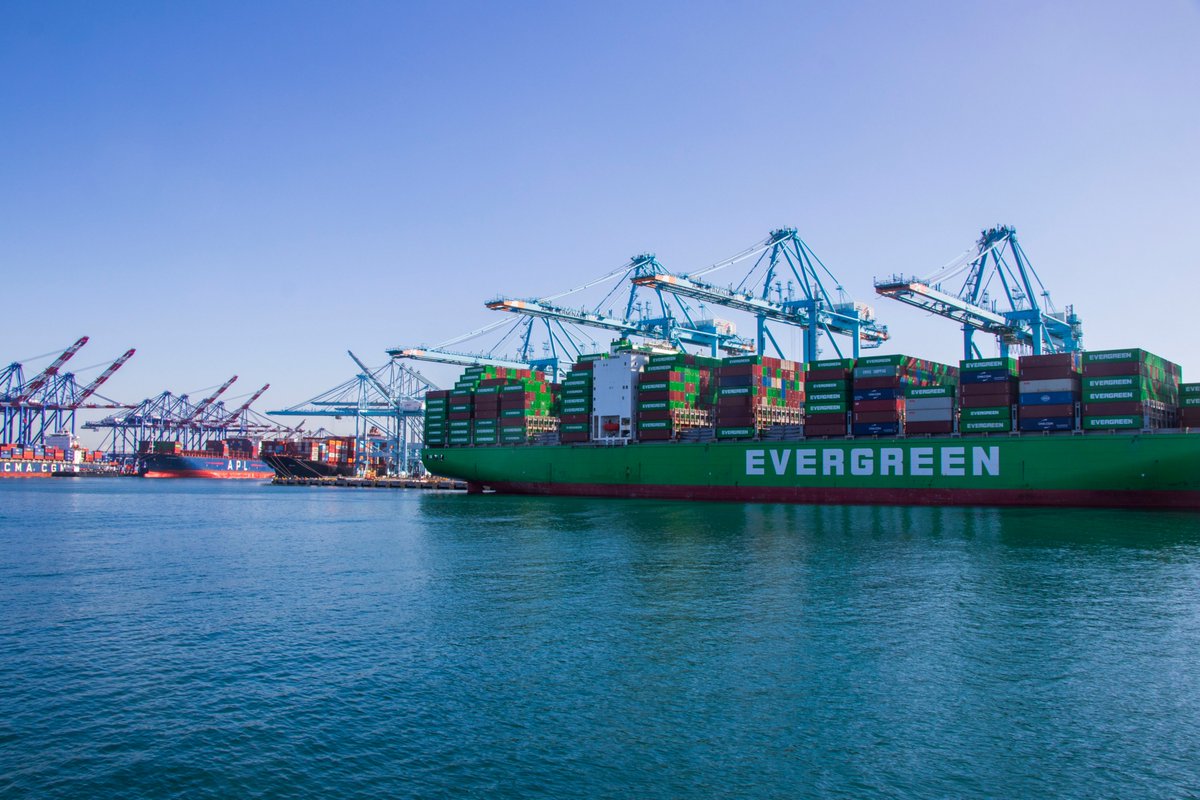
The Port of Los Angeles continued to record strong container volumes in October, handling more than one million TEU for the second consecutive month as the Transpacific peak season extended into its fifth month.
The US West Coast gateway processed 1,026,872 TEU during the month, making October its second-busiest month on record, behind September, which remains the port’s all-time monthly high. Looking at the period from June to October, total throughput approached 5 million TEU, marking the strongest five-month performance in the port’s history.
According to Port of Los Angeles Executive Director Gene Seroka, the sustained activity reflects several factors: resilient consumer spending, retailers continuing to replenish their inventories, shifts in trade policy and persistent disruption across other major global shipping routes.
However, the explanations previously put forward for the unusually early start and continued strength of the Transpacific peak season are now being challenged by market analysis. In particular, the assumption that shippers had brought shipments forward earlier in the year, along with claims that AI data centre construction was significantly boosting container volumes, appears inconsistent with the available evidence.
Frontloading theory under scrutiny
When the peak season began earlier than usual, many market observers expected this to be the result of importers frontloading shipments in anticipation of trade-related changes. The expectation was that this early rush would lead to an equally early slowdown.
That anticipated decline has yet to materialise.
Speaking at TOC Asia in Singapore, Jimmy Suroto Huang, Founder of Nava Analytics & Research, questioned the initial interpretation of market trends. He recalled the widespread discussion in March and April about frontloading and an unusually early peak season, arguing that subsequent volumes did not support that scenario.
“Because if there is front loading, then we should have by now be in a down season,” Huang said.
He also criticised the quality of market forecasts, pointing to a lack of understanding of the underlying trends and insufficiently reliable predictions. According to him, the models already indicated a strong recovery in the second and third quarters, a development that ultimately materialised.
“From that perspective, there is a lack of understanding there is a lack of good set of predictions in the market,” he said. “From my perspective, even back then, the model is already predicting a sharp rebound in in the second quarter, and third quarter, which did happen.”
AI data centre expansion has limited impact on container imports
The role of AI infrastructure development in driving Transpacific cargo growth has also been questioned.
An analysis by Sea-Intelligence, based on US Census Bureau data, indicates that high-value products associated with artificial intelligence, including computer chips and IT equipment, are transported almost exclusively by air freight rather than in containers.
The picture is also relatively stable for the physical materials required to build data centres. According to the analysis, the import weight of construction materials and infrastructure used in these facilities has remained almost unchanged.
This suggests that the expansion of AI data centres has not been a significant contributor to the recent increase in containerised imports.
Instead, the current peak season appears to be largely supported by conventional cargo categories and industrial inputs. Alan Murphy, Founder and CEO of Sea-Intelligence, said growth has been particularly strong across everyday consumer products, including clothing, toys, games, sporting goods and bicycles, alongside raw materials used in manufacturing.
“The 2026 peak season boom is being driven almost entirely by traditional container goods and raw manufacturing materials. We are seeing strong growth in the import of everyday consumer items like apparel, toys, games, sporting goods, and bicycles,” Murphy said.
The figures from Los Angeles, combined with the findings from Sea-Intelligence, point to a Transpacific peak season sustained by established import flows and continued consumer demand, rather than the temporary frontloading effect or AI-related infrastructure shipments previously highlighted by market observers.
END OF REPORT