Business Nov 3, 2026
Coty modernizes Maryland distribution center with energy-efficient LED lighting
The beauty group replaced 2,596 lighting fixtures at its Riverside facility, reducing lighting-related energy consumption by 25% and generating annual savings of approximately $82,000 in energy and maintenance costs.
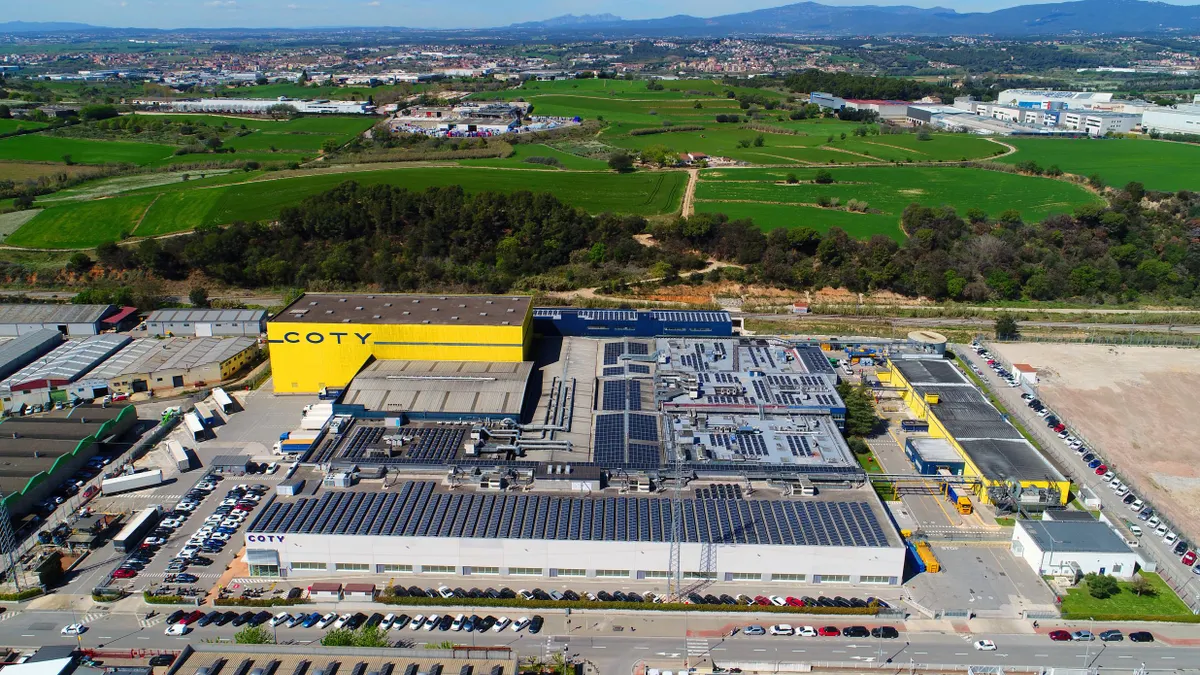
Coty is increasing energy efficiency initiatives throughout its global distribution network. A major lighting retrofit at its distribution center in Riverside, Maryland has produced measurable energy and operating cost savings.
The beauty group has implemented a range of initiatives to reduce the environmental impact of its logistics activities, the company said in its FY26 Sustainability Report. This includes replacing normal lighting with LED lighting, installing motion sensors, improving the insulation of buildings and scheduling the temperature settings on heating to avoid unnecessary energy use.
In FY 2026, Coty reduced total energy consumption by 19% compared to its 2019 baseline. Its owned or licensed brands include household names in beauty and fragrance such as Sally Hansen, CoverGirl and Marc Jacobs.
LED retrofitting means real savings (Courtesy)
One of the biggest projects was at Coty’s distribution center in Riverside, Md. FY26 saw the company replace 2,596 lighting fixtures with more energy efficient lighting.
The modernization is expected to reduce lighting electricity consumption by 25 per cent. The project is expected to save 519,000 kWh of energy annually, or an estimated $80,000 in energy cost savings, according to the sustainability report. Maintenance costs also should drop by some $2,000 a year.
In addition to the financial and environmental gains, the new lighting system has also enhanced the working conditions inside the facility for the employees. The LED installations boost brightness at floor level by up to 40% and enhance visibility throughout the distribution center.
Coty’s investment is part of a broader trend for retailers and logistics operators to reduce the energy requirements of their distribution infrastructure and control operating costs.
Growing use of renewable energy in distribution networks
Other big retailers are doing likewise to improve the environmental performance of their logistics facilities.”
Take, for example, Best Buy’s installation of a solar field at its distribution center in Dinuba, Calif., in 2026. It’s the first time a facility in the retailer’s distribution network has been fitted with an on-site solar installation, the project says. This is part of a wider decarbonization strategy to increase the use of renewable electricity.
Off-price retailer Burlington is also stepping up its renewable energy investments. The company also has been installing other on-site solar at several distribution facilities in its efforts to reduce energy consumption and operating costs.
These trends underscore the importance of distribution centers to companies' sustainability efforts, particularly as firms look for tangible ways to reduce emissions from their buildings and infrastructure.
Smart monitoring yields additional efficiency gains
Coty is also investing in energy monitoring technology to get better visibility into consumption patterns throughout its distribution network.
The company is using energy and water monitoring systems from energy consultancy Cotopaxi. The tools are located in facilities in Riverside, Maryland; Bielsko-Biala, Poland; and Bournemouth, United Kingdom.
The systems provide more in-depth information about energy and water use to help pinpoint where more savings can be made and to create more targeted efficiency measures.
Coty sets out its next sustainability priorities
Going forward, the beauty group will ramp up the use of heat pump technology, upgrade its heating, ventilation and air conditioning (HVAC) systems and increase rooftop photovoltaic capacity.
The latter is the maximum electric power that can be generated by a solar panels installation. Coty also intends to look at programs to eliminate the use of fossil fuels at its facilities.
Another important component of the company’s environmental strategy is still waste management.
Coty plans to send zero waste from its factories and facilities to landfill by 2030. It also aims to recycle 80% of the waste from its distribution centers and factories by the same year, using 2019 as the reference baseline.
The company achieved both these targets in fiscal year 2026, as per its FY26 sustainability report.
Five distribution centers serve global logistics operations
Coty has 5 distribution facilities worldwide. These facilities handle warehousing, shipping and logistics for the company’s international business.
“Things like LED lighting, energy tracking, renewable energy investments and infrastructure improvements are all aimed at making these operations more efficient and less impactful to the environment.”
Coty is integrating energy efficiency into its long-term distribution strategy and recently upgraded facilities in Maryland with more system projects planned.
END OF REPORT