Cargo Nov 25, 2026
DHL Renews Logistics Partnerships with BSD and FIL to Support International Winter Sports
Multi-year agreements reinforce DHL’s role in managing equipment transportation for international bobsleigh, luge and skeleton competitions, while supporting greater freight efficiency and sustainability across the winter sports calendar.
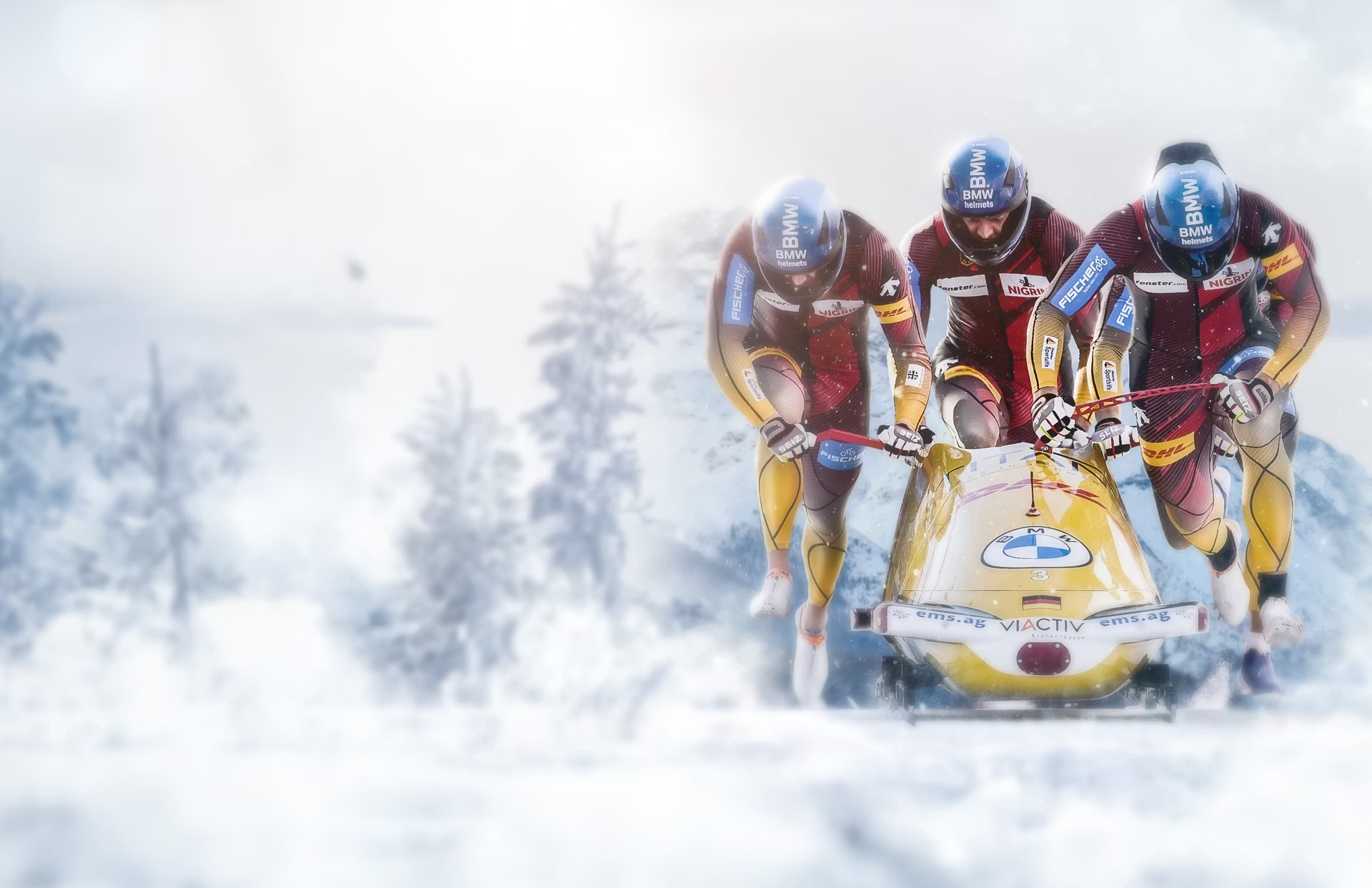
DHL has renewed its multi-year logistics partnerships with the German Bobsleigh, Luge and Skeleton Federation (BSD) and the International Luge Federation (FIL), confirming its status as the official logistics partner of both organisations at national and international levels.
DHL will continue to provide logistics services through these extended agreements to support bobsleigh, skeleton and luge competitions, ensuring athletes and teams have the equipment they need throughout the winter sports season.
The company moves more than eight tons of specialist sports equipment in any given season, including bobsleighs, skeleton and luge sleds, protective equipment and branding materials. These shipments are arranged between training facilities and competition venues across the globe with particular emphasis on safe handling and timely delivery.
“Supporting international winter sports is a huge operational challenge,” says Philipp Dianin, head of event logistics at DHL Freight.
“From moving bobsleds and luge sleds across continents to synchronising equipment movements between World Cup events, our collaborations with BSD and FIL showcase the precision, reliability and expertise that DHL brings to sports logistics.”
Thomas Schwab, CEO of BSD and Vice President Marketing at FIL, also welcomed the extension of the agreements and highlighted the need for reliable logistics for international competitions.
For years, DHL has been a trusted partner in helping us manage the complex logistics required to support international competition. “The continuation of these partnerships gives us and our athletes the confidence to concentrate on performance while DHL manages the logistics behind the scenes.
The partnerships are important for the operational side, but they also help to raise DHL’s profile in international winter sport. They also offer opportunities for the company to engage with customers, employees and fans during major sporting competitions, extending its presence beyond the delivery of logistics services.
“Top winter sports and the values that DHL Group stands for have a close affinity,” said Arjan Sissing, Head of Global Brand Marketing at DHL Group.
“The values that define elite winter sports – like precision, teamwork, reliability and speed – are very much in line with how DHL operates every day, making these partnerships a natural fit for our brand. They are a powerful platform to engage customers, employees and fans and build meaningful connections with audiences globally.
Improving the logistics efficiency on the international luge track
DHL’s work with FIL also includes managing the freight operations over the course of the federation’s World Cup season. The company supports teams in their travel between competitions, handling equipment movements and transport planning between competition locations.
The operation means more than 90 crates with luge equipment and team gear for national teams of Germany, Austria, Italy, Latvia, the United States and Japan. These shipments represent more than 21,000 kilometres of air and road transportation over the season.
The movement of athletes, teams and sporting equipment is a major component of the sport’s operational footprint, so FIL is increasingly relying on data-driven planning to optimise travel routes and competition schedules.
The federation is also working with DHL to consolidate freight shipments across national teams and centralise equipment transport between World Cup events. The measures aim to simplify logistics operations, reduce complexity and improve overall transport efficiency.
As well as this the two organisations are also looking at other initiatives that could further contribute to the FIL sustainability goals, in particular better organisation of freight movements throughout the international competition season.
END OF REPORT