Cargo Nov 24, 2026
Emirates SkyCargo transforms retired cargo equipment into 2,100 first aid kits for Malawi
The airline’s Aircrafted upcycling programme and partnership with Dubai Humanitarian and The Sparkle Foundation has seen the delivery of 2,100 medical kits to vulnerable communities in Malawi, helping to facilitate access to essential healthcare supplies and repurpose 97% recycled materials.
Emirates SkyCargo is reinforcing its humanitarian and environmental commitments with the delivery of 2,100 upcycled first aid kits to vulnerable communities in Malawi. The Sparkle Foundation, a Dubai Humanitarian member organisation, has launched the initiative to improve access to essential medical supplies in areas with limited healthcare resources.
The donation is another milestone in Emirates' long-standing humanitarian partnership with Dubai Humanitarian, making sure the assistance reaches the communities most in need. Through its community outreach and healthcare activities in Zomba, Malawi, The Sparkle Foundation, which runs programmes in healthcare, nutrition, education and community empowerment, will distribute the kits.
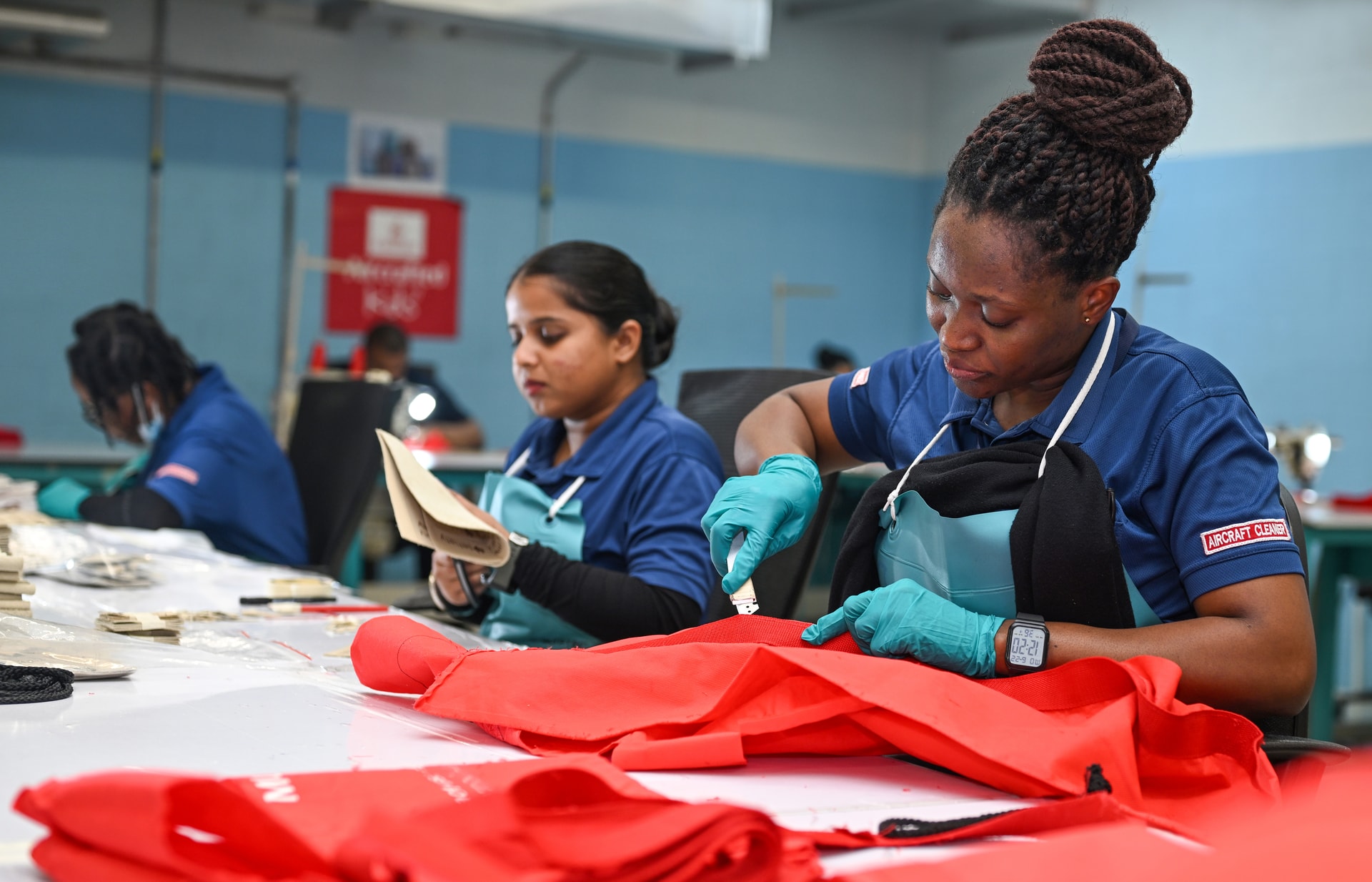
The initiative is based on the conversion of retired Emirates SkyCargo Aircraft on Ground (AOG) bags into useful medical kits. Emirates’ Aircrafted upcycling programme has seen the reuse of high visibility bags, originally intended for urgent aircraft maintenance operations.
The ‘Must Go’ bags of Emirates SkyCargo, a unique initiative launched in 2018, were designed to expedite the delivery of aircraft parts to grounded aircraft around the world. The original equipment was good for reuse, not disposal, after operations updates and the introduction of a new generation of AOG bags.
A host of Emirates departments including SkyCargo, Engineering, Group Medical Services, Corporate Communications, Marketing & Brand and employee volunteers supported the initiative. They prepared, made and packed the first aid kits together.
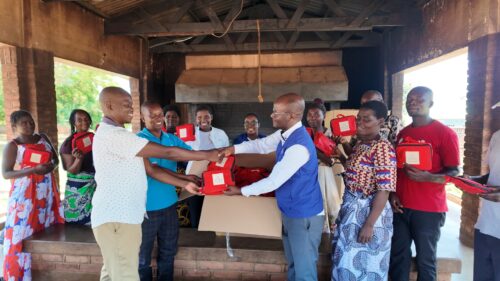
The kits were made by upholsterers in a dedicated upcycling workshop at the Emirates Engineering Centre. 97% of materials used were upcycled, including retired AOG bags, leather offcuts and other materials recovered from the airline’s aircraft retrofit programme.
Alongside the manufacturing process, Emirates collaborated with Dubai Humanitarian and The Sparkle Foundation to procure the necessary medical supplies for each kit. The Engineering team finished production and then the company’s workforce of volunteers boxed up the kits with the needed first aid supplies.
Emirates SkyCargo then flew the assembled kits to Malawi on one of its freighter aircraft. Upon arrival, The Sparkle Foundation accepted the shipment and coordinated its distribution in support of healthcare initiatives and community outreach programmes in Zomba.
Badr Abbas, Divisional Senior Vice President of Emirates SkyCargo, said the initiative shows how environmental responsibility can go hand-in-hand with meaningful humanitarian assistance.
He explained that the project is part of the airline’s commitment to responsible consumption to reduce its environmental footprint and to provide practical support to communities around the world. He also pointed out that the AOG ‘Must Go’ bags were originally intended to allow urgently needed aircraft parts to be delivered quickly. He said their new role as first aid kits continues that same urgency, this time to meet medical and humanitarian needs.
Abbas also stressed the importance of working in partnership with Dubai Humanitarian – the world’s largest humanitarian hub – and The Sparkle Foundation to ensure that the supplies reach the communities in need of essential care.
“The initiative shows the importance of collaboration between non-profit organisations, private sector companies and other stakeholders,” said Giuseppe Saba, CEO and Board Member of Dubai Humanitarian Authority.
Dubai Humanitarian’s ecosystem, he added, is designed to convert collaborative opportunities into tangible solutions that provide measurable benefits to vulnerable communities. Emirates has shown how sustainability initiatives can directly fuel humanitarian action through the repurposing of retired operational equipment into useful humanitarian resources.
“At the heart of the organisation’s mission is facilitating partnerships, encouraging innovative solutions and maximising the contribution of the international humanitarian organisations hosted and supported by Dubai Humanitarian,” Saba added.
Sarah Brook, Founder and Global CEO of The Sparkle Foundation also welcomed the donation, noting the importance of repurposing equipment previously used to keep aircraft operational, to resources that can support healthcare delivery.
She called the conversion of Emirates’ AOG bags to 2,100 medical kits a powerful example of how sustainability can aid humanitarian goals. Brook thanked Emirates for the contribution, saying the donation will help the foundation to expand its reach, provide essential healthcare and impact the lives of more people across Malawi. “I hope that this is the beginning of a partnership that has a lot of potential for impact moving forward,” she said.
In addition to the humanitarian distribution in Malawi, Emirates has also taken the initiative in-house, distributing around 4,000 more upcycled first aid kits to staff across the Emirates Group.
A commitment to circularity and responsible resource use more broadly
The first aid kits are part of Emirates’ wider Aircrafted programme, which focuses on giving a new life to operational materials through reusing resources recovered from different areas of the airline’s operations.
The project uses materials recovered from aircraft retrofit operations, where thousands of kilograms of high quality leather, fabrics and other parts removed from aircraft interiors have been salvaged and transformed into new products.
Some of the materials have been used to create limited-edition collectables, including luggage products sold under the ‘Aircrafted by Emirates’ range. Proceeds from the sales of these products are donated to the Emirates Airline Foundation, which adds another dimension to the programme’s charitable activities.
Emirates has also worked on similar projects for cabin materials for aircraft. We have already sent more than 5,400 backpacks made from recycled Economy Class seat fabric to children in 11 countries.
These efforts allow Emirates to prolong the useful life of materials that would otherwise be leaving the operational cycle, while connecting its sustainability efforts to humanitarian and social objectives. The delivery of 2,100 first aid kits to Malawi is just another example of how aviation resources and logistics capabilities can be mobilised to support communities beyond the airline’s core commercial operations.
END OF REPORT