Logistic Nov 3, 2026
FedEx to Extend Network 2.0 Integration to Los Angeles After Holiday Peak
The carrier has completed network consolidation in four major U.S. markets and plans to expand the initiative to Los Angeles, Oklahoma City and Charlotte once the holiday shipping rush concludes, with full implementation targeted for 2027.
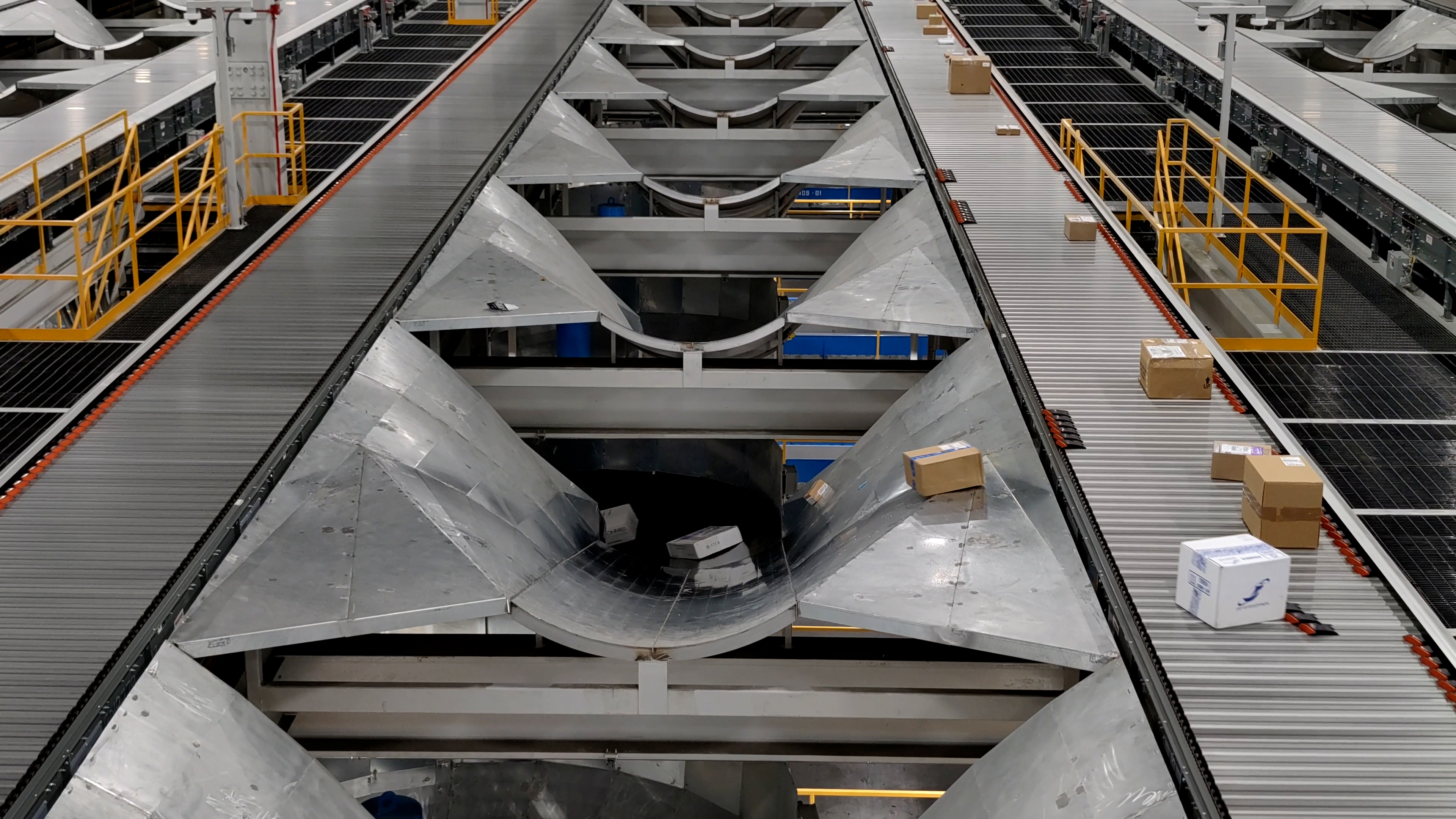
FedEx is preparing to extend its Network 2.0 transformation to additional U.S. markets following the 2026 holiday shipping season. Los Angeles, Oklahoma City and Charlotte, North Carolina, are next in line for the operational overhaul, as the carrier continues its efforts to integrate its historically separate Ground and Express networks.
The expansion follows significant progress in several major markets. FedEx has already completed Network 2.0 implementation in Dallas, San Francisco, Phoenix and Washington, D.C., President and CEO Raj Subramaniam confirmed during the company's earnings call on Wednesday.
The initiative, which is designed to streamline package handling and improve operational efficiency, remains on track for completion in 2027.
Network integration heats up before peak season
FedEx heads into the busy holiday shipping season with about 65% of eligible package volume moving through some 630 Network 2.0-optimized stations.
That’s a big improvement from the end of June, when around 45% of eligible shipments were being processed through nearly 490 optimized facilities.
Like the past two years, FedEx will temporarily suspend further Network 2.0 implementation work during the peak holiday season to focus on operational stability and manage the increased volume of shipments. Deployment activities are then expected to resume, beginning with Los Angeles, Oklahoma City and Charlotte.
The change is slowly blurring the operational distinction between expedited and less time-sensitive shipments. Under the integrated model, packages that previously traveled through separate Ground and Express networks can be processed by a more unified infrastructure.
This will involve changes to facilities, delivery operations and transportation planning and closer coordination between FedEx’s air and surface transportation teams. The objective is to simplify the operations but not compromise on the quality of service that the customers receive.
$2 billion in expected savings by 2027
In addition to making the network more efficient, Network 2.0 is a major cost-saver for FedEx.
The program is expected to produce cumulative savings of about $2 billion by the end of 2027, Subramaniam said. Most of the savings are expected to come from eliminating overlapping delivery routes, cutting duplicated operations and consolidating facilities across the network.
As part of the restructuring, FedEx has already closed more than 260 stations. The transformation is intended to close more than 475 facilities as it progresses.
The company is also seeing better utilization of its surface transportation capacity.
“Network optimization, together with our effective commercial strategy, is resulting in tighter capacity utilization across our surface network,” Subramaniam said.
The integration is thus intended to facilitate package movements and to enable more efficient use of existing transportation resources and facilities.
Increasing operating costs pressure margins
Network 2.0 is achieving the cost savings while FedEx is still facing other financial pressures in its other business areas.
The carrier saw a $100 million year-over-year cost headwind in the third quarter due to its newly ratified labor agreement with pilots.
Its U.S. segment also noted higher purchased transportation rates for over-the-road linehaul services. "The increase was attributed to a broader tightening in the truck driver labor market following regulatory changes," said interim CFO Claude Russ.
Higher fuel prices have put pressure on FedEx’s adjusted operating margin in the United States.
But it’s using its fuel surcharge mechanism to mitigate some of the impact. The surcharges are recalculated weekly to reflect changes in fuel prices, enabling FedEx to recover some of the additional costs from its customers.
Fuel surcharges boost revenue growth outlook
FedEx is maintaining its revenue outlook despite higher operating expenses weighing on results.
The company now expects full-year revenue growth of 12%, said Brie Carere, executive vise president and chief customer officer, on the earnings call.
Of that anticipated growth, about four percentage points will be the result of additional surcharge revenue due to higher fuel prices.
The outlook highlights the need to make fuel adjustments to protect revenue as transportation costs fluctuate.
With Network 2.0, FedEx is in the next phase and faces the dual challenge of completing its network consolidation and coping with rising costs for labor, transportation and fuel.
The addition of Los Angeles, Oklahoma City and Charlotte, following the holiday peak, is another step toward its 2027 target as FedEx aims to build a more integrated, cost-effective and flexible delivery network across the United States.
END OF REPORT