Maritime Nov 27, 2026
Guangdong targets a world-class Greater Bay Area port cluster by 2030
Subheading: The province aims to raise its annual cargo handling capacity to 2.4 billion tonnes and container throughput capacity to 90 million TEU, while accelerating port modernisation, digitalisation and the transition towards cleaner energy.
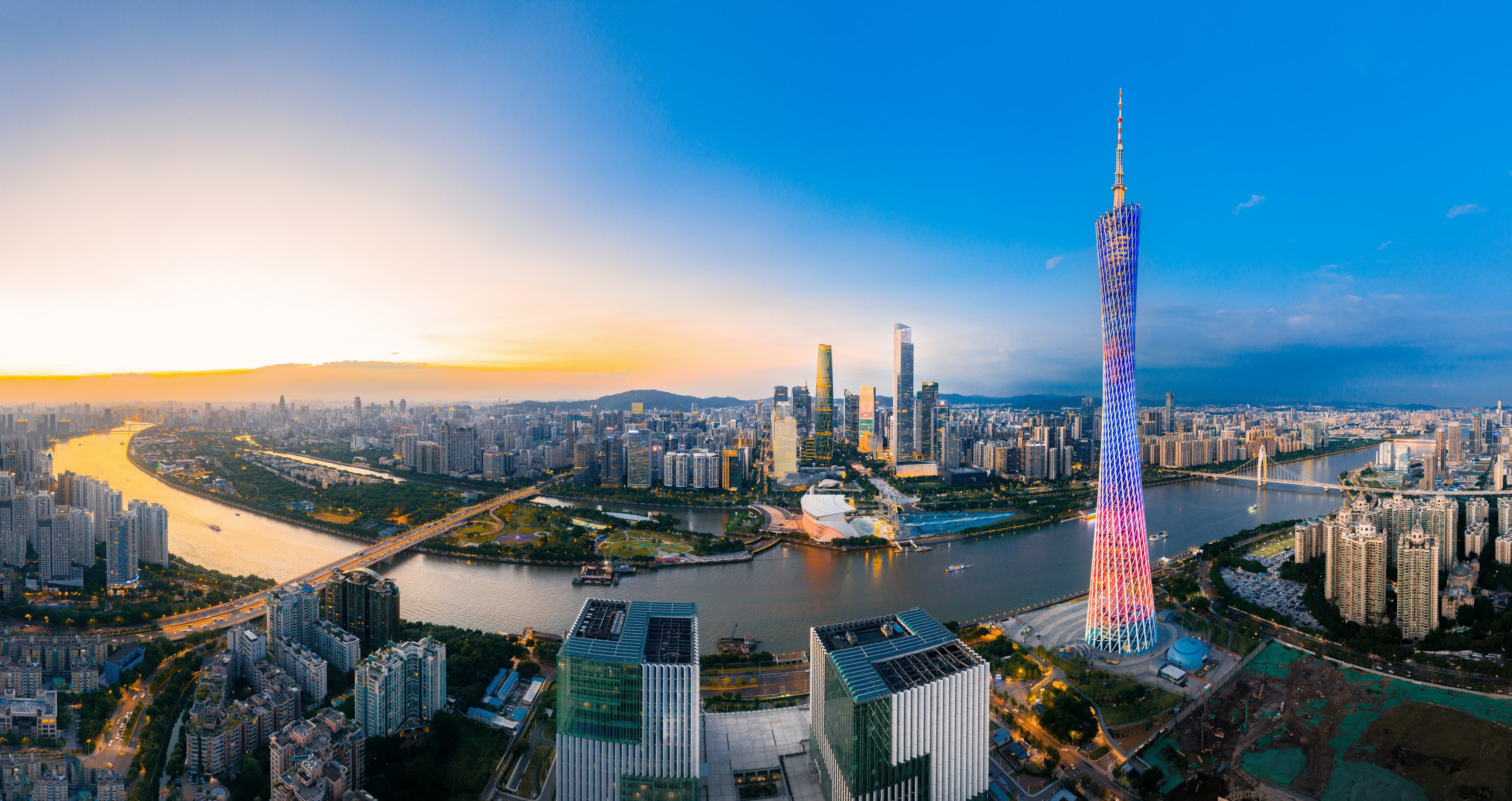
Guangdong Province is raising the stakes to boost its standing in global maritime trade, with plans to build a world-class port cluster across the Guangdong-Hong Kong-Macao Greater Bay Area by 2030.
The Waterway Development Plan for the 15th Five-Year Plan period was announced by the Guangdong Department of Transport. The strategy aims to create an integrated, modern and environmentally sustainable system of water transport, backed up by digital technologies.
The initiative aims to build Guangzhou Port and Shenzhen Port into world-class international maritime hubs. Both facilities are expected to be built to world class standards further cementing their role as key gateways for international shipping
The plan also calls for closer co-operation among the ports of Guangdong, Hong Kong and Macau. The authorities will improve the arrangements for distribution of cargo, optimize the networks of shipping lines and strengthen coordination, making better use of the complementary capabilities of the various port facilities.
This growth will be supported by a number of major infrastructure projects. These include the Nansha Terminal Phase V of Guangzhou Port and the eastern operation area of Yantian Container Terminal of Shenzhen Port. The development program also includes widening of navigation channels to accommodate vessels of 100,000 dwt and above to ensure coverage of all major port areas in the Greater Bay Area cluster.
2030 capacity targets ambitious
Guangdong aims to have a cargo throughput capacity of 2.4 billion tons per year by 2030. The container throughput capacity of the province is expected to increase to 90 million TEU, in line with the planned expansion of the port.
The strategy also foresees a major technological and environmental transformation of port operations, in addition to infrastructure development. The authorities will also accelerate terminal automation, promote low-carbon and zero-carbon port facilities, and gradually replace traditional on-site equipment with clean energy alternatives.
The energy transition will also mean the expansion of shore power facilities, the installation of photovoltaic power generation systems in port areas and the development of green marine fuel supply infrastructure. These measures are designed to promote the use of LNG, methanol and other lower carbon marine fuels.
Enhancing maritime resilience and supply chain security
Apart from capacity growth and environmental objectives, the development plan also indicates risk prevention and supply chain resilience as important priorities.
Guangdong to upgrade emergency response capacity for port operations, waterway navigation and marine pollution incidents The goal is to build a safer and more reliable shipping network that is better able to respond to operational and environmental risks.
With this mix of infrastructure investment, regional coordination, digital transformation and cleaner energy solutions, Guangdong aims to strengthen the Greater Bay Area's importance as a major international logistics hub.
The initiative is also expected to contribute to the stability of industrial and supply chains, while also supporting the broader transition toward more sustainable maritime transport.
END OF REPORT