Air Nov 20, 2026
Has GTA 6 Brought an Air Cargo GSSA Into Its Virtual Airport World?
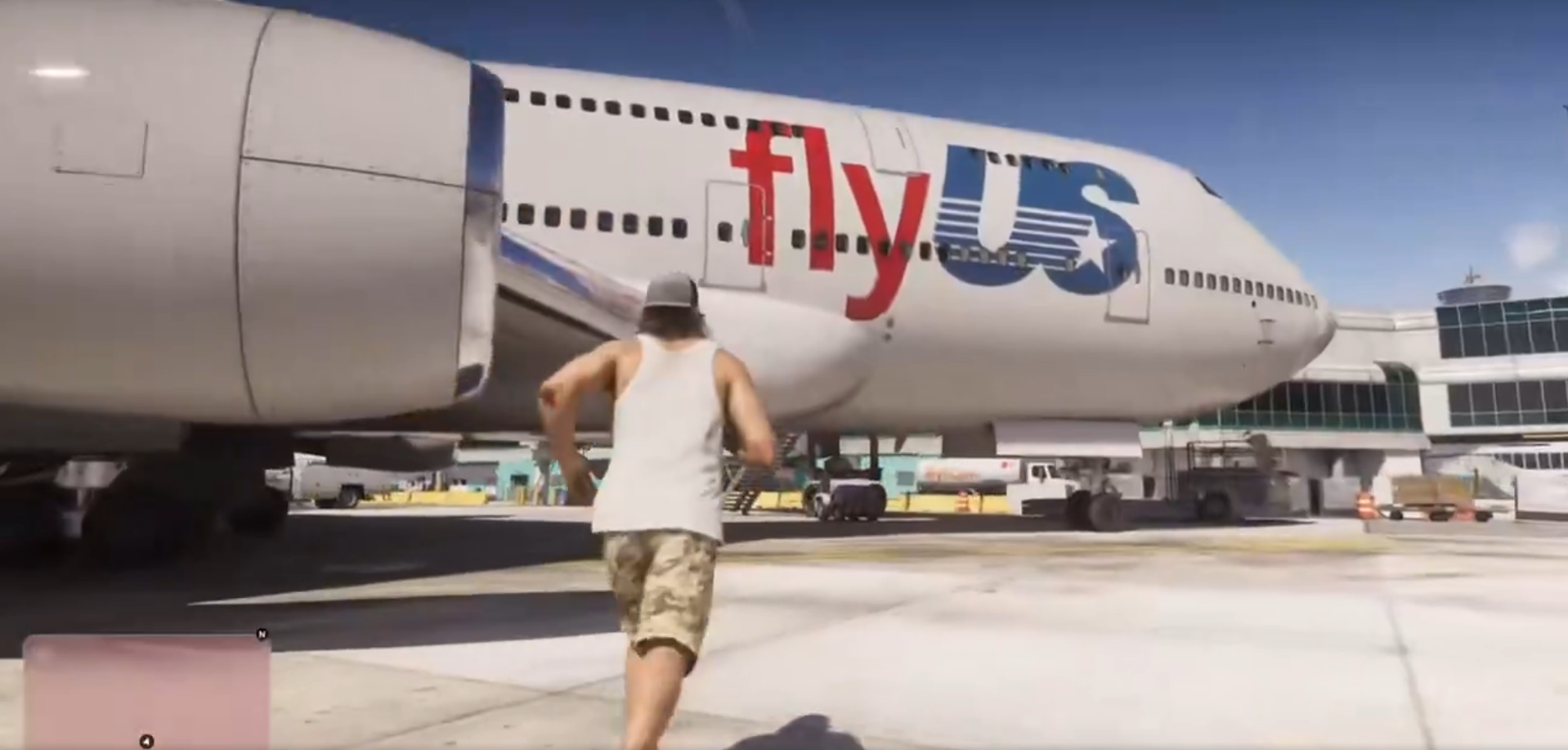
The appearance of the fictional FlyUS airline in Grand Theft Auto VI has drawn attention to its striking resemblance to FlyUs Aviation Group, raising questions about a possible connection between the video game franchise and the air cargo industry.
Grand Theft Auto VI (GTA 6) has been all over the headlines this week and has generated a lot of excitement amongst gamers. Anticipation has been building around the latest instalment of the franchise after 13 years' wait, with people traveling to New Zealand to experience the release to fans arranging time off work to explore the game's virtual universe.
The gaming world is celebrating the return of one of its biggest titles, but the air cargo industry has been waiting much longer for a moment in the spotlight in a major video game release.
But this time there may be a surprise connection. Would there be an air cargo General Sales and Service Agent (GSSA) in a virtual airport and airline operations in GTA 6’s huge virtual world?
The in-game airline FlyUS is a striking replica of the real world independent GSSA FlyUs Aviation Group, particularly in its name, branding and color scheme. Whether it is a coincidence or a deliberate nod to the air cargo industry is an interesting question.
When the virtual airline encounters the real-world GSSA
First it’s a good place to start to see the history of both names. Which came first, the real-world GSSA or the fictional airline?
According to available information, FlyUs Aviation Group was founded in 2004, four years before the fictional FlyUS airline first appeared in the Grand Theft Auto franchise. The latter was released in 2008, and the fourth instalment of the series.
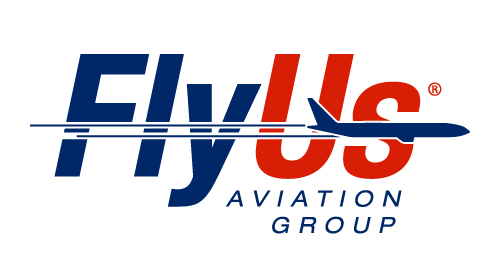
The visual similarities are difficult to ignore. The logo of FlyUs Aviation Group is a blue to red gradient. Special capitalization and silhouette of an airplane flying over the lettering.
The fictional brand FlyUS goes a different way, swapping the blue and red color scheme and replacing the aircraft symbol with a star.
Rockstar Games, the creators of the Grand Theft Auto series, were contacted for comment.
But the two brands also appear to be using the letters "US" in a different way besides the visual similarity. While the fictional airline’s branding is never explicitly explained, FlyUs Aviation Group uses ‘US’ in the sense of ‘we’ that reflects the relationships and partnerships that support the GSSA business model. FlyUS is a fictional airline that seems to be using the abbreviation as a reference to the United States, and has a star insignia to further drive that point home.
Carlo de Haas, President and CEO of FlyUs Aviation Group, confirmed the company’s name and logo were registered in 2003 when the business started operating as FlyUs GSSA.
The company said the likeness was ‘pure coincidence’.
An association not gone unnoticed
The similarities between the two brands are already well documented across Wikipedia and related online encyclopedia platforms, suggesting that the connection has not gone unnoticed by the wider online community.
But an interesting question is: how many of GTA’s millions of players know what a GSSA is, or the role these companies play in supporting international air freight and global commerce?
GSSAs are key members of the aviation logistics ecosystem, representing the airline and supporting its commercial cargo business around the world. Major investment activity has also underlined their importance to the industry.
A big example came in May when Brookfield Asset Management agreed to buy World Freight Company (WFC), an important GSSA platform that connects 25 brands in over 80 countries.
The deal was valued at US$1.2 billion, which is indicative of the size and commercial significance of the global GSSA market.
GTA VI hits billions just like air cargo
The financial figures behind GTA VI make for another stark comparison, though on a much grander scale.
Sensor Tower, an analytics platform, said the game sold more than 24.5 million units, generating around US$2.36 billion in pre-orders and first-day sales, according to the BBC.
The figures reveal the phenomenal commercial reach of the franchise and the size of the audience that could be exposed to its virtual representation of the world of aviation.
While it may be unrealistic to expect GTA VI players to be selling air cargo capacity, running airline GSSA operations or seeking careers in aircraft handling and freighter operations, the appearance of a brand that looks like a real-world air cargo company is nonetheless noteworthy.
With graphics and branding and environmental details becoming increasingly sophisticated, the resemblance between the fictional airline and FlyUs Aviation Group is perhaps more apparent than previous editions of the franchise.
It’s an unusual crossover between the video gaming and air cargo industries, whether the relation is purely coincidental or an accidental salute toward the wider aviation logistics ecosystem.
For a profession seldom seen in mainstream entertainment, even a virtual appearance is cause for celebration. And this may not be the last time air cargo makes its way into the gaming world.
END OF REPORT