Air Nov 26, 2026
Hyderabad Airport boosts air cargo storage capacity by over 140% with automated upgrade
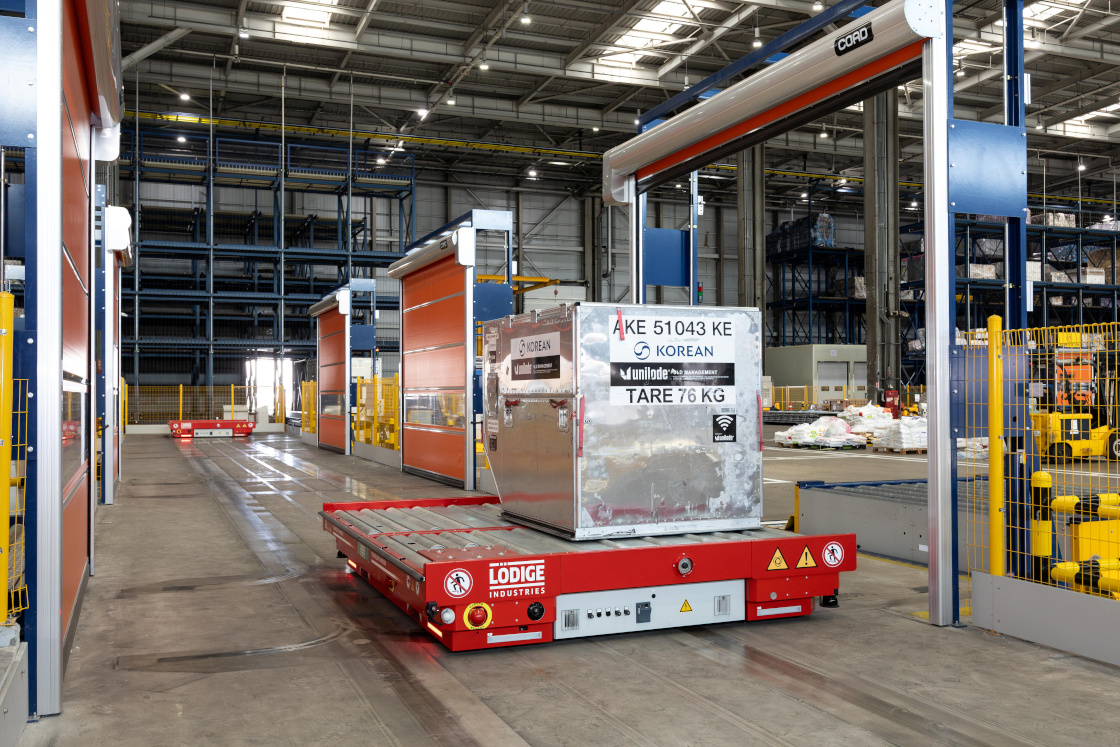
The upgraded Elevated Transfer Vehicle system increases ULD storage capacity from 33 to 80, while enhancing temperature-controlled handling capabilities for pharmaceutical and other high-value shipments.
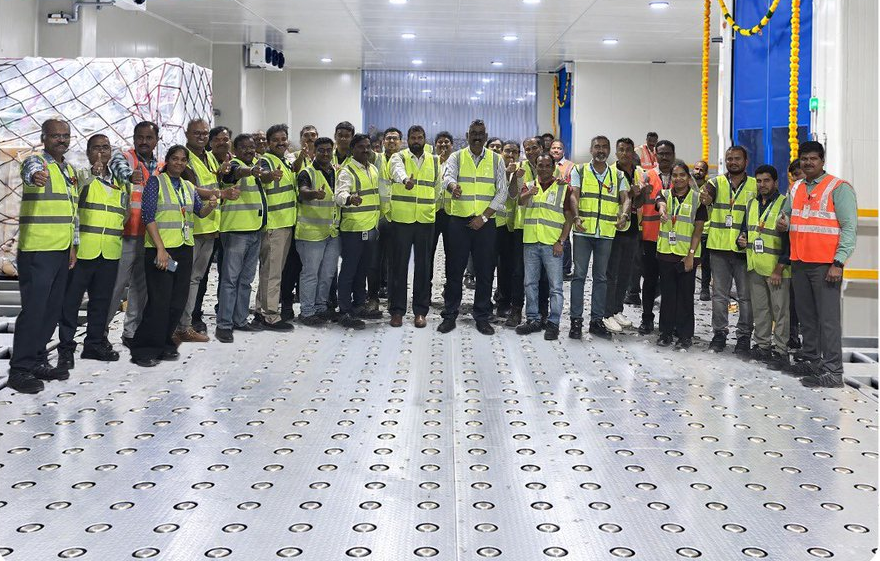
Hyderabad Airport has upgraded its air cargo handling capacity with installation of an upgraded automated storage system that has increased storage capacity by over 140%. The investment will cope with increasing volumes of freight, especially pharmaceutical products, temperature sensitive shipments and other high value cargo.
GMR Hyderabad International Airport Ltd (GHIAL), a member of a consortium led by GMR Aero, has enhanced the storage system based on Elevated Transfer Vehicle (ETV) at the airport’s cargo terminal.
The improved infrastructure increases the ULD storage capacity from 33 to 80 positions, enabling the terminal to handle increased volumes of cargo without the need for additional physical space. It also provides greater operational flexibility, especially in simultaneous multiple freighter operations, positioning the facility for future growth in air cargo demand.
GHIAL chief executive Kadhir Kadhiravan said the investment matched the airport’s ambition of becoming a leading regional air-cargo gateway.
He said the upgrade of the ETV system was a significant milestone, citing the more than 140 per cent increase in ULD storage capacity and the improvements in handling specialized and temperature-sensitive shipments.
“The additional infrastructure will allow airlines, freight forwarders and logistics partners to handle the cargo movements with greater speed, reliability and operational flexibility,” Kadhiravan said.
Automation infrastructure boosts handling of pharma cargo
One of the key improvements is the integration of the improved storage system with the cargo terminal’s Cool Corridor. This allows ULDs to be transferred directly from automated, multi-level storage to pre-chilled holding areas equipped with temperature monitoring systems.
The design is intended to minimize the exposure of temperature sensitive shipments to ambient conditions during transfers, supporting cold chain continuity.
The system also allows in-rack charging of active temperature controlled ULDs. This means that the battery-powered refrigeration units can still operate while the cargo is still in storage maintaining the temperature conditions that are needed.
Other technological improvements include highly accurate weighing equipment using load-cells and automated storage allocation. The capabilities are designed to make it easier to handle heavier, high-density pharmaceutical shipments.
The facility is equipped with thermal isolation seals and air curtains to improve protection for temperature-controlled cargo. The installations are designed to reduce the inflow of warm ambient air into refrigerated storage areas during transfer operations.
The upgraded infrastructure is designed to support 24-hour cargo operations.
GMR wants more operational flexibility, better quality of service
Also, the investment is expected to enhance the terminal’s responsiveness to changing customer needs and the increasing variety of air cargo shipments.
“Technology is a major component in enhancing the customer experience and is an integral part of our operating philosophy,” said Sanjiv Edward, chief executive of GMR Aero Cargo & Logistics.
“The additional storage space, temperature controlled handling facilities and dedicated infrastructure will be particularly beneficial for pharmaceutical products and other high value cargo,” he said.
In addition to expanding capacity, the project is intended to enhance the use of the airport’s existing cargo infrastructure and to make more room for specialized air cargo operations.
“Hyderabad Airport’s latest investment highlights the growing importance of automation, temperature-controlled storage and operational flexibility to meet the requirements of pharma logistics and time-sensitive air cargo movements.
The airport is increasing its storage capacity without increasing the footprint of the existing terminal, reinforcing its position as a regional hub for high value shipments and giving airlines, freight forwarders and logistics providers infrastructure that can meet their evolving operational needs.
END OF REPORT