Air Nov 26, 2026
Korean Air completes major cargo terminal modernisation at Incheon Airport
The transformation of the existing facility into a fully integrated Smart Terminal increases hourly ULD processing capacity from 18 to 30 units, with overall cargo handling capacity expected to rise by more than 25%.
Korean Air has completed a major upgrade of its cargo terminal at Incheon International Airport (ICN), with automation and smart logistics technologies to enhance operational efficiency.
The upgrade has converted the existing building into a fully integrated Smart Terminal with enhanced automated handling infrastructure. This allows the terminal to process up to 30 Unit Load Devices (ULD) per hour, from 18. Moreover, the overall cargo handling capacity is expected to grow by more than 25%.
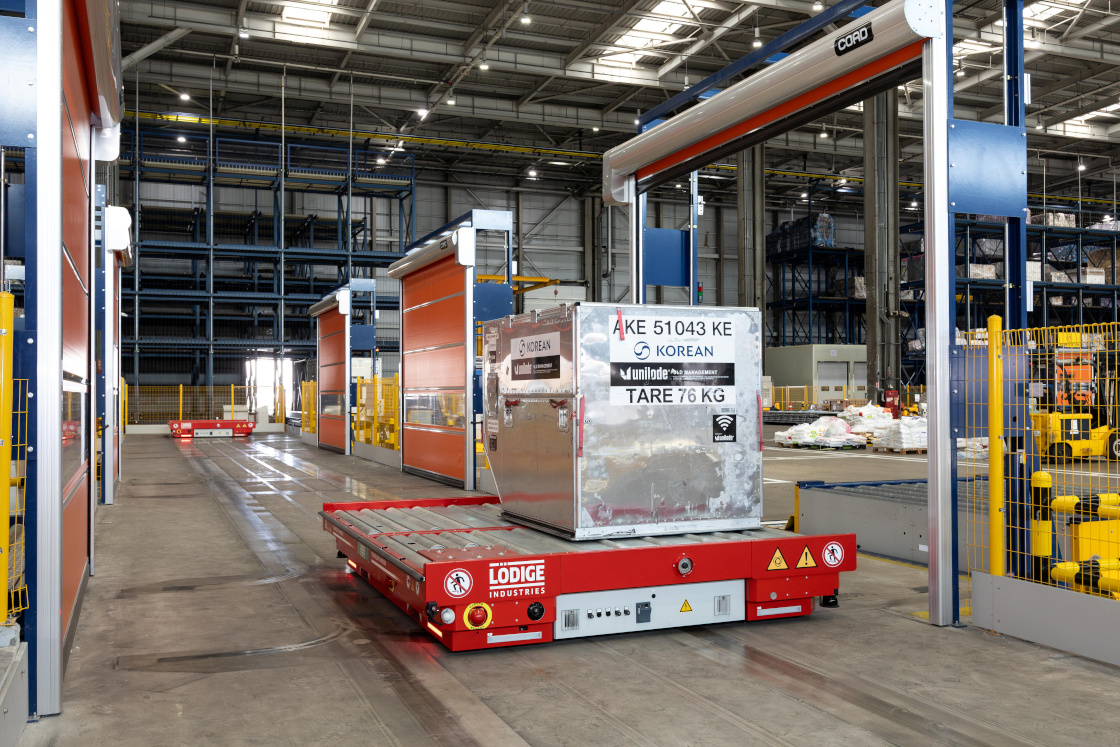
The upgraded infrastructure includes three fully automated Elevating Transfer Vehicles (ETVs) from Lödige Industries. Such systems are needed to increase capacity of terminal processing and better flow of cargo units.
We have integrated two Automated Guided Vehicles (AGVs) to gain more flexibility in our internal transport operations. They automatically move ULDs between import/export and build-up/break-down areas and to designated storage locations.
“To keep pace with the growing cargo volume and changing needs of the industry, automation is a must,” said JD Eum, Executive Vise President and Head of Cargo Business Division, Korean Air.
“We are modernizing and automating the company because the volume of cargo is growing and we want to maintain the high quality of service,” he said.
The renovation is a major investment to upgrade the equipment and integrate smart technologies to prepare the airline for the changes in the global logistics environment. He also thanked Lödige Industries for its participation, and added that the close cooperation made it possible to carry out the project in phases without interruption of the current operations of the terminal.
Modernising an existing facility without interrupting operations
The project was carried out in partnership with Lödige Industries and involved the retrofit of a terminal originally commissioned 25 years ago.
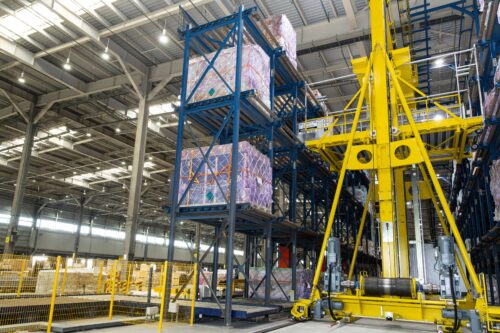
The modernization was split into a number of implementation phases rather than disrupting daily cargo activities. The approach was planned to maintain the terminal’s handling capacity during the renovation, a goal both partners achieved.
Nicholas Tripptree, Managing Director for Asia-Pacific at Lödige Industries, said that coordination is critical in projects with complex operational environments.
“Projects of this size require close co-ordination, especially when modernization must be undertaken without disruption to the day-to-day cargo operations,” he said.
He credited the successful delivery to the strong partnership and trust built between Korean Air and Lödige Industries. Both companies faced the technical and operational challenge of upgrading an existing facility and keeping it running on a day-to-day basis.
Tripptree also reiterated Lödige Industries’ commitment to supporting the long-term performance of the upgraded systems.
In addition to the automated ETVs and AGVs, the renovation included a number of other components of the terminal’s infrastructure. This included truck docks, decks and extensive conveyor systems, providing a more comprehensive and integrated cargo handling environment.
The facility has also been equipped with Lödige’s Cargo Professional Suite, the company’s own central terminal management system designed for air cargo operations. It also improves the digital management capabilities of the terminal.
Official handover and recognition of Lödige Industries
The upgraded terminal was successfully handed over in September 2026. Korean Air subsequently organised an official completion ceremony on 20 October 2026 to mark the conclusion of the modernisation project.
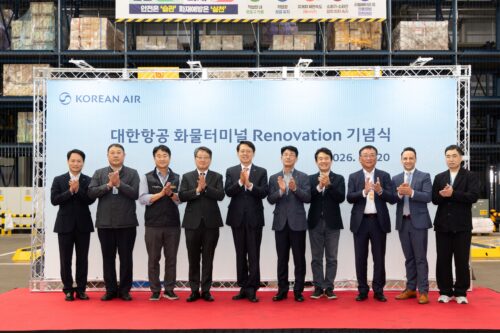
Nicholas Tripptree was there to represent Lödige Industries and the company was presented with a Plaque of Appreciation by Korean Air.
The award honored Lödige Industries’ technical expertise, commitment and contribution throughout the renovation. It also recognized the company’s use of sophisticated logistics automation systems in a complex operating environment.
As a consequence of the project, Korean Air has been operating a significantly upgraded cargo terminal at Incheon International Airport that includes automated transport equipment, improved handling infrastructure and centralized terminal management technology.
The modernization shows how existing air cargo facilities may improve their operational capabilities with phased technology upgrades, while continuing their daily operations.
END OF REPORT