Cargo Nov 3, 2026
Inland Warehouse Markets Gain Ground as Shippers Reassess Distribution Strategies
Rising transportation costs and market uncertainty are encouraging companies to route more goods through inland distribution hubs, although industry experts caution that changing freight routes does not necessarily signal a broader shift in warehouse demand.
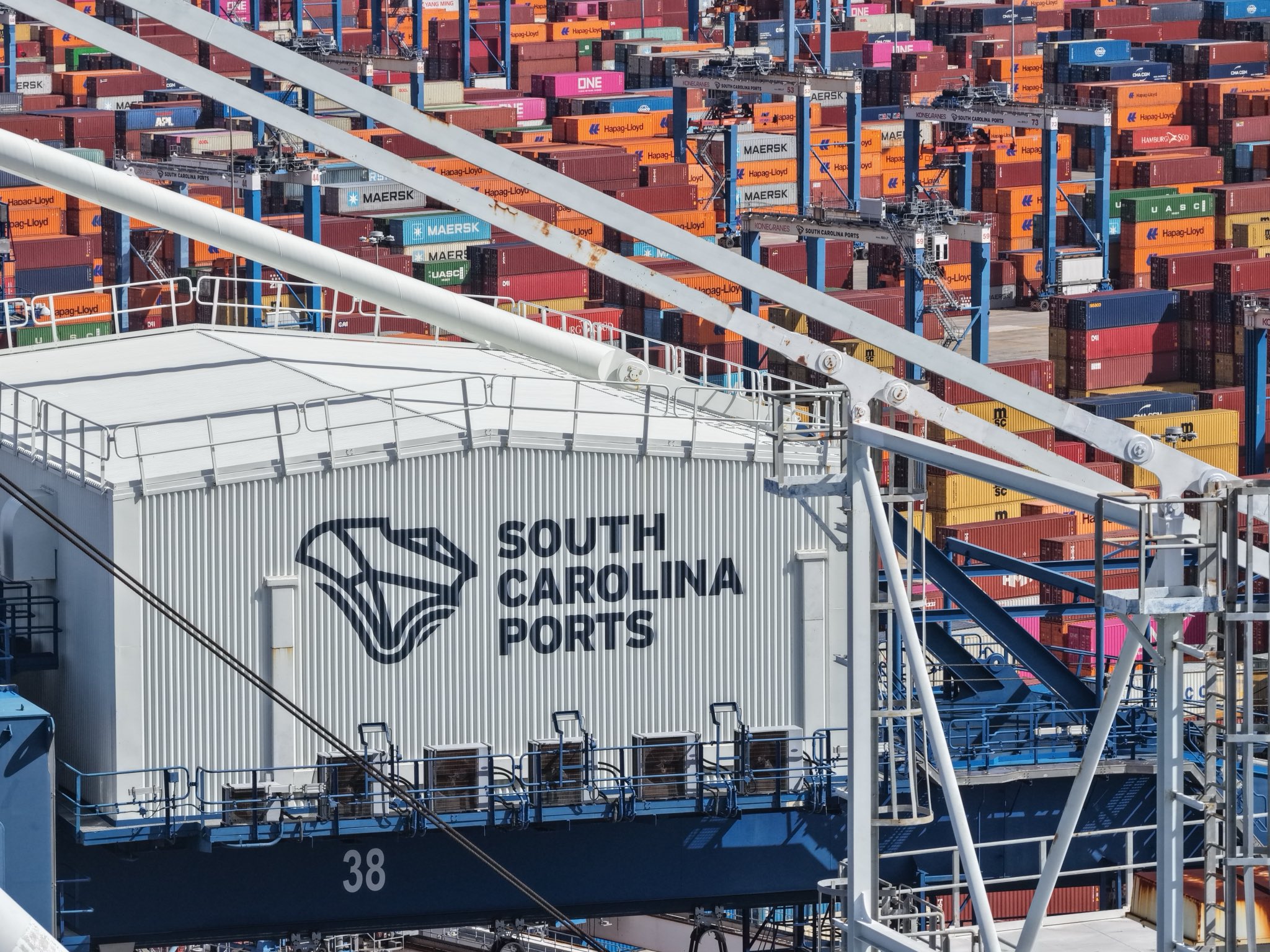
As shippers look for ways to offset rising transportation costs and lower operating expenses, demand for industrial warehouse space is shining a light on inland markets across the United States. But even as more inventory is flowing through inland distribution networks, industry experts say the trend is not necessarily a sign of a fundamental shift in warehouse demand away from coastal markets.
According to commercial real estate research firm Cushman & Wakefield, the demand has steadily shifted towards inland industrial markets over the past two years. Vacancy rates in port-related markets are 110 basis points above the national average of 6.6%, the report dated Oct. 19 said.
The inland distribution is becoming increasingly important as the movement of goods around the country. More freight is trucked and railed to inland logistics hubs where businesses have comparatively lower labour, rental and energy costs. These trends have pushed the share of industrial absorption in inland markets to 83%, its highest level since 2010, along with increasing volumes of imports from Mexico, according to research from Cushman & Wakefield.
Higher transportation costs are reshaping logistics decisions
Carriers are looking for more cost-effective distribution solutions as they grapple with higher transportation costs. Supply chain operations are under new pressure with rising diesel prices amid tensions related to the Iran war.
In this situation, companies are exploring alternative logistics routes and warehouse locations in an effort to keep costs down. The rise in interest in inland facilities is also driven by the availability of newer industrial buildings that can support technological upgrades and automation.
“Companies are moving more towards higher-quality warehouse product, particularly newer Class A facilities,” John Kirkman, senior managing director at CBRE, told Supply Chain Dive. He said the trend is towards modern assets, with more supply of newer Class A inventory now available in inland markets.
These facilities enable companies to modernise their distribution activities and respond to changing logistics requirements.
Coastal industrial markets may be back in the saddle
The interiors have performed better, but Cushman & Wakefield sees some improvement in a few key port markets. Its projections suggest that demand will strengthen and vacancy rates will fall in places such as Hampton Roads, Virginia; Savannah, Georgia; Charleston, South Carolina; and Los Angeles.
The firm also projects annual rent growth of more than 5% through 2028 for seven of the 13 North American port industrial markets it tracks. This outlook implies that logistics facilities along the coast may continue to draw strong interest despite current vacancy pressures.
Melinda McLaughlin, senior vice president and global head of research at Prologis, said: “Just because we’re seeing higher vacancy rates in some port markets, doesn’t mean there’s a mass migration of warehouse demand inland.
“Truck rates are going up, and rail is getting more competitive on some long-haul lanes,” McLaughlin said in an email to Supply Chain Dive. However, she stressed that there is scant evidence of companies widely moving their warehouse operations to inland markets.
She pointed out that a movement of freight isn't necessarily a change in where businesses keep their stock.
Warehouse activity remains robust across key industries
Prologis’s numbers show goods moving through U.S. warehouses at a solid pace. E-commerce, manufacturing and retail have all picked up, and data centres, along with the suppliers that feed them (advanced manufacturers especially), are adding to the logistics load.
Still, busier warehouses don’t automatically mean companies are stockpiling or shifting big volumes of stock around the country. “Businesses are still holding inventory pretty low,” McLaughlin said. In other words, more activity isn’t the same as firms building up goods or deliberately moving inventory inland.
That distinction matters for industrial real estate. Costs and transport strategies have tilted toward inland distribution hubs, but coastal markets haven’t dropped out of the network.
As for the recent rise in freight headed inland, it looks like companies trimming their transport and distribution costs, not a lasting change in warehouse demand.
END OF REPORT