



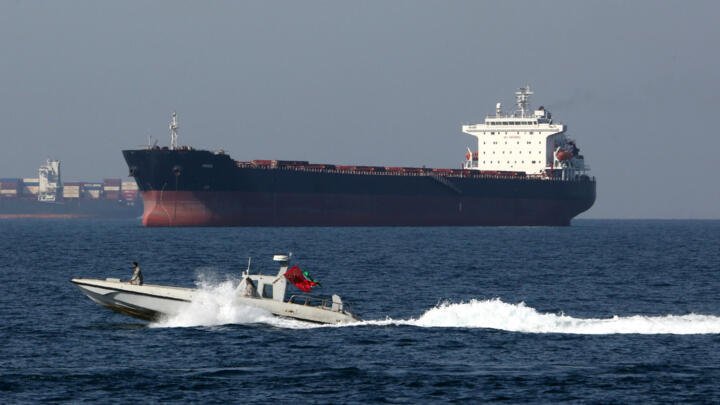
Five weeks after the United States and Israel launched attacks on Iran, the Strait of Hormuz remains under Tehran’s firm control, with only limited vessel movement allowed through one of the world’s most critical maritime chokepoints. Iranian media said 15 ships were permitted to pass in the 24 hours to 2100 GMT on 5 April, while Windward recorded 20 transits over the same period, the highest daily figure since the war began on 28 February.
Even so, the flow remains only a fraction of normal levels. The historic average is about 138 ship movements per day, meaning current traffic is still deeply constrained. Iran says the strait remains open except to vessels from countries attacking or backing attacks against it, while Iraqi ships have reportedly been granted specific clearance. The Revolutionary Guard Navy has also indicated the waterway will not return to its previous operating model, particularly for the US and Israel.
The shape of that “new state” is still unclear, but Iran is preparing legislation that could impose fees on ships using the passage. That possibility has triggered a coordinated diplomatic response. On 2 April, UK foreign secretary Yvette Cooper chaired a virtual meeting involving more than 40 countries and the International Maritime Organization. Governments discussed increasing diplomatic pressure, examining sanctions and working with the IMO to secure the release of trapped vessels and seafarers.
IMO secretary general Arsenio Dominguez backed a more coordinated international approach, warning that fragmented responses are no longer enough. He said the organisation is developing a maritime evacuation framework designed to free stranded ships, support crew changes and reduce the risk of an environmental disaster. That measured diplomatic message stood in sharp contrast to Donald Trump’s social media post on 5 April, in which the US president used profanity while demanding that Iran reopen the strait and renewing threats against Iranian infrastructure.