World Nov 10, 2026
Iranian Oil Exports Collapse Under US Blockade as Hormuz Attacks Intensify
Malaysia’s offshore Iranian oil reserves fall to critically low levels, while commercial shipping faces a sharp rise in attacks across the region
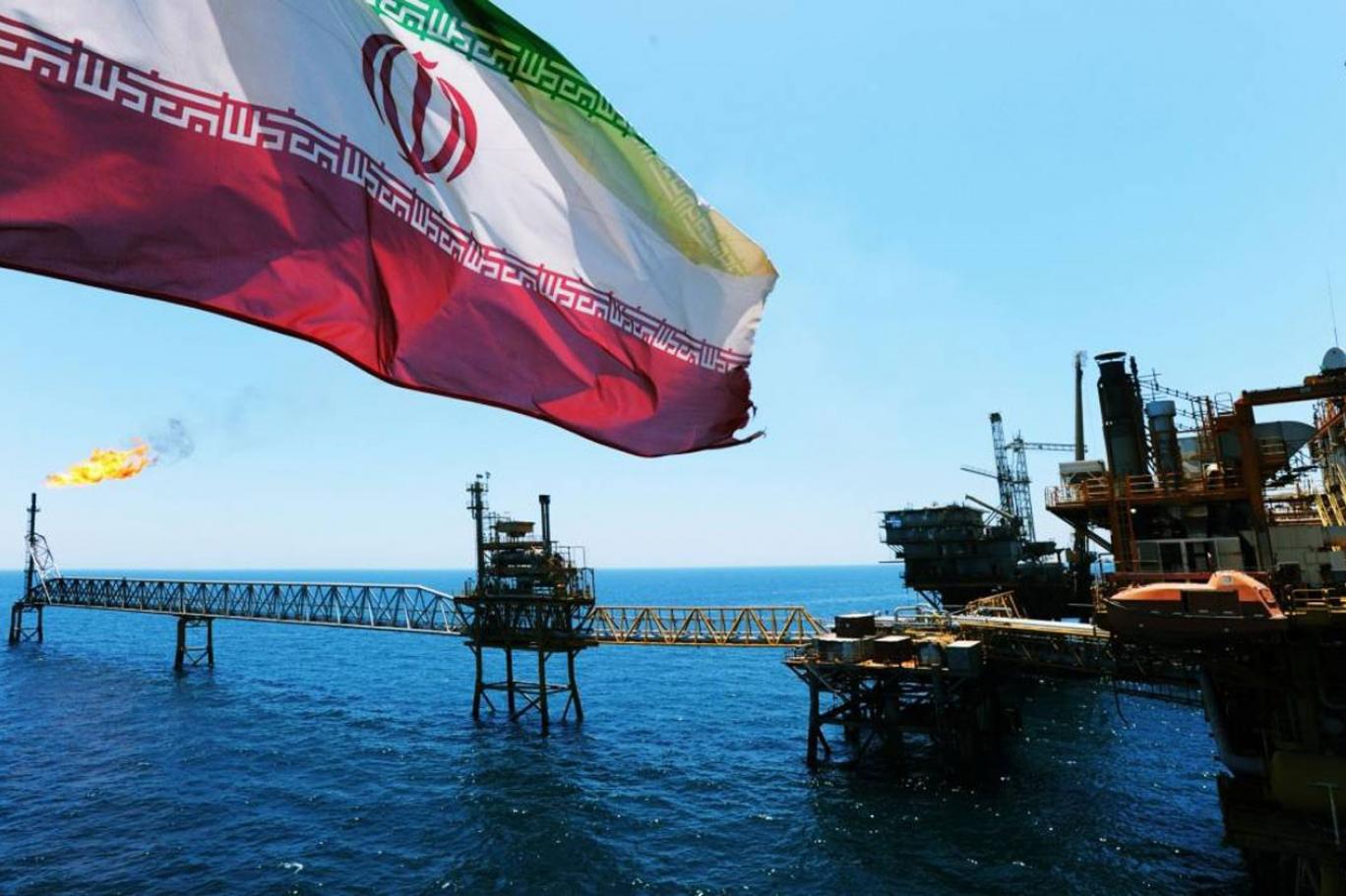
The US naval blockade has brought Iran’s oil exports close to a standstill, significantly reducing one of Tehran’s main sources of revenue. However, the growing economic pressure has coincided with a sharp escalation in attacks on commercial vessels in the Strait of Hormuz and surrounding waters, according to the latest monthly report from United Against Nuclear Iran (UANI).
An advance copy of UANI’s October Tanker Tracker, shared exclusively with Seatrade Maritime News, reveals that Iranian exports fell to just 15,806 barrels per day (bpd) in October, compared with 50,789 bpd in September. The October figure represented a single shipment carried by a small tanker loaded with Iranian liquefied petroleum gas (LPG).
Shipments to China, one of Iran’s principal oil buyers, have also come to a complete halt, with no exports recorded in either September or October.
“Throughout October 2026, the strict enforcement of the US naval blockade continued to severely restrict Iranian oil exports, maintaining intense economic pressure on the regime,” UANI stated in its report.
The blockade leaves Iranian oil exports at a near standstill
Although Iran continues loading crude oil onto tankers, UANI only classifies these volumes as exports once the vessels cross the US blockade line in the Arabian Sea.
Since Washington reinstated the blockade on 14 July, the organisation has tracked approximately 11 small tankers carrying LPG that successfully crossed the designated line.
Charlie Brown, UANI Senior Advisor and co-author of the report, said October provided further evidence of the blockade’s effectiveness in disrupting Iran’s crude oil trade.
He noted that the restrictions had pushed Iranian exports close to a complete halt, directly affecting a major source of income for both the Iranian regime and the Islamic Revolutionary Guards Corps (IRGC). Oil sales to China had previously played a particularly important role in generating revenue for Tehran and the military organisation.
Brown also highlighted the disappearance of Iran’s substantial floating oil reserves previously held aboard tankers off Malaysia’s Eastern Outer Port Limits (EOPL). Much of this offshore inventory has since been delivered to China, leaving Iran with significantly less stored oil available to offset the impact of the export restrictions.
Malaysia’s EOPL floating storage almost exhausted
Iran had used the temporary suspension of the US blockade, between 17 June and 14 July, to rebuild its offshore oil inventory intended for the Chinese market.
During that period, approximately 60 tankers carrying Iranian oil and petrochemical products departed the Gulf of Oman with more than 70 million barrels of cargo. Among them were 26 Iranian tankers that carried out ship-to-ship (STS) transfers at Malaysia’s EOPL.
The anchorage, situated approximately 70 kilometres off the Malaysian coast, subsequently served as an important storage and transfer location for Iranian oil awaiting delivery.
However, that stockpile has now been almost entirely depleted.
UANI estimates that only between zero and five million barrels of Iranian cargo remain in floating storage at the anchorage. The organisation also recorded just one STS transfer involving Iranian LPG there throughout October.
The sharp reduction in offshore reserves removes an important buffer that had previously enabled Iran to maintain supplies to international buyers despite restrictions on its direct exports.
Attacks on commercial shipping were at their highest level since the start of the conflict
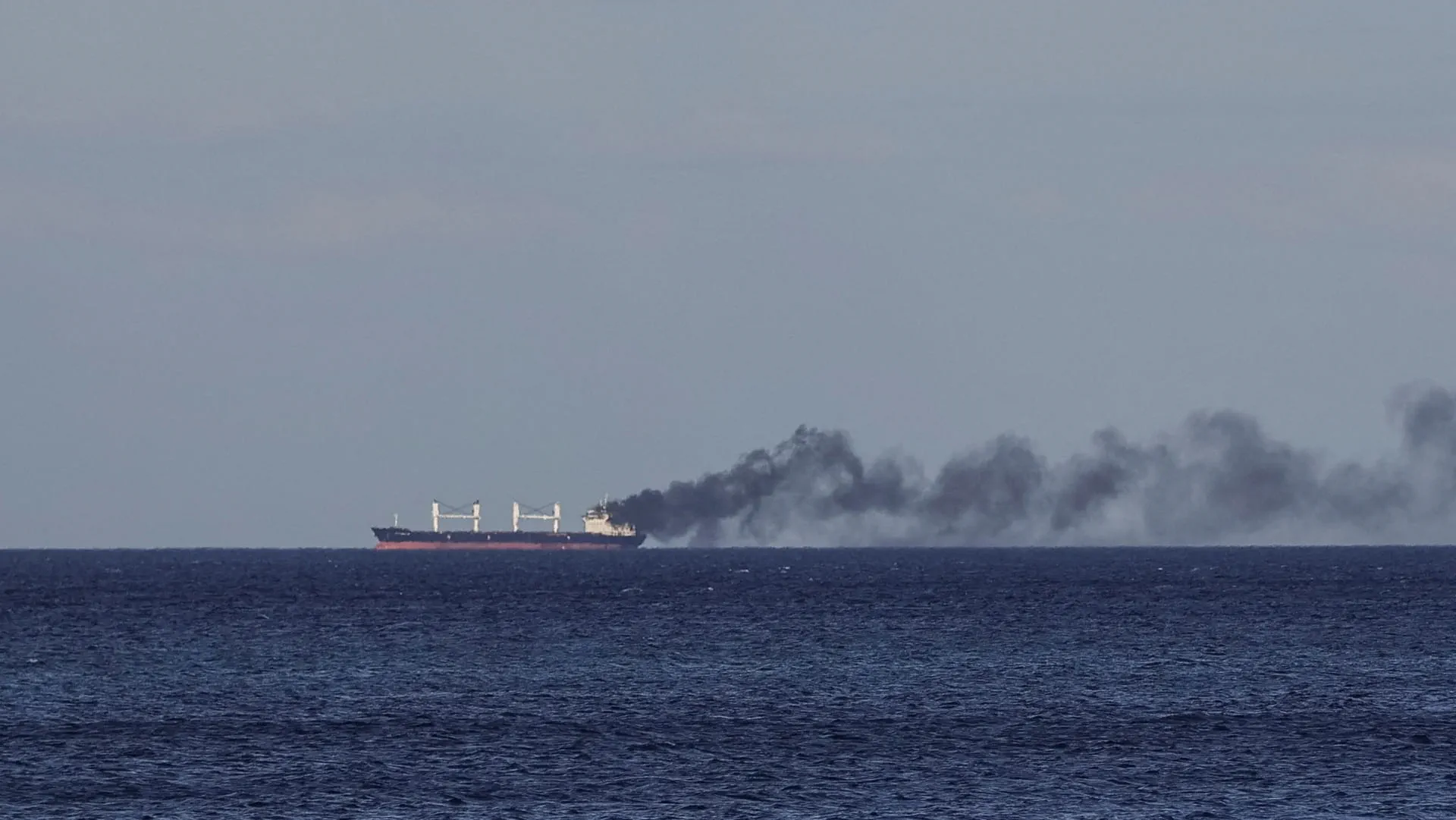
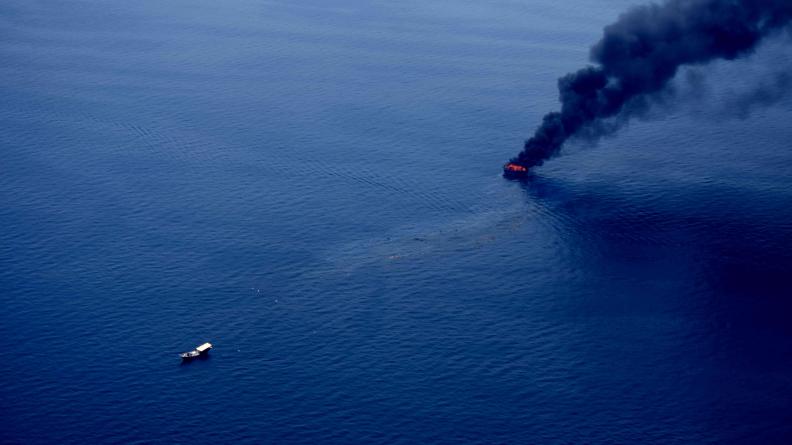
With oil revenues increasingly constrained and offshore inventories shrinking, Iran has increased attacks on commercial shipping in the Strait of Hormuz and beyond.
UANI said October was the worst month for Iranian attacks on commercial vessels since the conflict started, representing a serious deterioration of maritime security.
During the month, the International Maritime Organization (IMO) reported 35 separate attacks on commercial shipping. Further incidents were also reported but were unconfirmed.
Despite the deteriorating security situation, October saw increased vessel movements through the Strait of Hormuz.
Over the month, there were 956 recorded transits, which averaged 30.8 vessel movements per day. US naval forces directly protected and facilitated many of these passages, helping to ensure commercial shipping could continue to operate through one of the world’s most strategically important maritime corridors.
Pressure is mounting on Washington over the future of the blockade
The success of the US sanctions is becoming ever more apparent, but there remain questions about how long Washington is willing to keep the blockade going and how it intends to respond to Iran’s growing attacks on international shipping.
Brown says the situation is reaching a critical waiting game, with two key issues emerging: whether the American strategy is sustainable and how to protect commercial vessels.
He asked whether the US administration was able to maintain enough political will to keep the blockade in place long enough to exert sustained economic pressure on Tehran. He also highlighted the need for a clear response to the increasing threats facing ships transiting the Strait of Hormuz.
The near-collapse of Iranian oil exports highlights the economic impact of the blockade, but the escalation of maritime attacks continues to raise new concerns for international shipping operators.
The big question now is not whether the blockade will cripple Iran’s oil trade, but whether Washington has the will to maintain the steps, and stop additional assaults on commercial shipping.
END OF REPORT