Maritime Nov 16, 2026
Los Angeles Port Chief Expects Labour Dispute to End Without Disruption
Despite ongoing contract negotiations between the ILWU and the Pacific Maritime Association, Gene Seroka remains confident that operations will continue uninterrupted as the Port of Los Angeles records five consecutive months of record container volumes.
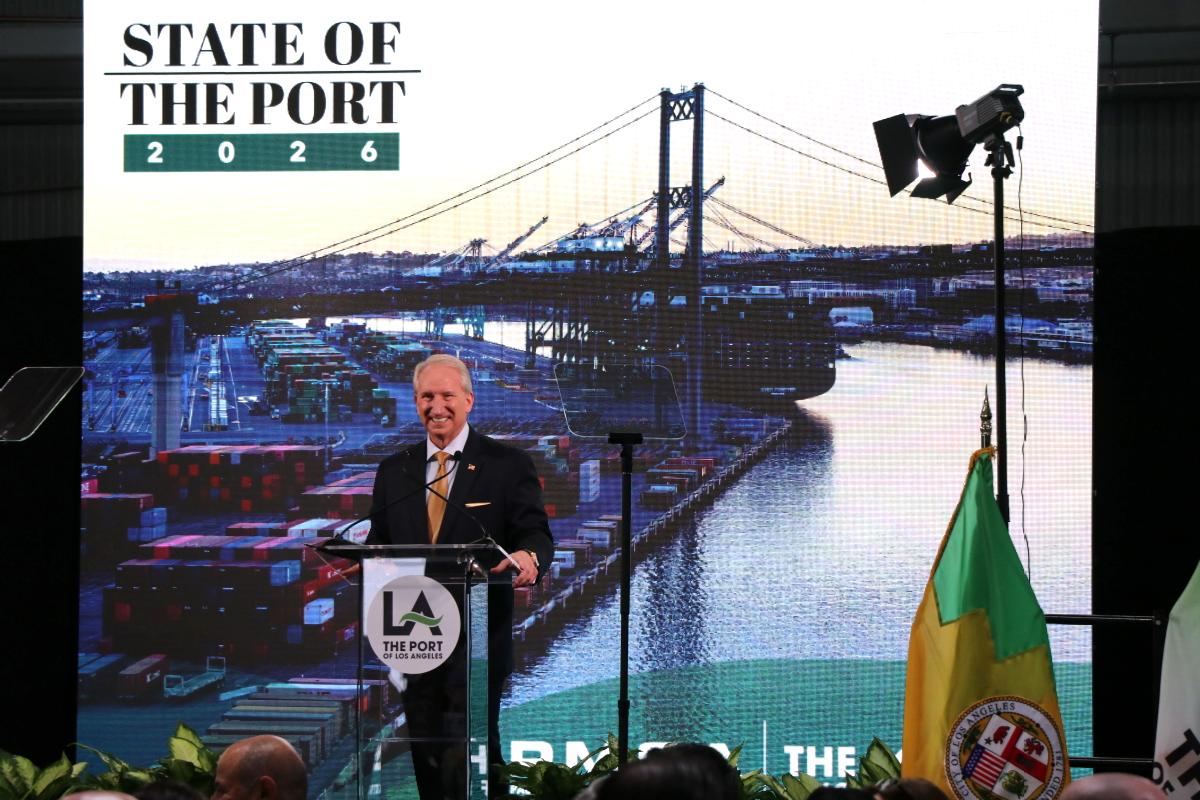
Port of Los Angeles Executive Director remains optimistic about outcome of ongoing labor negotiations, confident potential strike will not disrupt port's exceptional cargo performance
Gene Seroka, executive director of the Port of Los Angeles, said the dispute between a local chapter of the International Longshore and Warehouse Union (ILWU) and the Pacific Maritime Association (PMA) can be worked out in ongoing negotiations and won’t interrupt port operations.
His comments come as the Port of Los Angeles set its fifth consecutive monthly record for container traffic in October, moving 1.027 million TEU. Meanwhile, talks between the labor union and maritime employers are underway following the expiration of their latest collective bargaining agreement. The two sides agreed last week to continue negotiations and extend the existing contract until 20 November.
At the port’s monthly media briefing on November 12, Seroka said the threat of a work stoppage had not affected operations to date. He also said he was in regular contact with both sides in the negotiations and hoped for a successful outcome if they were given enough time to reach an agreement.
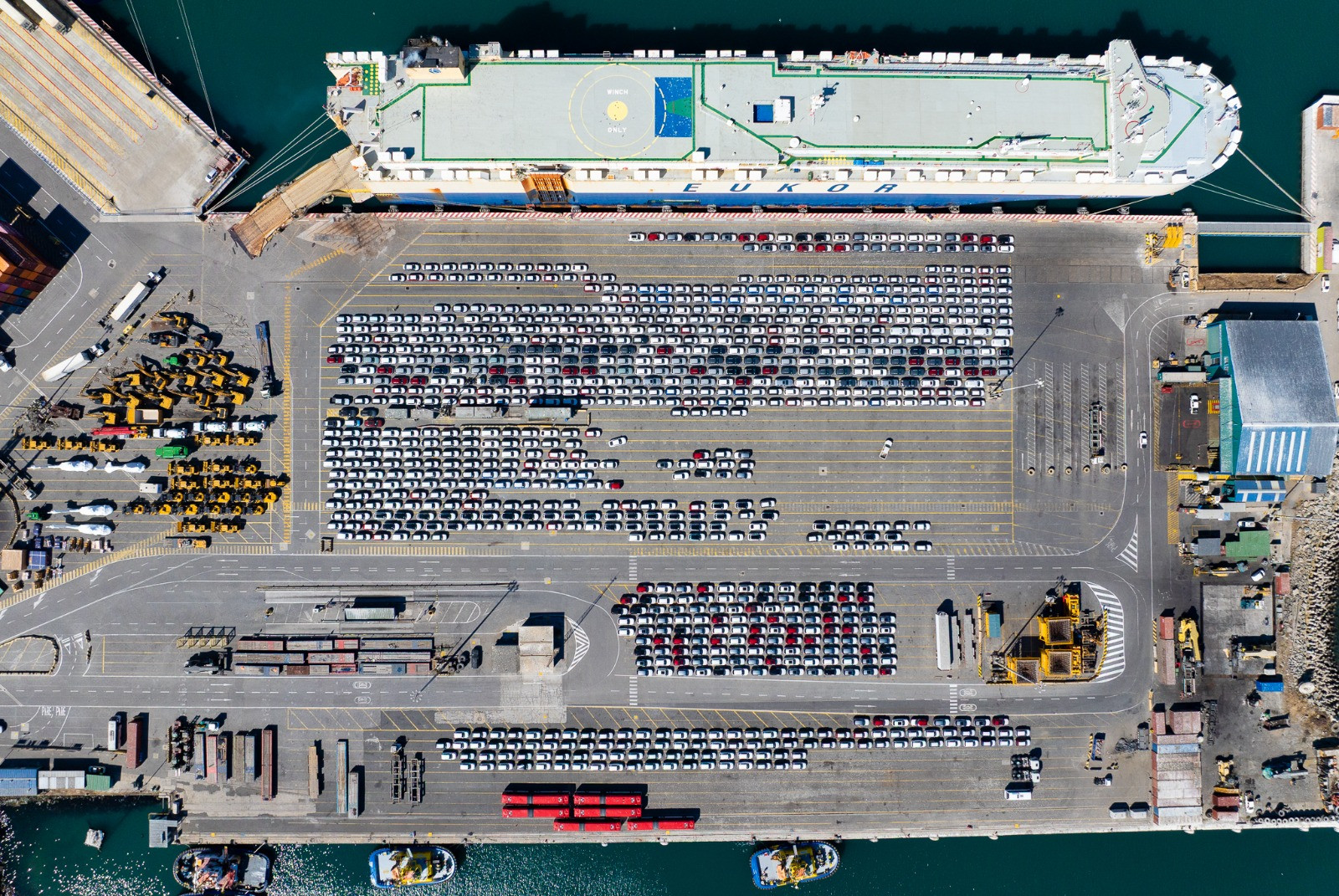
The port executive highlighted the strength of current shipping activity, saying 75 vessels were on approach to the gateway. This, combined with five consecutive months of record cargo volumes, signals the high level of activity across the port and the significance of ensuring uninterrupted operations.
A Port of Los Angeles spokesman declined to answer Seatrade Maritime News’ questions about any potential contingency plans should talks collapse. It would be premature to comment on possible procedures related to the strike while talks between the parties are ongoing," the port official said.
The stakes are high as the port has been doing strongly through the year. By the end of October the gateway had handled 9.1 million TEU, some 5% up on the same period in 2025.
Seroka also expects cargo activity to stay strong in the months ahead. He said he was told by shipping companies and exporters during recent meetings in Asia that factories across the region were operating at full tilt, evidence that manufacturing output and export activity remain particularly robust.
There are a number of developments in international trade that further help the outlook. "The temporary suspension of some US-China tariffs has relieved the pressure a bit for the shipping industry," Seroka said. He singled out the latest extension, which delays fees on China-based vessels until Jan. 10.
Also, changes in global shipping lanes are affecting cargo traffic to the U.S. West Coast. Importers are increasingly using Los Angeles to ship goods, in part because of ongoing disruptions at the Panama and Suez canals.
Seroka also noted that despite ongoing inflationary pressures, strong consumer demand in the United States is still supporting import volumes.
The Port of Los Angeles is preparing for another busy stretch, with strong cargo flows, high manufacturing activity in Asia and international trade routes shifting. For Seroka, the smooth running of operations during labor negotiations is essential to preserving the gateway’s record-breaking performance.
END OF REPORT