Air Nov 24, 2026
Lufthansa Cargo strengthens control over Frankfurt operations with second ground handling acquisition
The planned takeover of Fiege Air Cargo Logistics’ Frankfurt activities follows the recent acquisition of LUG and supports the carrier’s ambition to rank among the world’s top three air cargo operators by 2030.
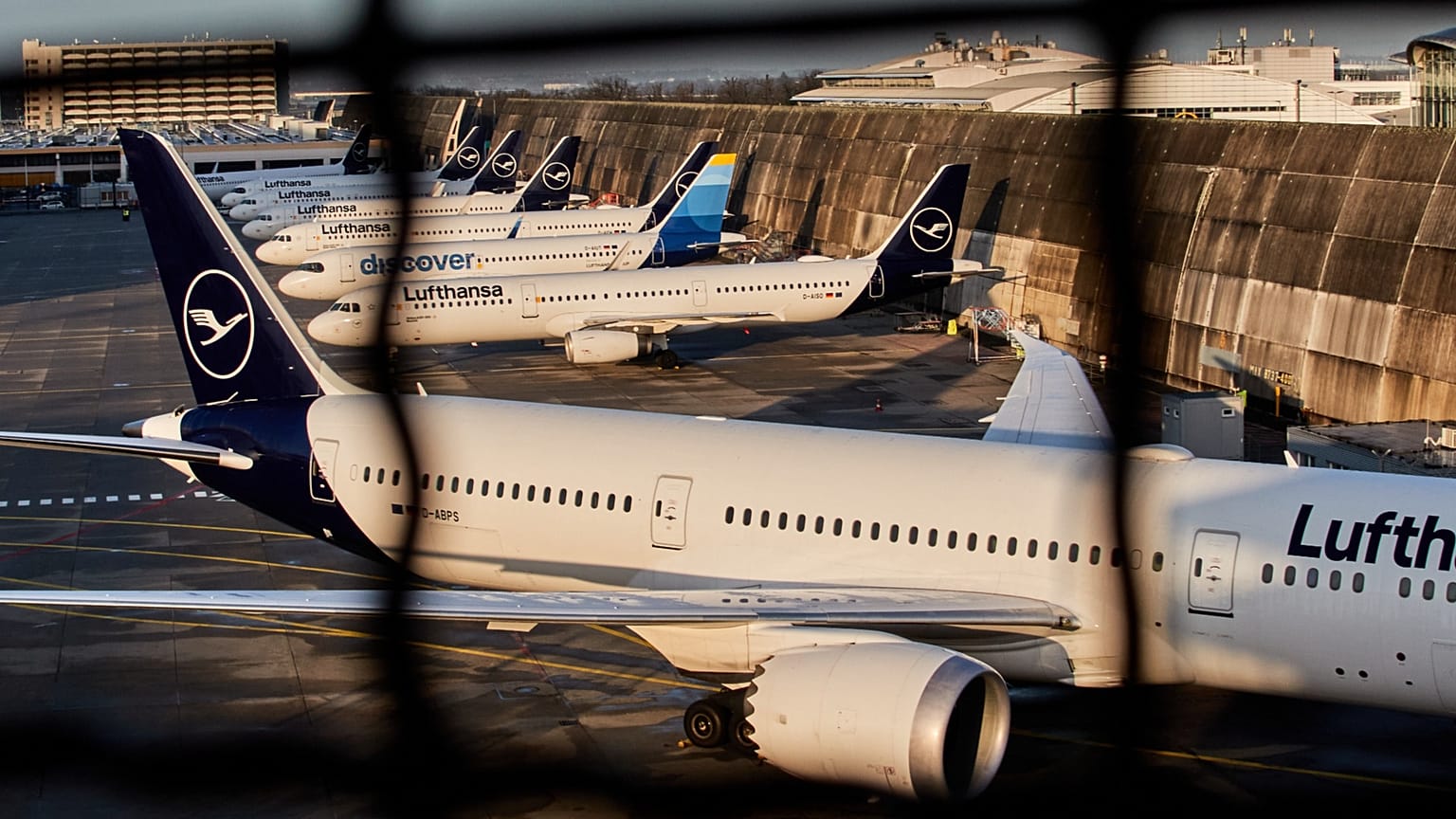
Lufthansa Cargo is taking another step towards greater control of its ground handling operations at Frankfurt Airport. The cargo division of Lufthansa Group announced on Monday that it has reached an agreement to acquire the Frankfurt operations of Fiege Air Cargo Logistics GmbH.
The transaction comes just three weeks after the completion of its acquisition of another German cargo handling company at the same airport, reinforcing Lufthansa Cargo’s strategy of bringing more of its logistics activities under direct management.
The move forms part of a broader effort to strengthen vertical integration across its air cargo network. By reducing reliance on external service providers and limiting the number of transfers between different operators, the company aims to improve shipment reliability, operational efficiency and service quality. Greater control over the movement of cargo between trucks and aircraft could also provide a competitive advantage over airlines that depend more heavily on independent airport handling companies.
Fiege Air Cargo Logistics, which also operates at Cologne/Bonn Airport in Germany and Zurich Airport in Switzerland, will continue supporting Lufthansa Cargo through recruitment, training and the provision of specialised warehouse personnel. The company is part of the Fiege Logistik Stiftung & Co. KG logistics group and has been responsible for physical cargo handling for Lufthansa at Frankfurt since 2020.
The financial terms of the agreement have not been disclosed. The transaction remains subject to the usual regulatory approvals.
Greater operational control to support technological development
For Lufthansa Cargo, the acquisition is not simply about increasing ground handling capacity. It is also intended to improve the way its infrastructure is managed and operated.
Frank Bauer, Chief Operating Officer of Lufthansa Cargo, said Frankfurt remains the most important hub in the company's network. He highlighted the importance of combining investments in infrastructure and warehouse systems with greater direct responsibility for handling activities.
According to Bauer, bringing these operations under the company's direct management will make it easier to introduce new technologies and accelerate warehouse automation through leaner organisational structures. The objective is to improve both service quality and operational efficiency while maintaining a long-term working relationship with Fiege under a new cooperation framework.
Lufthansa Cargo currently ranks 14th worldwide in terms of cargo traffic volume, according to the International Air Transport Association (IATA).
Its freighter fleet comprises 12 Boeing 777 aircraft. The company also markets capacity aboard six additional Boeing 777 freighters operated by AeroLogic, its joint venture with DHL Express. This gives Lufthansa Cargo commercial access to a total of 18 widebody freighters.
Beyond its dedicated freighter operations, the carrier also manages available belly cargo capacity across several passenger airlines within its wider network, including Lufthansa Airlines, Austrian Airlines, Brussels Airlines, Discover Airlines and SunExpress.
A series of acquisitions and infrastructure investments
The agreement with Fiege follows the November 2 completion of Lufthansa Cargo's acquisition of LUG air cargo handling GmbH from the Dettmer Group.
That transaction was designed to expand warehouse capacity in Germany, improve operational flexibility and give Lufthansa Cargo more direct oversight of shipments throughout their journey.
LUG will continue operating under its own brand within Lufthansa Cargo and will maintain its services for existing customers, in addition to handling Lufthansa Cargo shipments.
Its additional ground handling capacity at Frankfurt International Airport complements the carrier's existing facilities and its major infrastructure programme: a $682 million cargo terminal expansion and modernisation project scheduled for completion in 2030.
Following the acquisition, Lufthansa Cargo appointed experienced company executive Uwe Glunz and LUG Managing Director Patrik Tschirch as the company's joint chief executive officers.
The group's restructuring efforts also extend beyond Frankfurt. Earlier this year, Lufthansa Cargo brought together heyworld, which specialises in expedited cross-border e-commerce shipments, and CB Customs Broker under a newly established company, GlobeCross GmbH.
These developments reflect a broader strategy focused on expanding internal capabilities, increasing handling capacity and reducing dependence on external operators across key logistics activities.
2030 ambition: back to the world’s top three
The acquisitions fit well with Lufthansa Cargo’s long-term goal of becoming one of the world’s three leading air cargo providers by 2030.
The company is investing in more capacity, improved productivity and increased automation as well as continuing to develop its core transportation business. The aim is to create an operating structure that can support global customers and the increasing complexity of global supply chains.
Strong financial momentum indicated by third quarter results
For further information on Lufthansa Cargo’s expansion strategy, please refer to its latest financial performance.
The company's operating profit surged threefold year over year to €162 million (about $177 million) in the third quarter. Core transportation revenue grew 28%, aided by additional business gained from Middle Eastern carriers heavily impacted by the Iran conflict.
Yields were up 22% because of less capacity across the air cargo industry and higher jet fuel prices.
Demand remained especially robust in the Asia-Pacific region, while the Americas continued to experience positive business momentum.
Lufthansa Cargo’s adjusted operating margin was 15.6 percent compared to 6 percent in the prior-year period.
Stronger financial results, successive acquisitions and major infrastructure investments are turning Lufthansa Cargo's operating model upside down. In the process Frankfurt becomes a more integrated and efficient cargo hub as the company expands its warehouse capabilities and gains more control over ground handling, as it pursues its global growth ambitions.
END OF REPORT