Maritime Nov 5, 2026
MARAD moves to simplify US deepwater port licensing and environmental reviews
A proposed regulatory overhaul would place MARAD in charge of application management and environmental assessments, while the US Coast Guard retains responsibility for maritime safety and technical oversight. The reform is designed to reduce administrative costs, accelerate approvals and support major offshore energy investments.
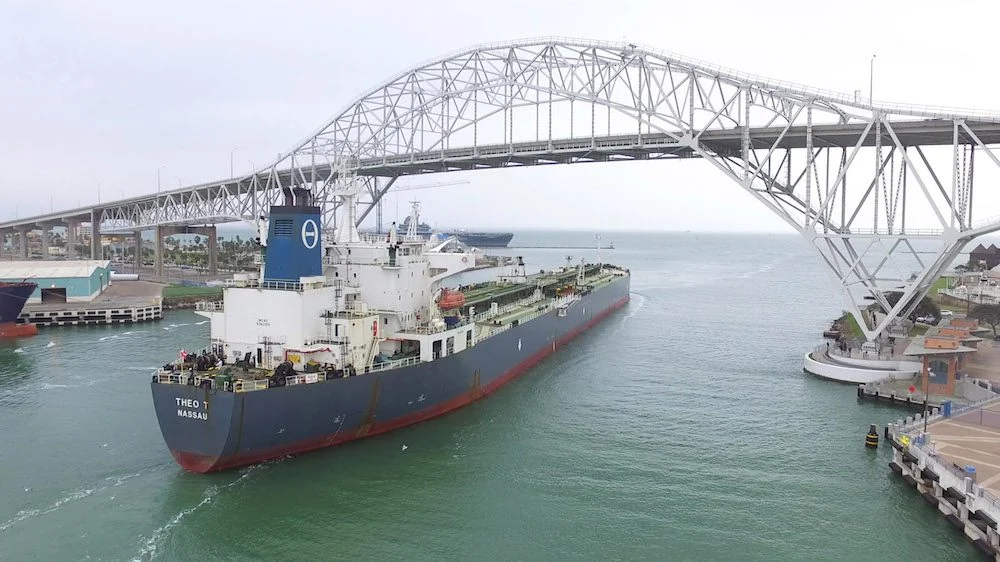
The U.S. Maritime Administration (MARAD) is preparing to revamp the regulatory system for deepwater port licenses to slash the administrative red tape that has long frustrated offshore energy projects. The agency is expected to issue a proposed rule Thursday laying out a new split of responsibilities for licensing procedures and environmental reviews.
The MARAD and the US Coast Guard (USCG) have used a common framework for almost 30 years to review applications for offshore oil facilities and liquefied natural gas (LNG) export terminals. The proposed changes would change this arrangement in its very structure.
Under the new system, MARAD will serve as the lead federal agency for managing applications and conducting environmental reviews. Meanwhile, the USCG would manage navigational safety and port design, construction, equipment, and operational requirements.
The proposal has been at the White House since September. In a preview of the Notice of Proposed Rulemaking (NPRM), both agencies state that they believe the consolidation and reallocation of their responsibilities will make the application process clearer and more efficient, and ultimately will facilitate licensing decisions.
Offshore energy projects could benefit from faster approvals
The regulatory changes come as developers are preparing to invest billions of dollars in offshore energy infrastructure. Floating liquefied natural gas (FLNG) facilities and crude oil export terminals are becoming more reliant on deepwater mooring installations designed to handle Very Large Crude Carriers (VLCCs) and large gas carriers.
The offshore facilities provide an alternative to congested onshore terminals, where water depth restrictions can limit access for the largest ships.
MARAD has already shown it can accelerate project oversight by reviewing and approving the $8.2 billion ST LNG deepwater port project. The agency now plans to cement its lean approach in regulation on a permanent basis.
The proposed framework makes several practical changes for developers seeking authorization to build and operate deepwater ports in the United States.
Less regulation, more freedom for developers
One of the main measures is the administrative paperwork required when submitting an application. Under the proposed rule, the extensive multi-agency filing requirements would be replaced with a simplified process requiring only one printed copy and one electronic submission.
Technical survey information would also be treated more flexibly. Developers could use existing hydrographic and engineering geological survey data from the previous five years, rather than automatically ordering new offshore surveys. This change can save unnecessary costs and reduce the time spent for preparing project applications.
The proposal also seeks to bring more predictability to licensing schedules. Extensions to review periods driven by the agency would be eliminated, with only suspensions of the timeline allowed when requested by applicants seeking additional time to respond to requests for supplementary information.
Application fees remain the same
The administrative simplification is slated to happen, but the baseline application fee will be $350,000 and it will not be refundable.
But developers are expected to benefit from reduced administrative requirements and the potential to reuse existing survey data rather than paying for duplicate offshore investigations, which will lower overall project preparation costs.
The proposed rule also incorporates recent court decisions regarding environmental assessments. Under this approach, environmental reviews would focus on the direct impacts of the proposed projects and would not go beyond those effects.
Industry invited to comment on reform proposal
MARAD has initiated a 60-day consultation period during which industry stakeholders are able to review the proposed changes and provide comments.
Feedback collected during this period will help inform the regulatory process as the United States looks to streamline deepwater port authorisations and bring more administrative clarity to companies investing in offshore oil and gas infrastructure.
END OF REPORT