



The maritime sector closed the week ended 27 September with several developments drawing attention across container shipping, ship registries and the tanker market.
One of the most significant incidents involved the container ship MSC Hermes III, whose 25 crew members abandoned the vessel in the South China Sea after the ship sent a distress call on the morning of 22 September.
Three other MSC vessels responded to the emergency. The MSC Ruby ultimately rescued all 25 seafarers from a lifeboat.
The circumstances that led the crew to abandon the vessel remain unclear. At the time of the incident, the ship was located around 300 km off the coast of Vietnam. The stricken vessel has since come under tow and is now being taken to Vung Tau.
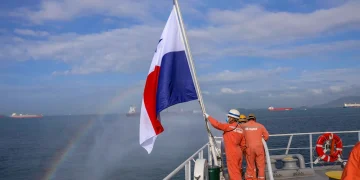
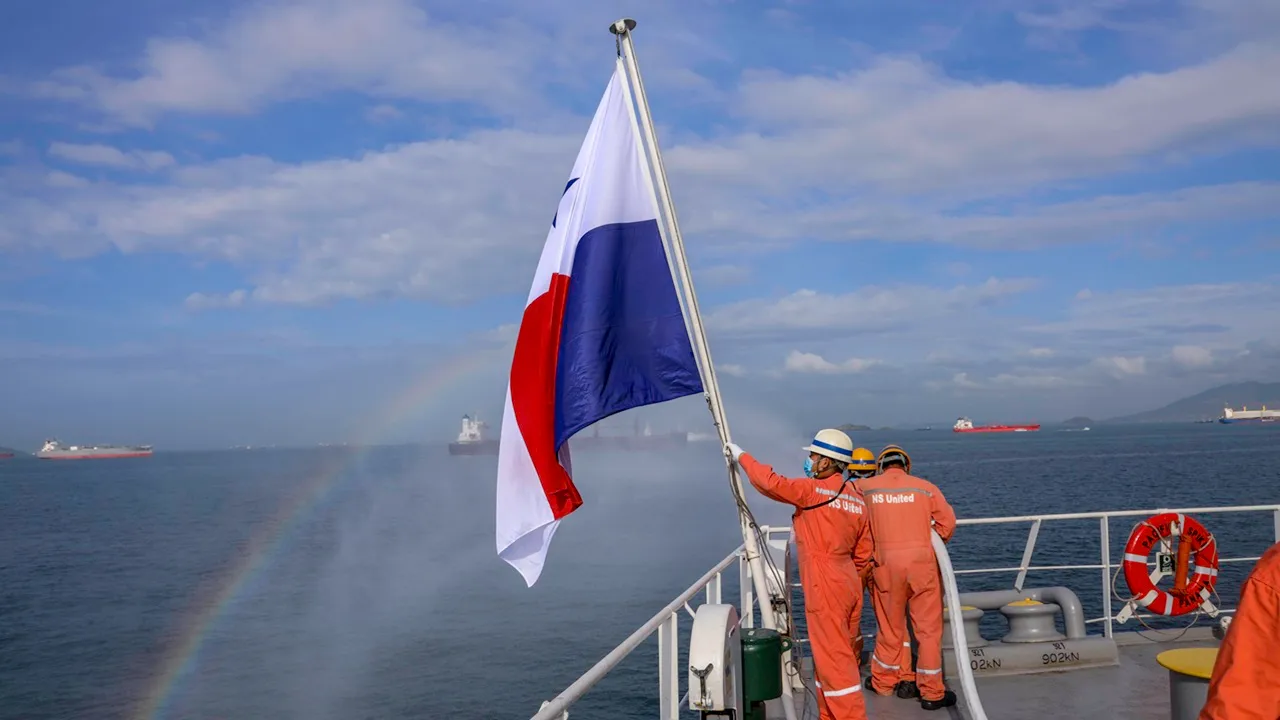
Another major development this week concerned the Panama Ship Registry, which has lost its position as the world’s largest flag state and has now fallen to third place in the Clarkson Research World Fleet Register.
The Panama flag has lost tonnage as vessels have moved to comply with US sanctions, while the registry has also faced problems involving Chinese detentions amid a broader geopolitical dispute over port concessions.
The change in Panama’s standing has attracted particular attention inside the country, where the shipping industry plays a major role in the national economy and maritime sector.
Meanwhile, exceptionally strong tanker freight rates have continued to encourage owners to place new orders, particularly in the very large crude carrier (VLCC) segment.
The VLCC orderbook has expanded by 358% over the past 12 months and now represents 38% of the existing fleet, highlighting the scale of the current newbuilding surge.
However, Veson Nautical does not expect the orderbook to increase significantly further. A major constraint is the lack of available shipyard capacity, with yards already effectively filled through 2030.
Even when owners manage to secure an earlier delivery slot, shortages of critical equipment, including piping and engines, are creating additional obstacles.
The combination of full shipyards and constrained equipment supply could therefore place a ceiling on further VLCC ordering, despite tanker rates remaining at phenomenal levels.