Maritime Nov 25, 2026
Monfalcone Port Eyes Major Expansion as BYD Explores New Vehicle Logistics Hub
BYD is considering the Italian port for a larger automotive hub as vehicle traffic and exports increase. The port authority has committed €8.5 million to infrastructure improvements but is seeking EU funding for a wider €160 million redevelopment, alongside upgrades to its rail network.
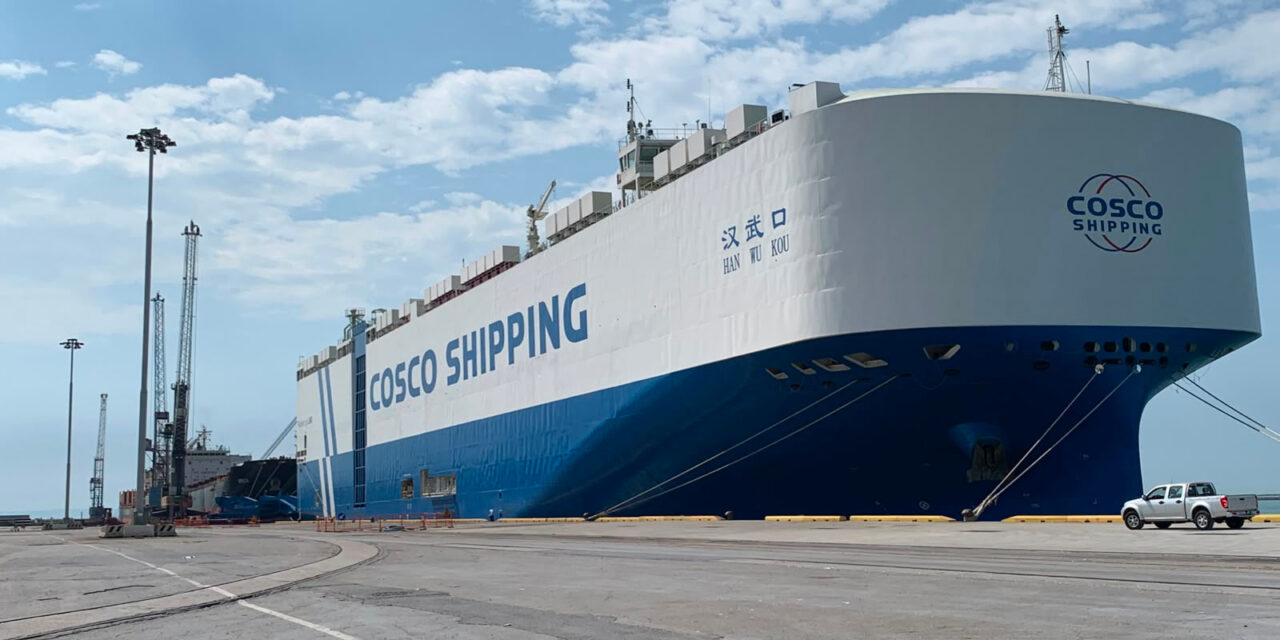
The Port of Monfalcone could be preparing for a significant expansion of its automotive activities, with Chinese carmaker BYD exploring the possibility of establishing a new vehicle logistics hub at the Italian port. The company's vehicle volumes have doubled, creating demand for additional storage and handling capacity that the port currently struggles to provide.
The development comes as the Eastern Adriatic Sea Port Authority moves forward with an investment programme allocating €8.5 million to infrastructure improvements at Monfalcone. However, the longer-term ambition is considerably greater, with European funding being sought to finance a comprehensive redevelopment of the port and its railway connections.
"We need at least €32 million for the railway infrastructure and €160 million to completely redevelop the port. We are targeting EU funding and are waiting for approval of the European budget, which is expected shortly, to understand what resources will be available," said Natale Ditel, Secretary General of the Port Authority.
Ditel made the announcement during a meeting organised by Propeller under the title Port of Monfalcone: Results and New Challenges. The discussion also brought together GianCarlo Russo, Chief Executive Officer of FHP Terminal Monfalcone; Mitter Mandolini, President of Impresa Alto Adriatico in Monfalcone; and Carlo Butti, representing the freight forwarders' association.
BYD considers Monfalcone for European vehicle expansion
One of the most recent developments was also highlighted at the meeting: a delegation of BYD, led by the worldwide vice-president of the Chinese automotive group and accompanied by its logistics manager, recently paid a visit to Portorosega.
The visit was based on the port’s automotive handling capabilities, supported by Cetal’s specialism in vehicle traffic.
BYD is trying to speed up deliveries to Europe before the end of the year, and a lot of vehicles are expected to arrive, especially those destined for the rental market. The prospect of higher EU tariffs on Chinese vehicles is also making it more urgent to get more cars into the European market.
With its auto volumes growing fast, BYD is looking for more logistics and storage facilities. Monfalcone could be an opportunity but the space available on the spot is not yet sufficient for the volumes in question.
“The port must not lose the chance of BYD’s possible participation,” said Ditel. He said cooperation between the different stakeholders was key and coordinated planning would be essential to make the project possible.
Port management and infrastructure are still challenges
Besides the automotive expansion possibility, the meeting addressed a number of long-standing problems affecting the development of Portorosega.
One of the main requests coming from the port operators and local institutions is the appointment of a specific manager for the port of Monfalcone.
Ditel saw the demand, adding that it is the Secretary General who is given the role of port director under the legislation. But he did confirm he had already found somebody to be given full delegated authority to run the Monfalcone facility.
Dredging continues to be another major unresolved issue, having been under discussion for decades. The problem remains unresolved and work is still hampered by unexploded ordnance.
A lot of the rail infrastructure needs a lot of attention as well. Ditel added that the Port Authority incurs an annual cost of €600,000 for railroad shunting management, a cost borne by Adriafer. He stressed the need to strengthen the railroad system and develop the capacity to handle freight trains of 740 meters.
The Authority is also looking at raising port tariffs and looking at the workforce in Monfalcone where the average worker is over 50.
Forestry products and exports rise, steel imports decline
GianCarlo Russo also provided a summary of the port’s traffic performance, with mixed results for a number of cargo segments.
Imports of steel products, especially slabs and billets, are down 13% to 15% this year. The drop was partly because of the EU carbon tax, Russo said.
Forestry products have been better performers with imports up 15 to 20 percent. The sector handled 500,000 tons through the port.
Exports also had positive results, growing 16% to 17% versus 2025. Automotive traffic remains very dynamic, with 4.5 million tons reported.
The environment in which Monfalcone worked was characterized by cooperation and cohesion between the various actors, despite the difficulties, Russo said.
Instead of focusing on the long-overdue dredging issue, the chief executive of the FHP Terminal listed several immediate operational priorities for the Port Authority. These include a maintenance program for the seabed areas below the quays, the installation of fenders at the lower berths and the provision of an adequate tugboat service.
He also called for planning to accommodate a potential return of cruise traffic, provided the arrangements do not disrupt the port’s current commercial operations.
There is an increase in employment and demand for labor
The growing port activities are also directly affecting employment.
The positive trend of Impresa Portuale and the activities related to Article 17 that governs the provision of port labor services was confirmed by Mitter Mandolini.
Portorosega, he noted, is one of the strongest ports in Italy in terms of manpower and currently receives about 150 daily requests for personnel.
He stressed the importance of cooperation between companies, especially with FHP which represents 80% of the port’s traffic. Under the system of Article 17, over 100 workers are supplied daily, with FHP being the main source of this demand.
The workforce has grown considerably over the years. In 2001 Impresa Portuale had 28 employees. Today there are 108, all with permanent contracts. They also hire additional staff through a temporary employment agency.
“A lot of the workers trained and assessed by the port company on the quayside are then taken on directly by terminal operators,” said Mandolini.
But he reiterated the need for the Port Authority to appoint a dedicated person responsible for Monfalcone, saying local operators currently feel abandoned.
He also stressed that the port is already working at full capacity and needs more space, more working shifts and a switch to 24-hour operations. However, this will mean a broader reorganization of activities and a higher degree of operational stability.
Freight forwarders want longer quays and better port services
The meeting concluded with Carlo Butti, on behalf of the freight forwarders, emphasizing the necessity to expand the quay infrastructure and get the port ready for further traffic increase.
Several operational constraints are still unaddressed. The port’s berth depth is insufficient for larger vessels and there is room for improvement in the services offered to ship’s crews.
Specifically, seafarers have difficulties departing from the port during public holidays, as arrangements and services are not available.
The discussions illustrate the scale of the challenge facing Monfalcone in terms of dealing with increasing cargo volumes, attracting new automotive business, improving infrastructure and overcoming long-standing operational and organizational weaknesses.
In the future competitiveness of Monfalcone, the possibility to increase the available space, modernize the rail connections and coordinate the investment decisions could be decisive as BYD is potentially considering the port for a bigger role in its European vehicle distribution network.
END OF REPORT